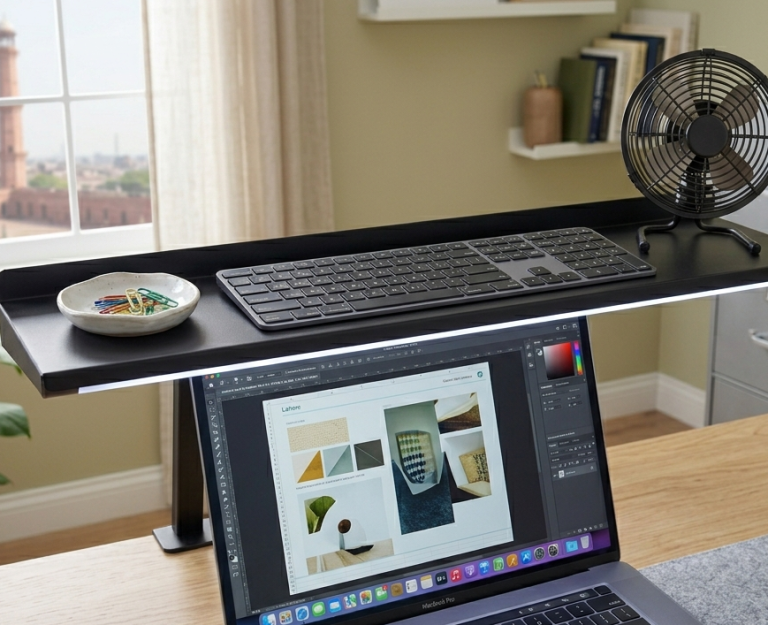
17 Organizing Mistakes That Make Your House Look Messy
You’ve spent hours organizing, bought all the matching bins, and even labeled everything. So why does your home still look messy? The truth is, many well-intentioned organizing strategies actually backfire, creating visual chaos instead of calm. The problem isn’t a lack of effort it’s often the approach. From overcrowded shelves to using the wrong containers, these common mistakes can make even a tidy home feel cluttered and overwhelming. The good news? Once you identify these pitfalls, they’re surprisingly easy to fix. In this article, we’ll uncover 17 organizing mistakes that might be sabotaging your efforts and, more importantly, show you exactly how to correct them. Get ready to transform your home from chaotic to serene.
1: Overcrowding Your Shelves

The Mistake: You’ve crammed every available inch of shelf space with books, bins, and decor. Instead of looking organized, your shelves look like they’re about to burst.
The Fix: Embrace the power of white space. Leave about 20-30% of your shelf space empty . This visual breathing room makes the remaining items feel curated and intentional. If you have too many items to display, rotate them seasonally rather than trying to display everything at once.
Tips
- Edit your collection ruthlessly keep only what you love or use
- Arrange items in groups of three for visual appeal
- Use taller items at the back and shorter ones in front
2: Using Too Many Mismatched Containers

The Mistake: Your shelves are filled with a random assortment of baskets, bins, and boxes in different colors, materials, and patterns. Instead of looking organized, they create visual chaos.
The Fix: Choose containers that are cohesive in color, material, and style . Stick to a uniform palette like all white bins, all woven baskets, or all clear containers. This creates a sense of order and makes the room feel more put-together. It’s not about spending more; it’s about choosing thoughtfully.
Tips
- Stick to one or two container types throughout a room
- Choose neutral colors that blend with your decor
- Remove labels from mismatched containers
3: Not Labeling Your Bins

Not Labeling Your Bins
The Mistake: You’ve spent time organizing items into bins, but now you can’t remember what’s in them. You end up opening three bins before you find what you need, and you forget to put things back.
The Fix: Label everything . Labels create a system that’s easy to maintain because you—and everyone in your household know exactly where things belong. It removes the guesswork and makes it much more likely that items will be returned to their designated spots.
Tips
- Use a label maker for a clean, professional look
- Use picture labels for kids or non-readers
- Label both the front and side of bins for easy identification
4: Storing Things Too Deeply

The Mistake: Your pantry or closet shelves are so deep that items get pushed to the back and forgotten. You buy duplicates of things you already own because you can’t see what’s behind the first row.
The Fix: Use shelf risers, turntables (Lazy Susans), or pull-out drawers to make deep shelves more accessible . Store items in a single layer so you can see everything at a glance. If you have deep shelves, designate the front for everyday items and the back for things you rarely use.
Tips
- Use a Lazy Susan for corner or deep cabinets
- Store items in clear bins that slide in and out
- Place taller items at the back and shorter ones in front
5: Hiding Everything
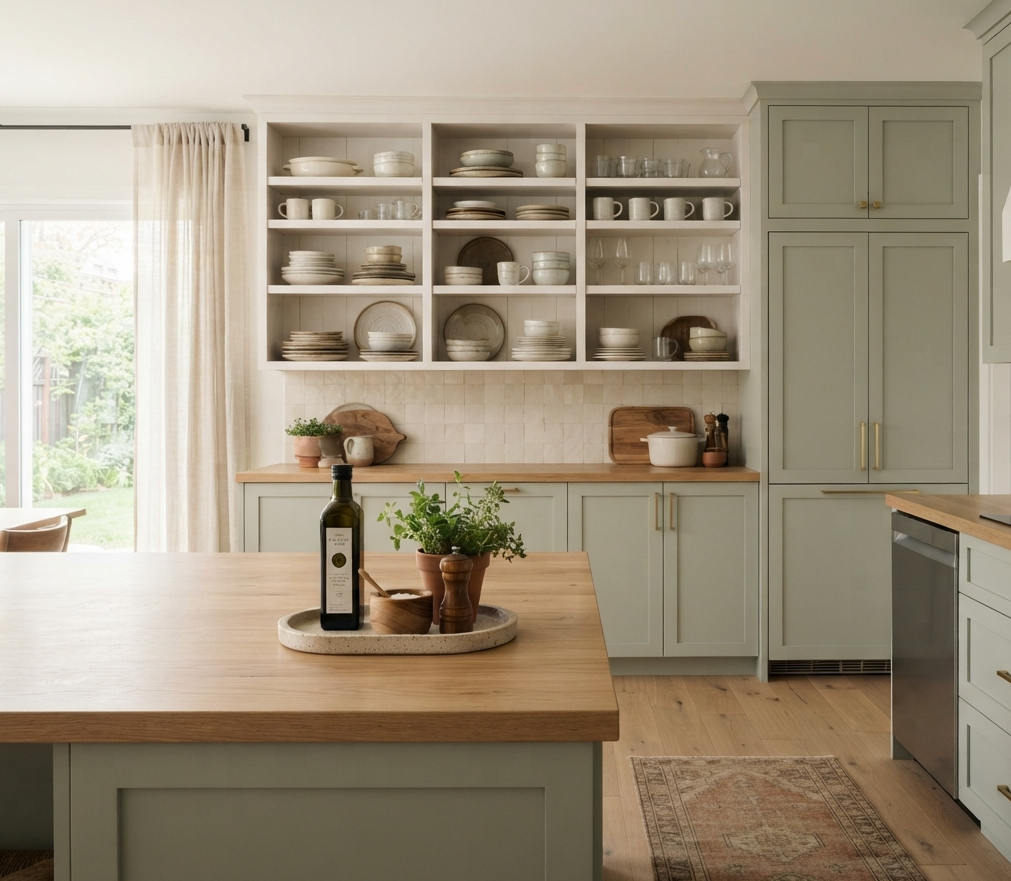
The Mistake: You’ve hidden everything behind closed doors, leaving surfaces bare. The problem is, you can’t find anything, so you end up buying duplicates and your drawers become black holes.
The Fix: Strike a balance between open and closed storage . Keep your daily essentials visible and accessible on open shelves or in clear containers. Use closed storage for items you use less frequently or for those that are visually cluttered (like cables or paperwork). This way, you have both beauty and functionality.
Tips
- Display your most beautiful items on open shelves
- Use closed storage for practical but ugly items
- Create a “landing strip” for daily essentials
6: Not Having a “Home” for Everything
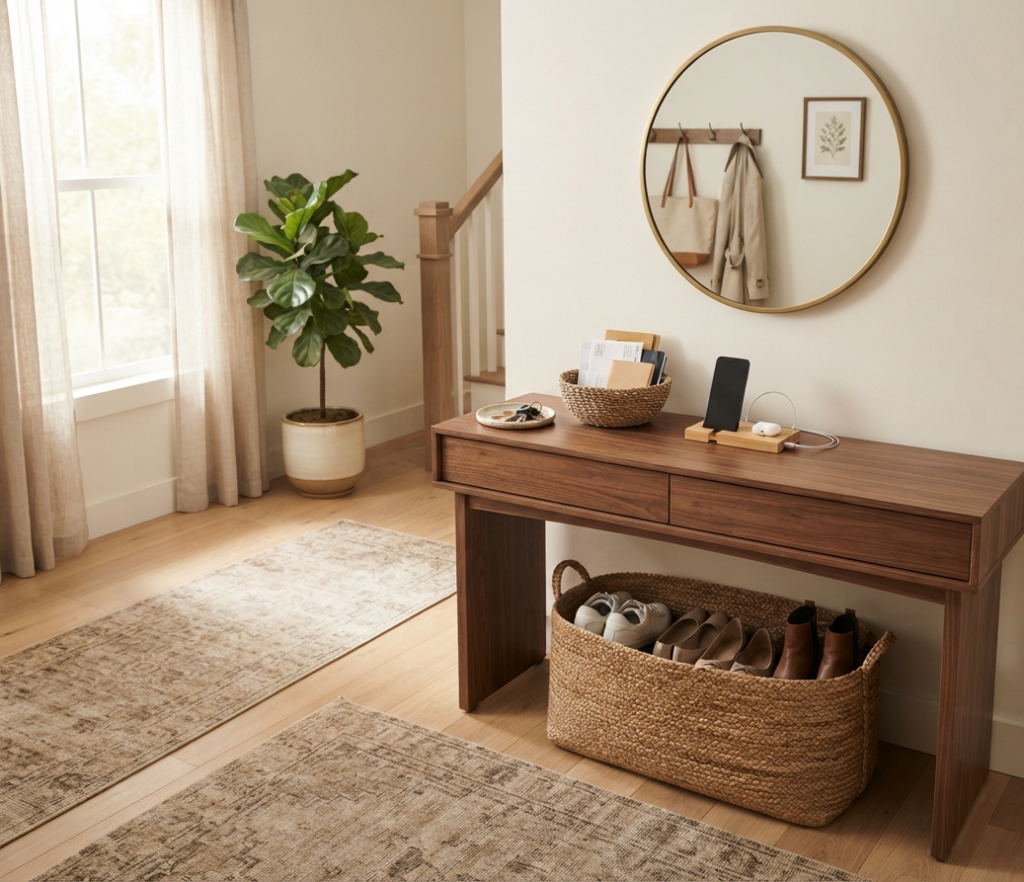
The Mistake: Items float around your house because they don’t have a designated spot. Keys, mail, chargers, and random items end up on every surface because there’s no defined place for them.
The Fix: Give every item in your home a “home” or a designated spot to live. This is the golden rule of organization. When an item has a home, it’s infinitely easier to put it away. It also helps you realize if you have too many items for your available space.
Tips
- Create designated zones for each activity (e.g., mail station, charging station)
- Use trays, bowls, or baskets to corral loose items
- Involve the whole family so everyone knows where things live
7: Keeping Things You Don’t Actually Like

The Mistake: You hold onto items out of guilt, obligation, or the “sunk cost” fallacy the idea that you’ve spent money on it, so you have to keep it, even if you don’t like or use it. This creates visual and mental clutter.
The Fix: Be ruthless about curating your belongings. Keep only what you truly love, need, or use regularly. If an item doesn’t bring you joy or serve a practical purpose, it’s time to let it go. This is the core of the KonMari method. Donate, sell, or recycle items that no longer serve you.
Tips
- Ask yourself: “Does this item bring me joy or serve a purpose?”
- Set a timer for 15 minutes and tackle one category
- Donate items in good condition so they can find a new home
8: Using the Wrong-Sized Containers
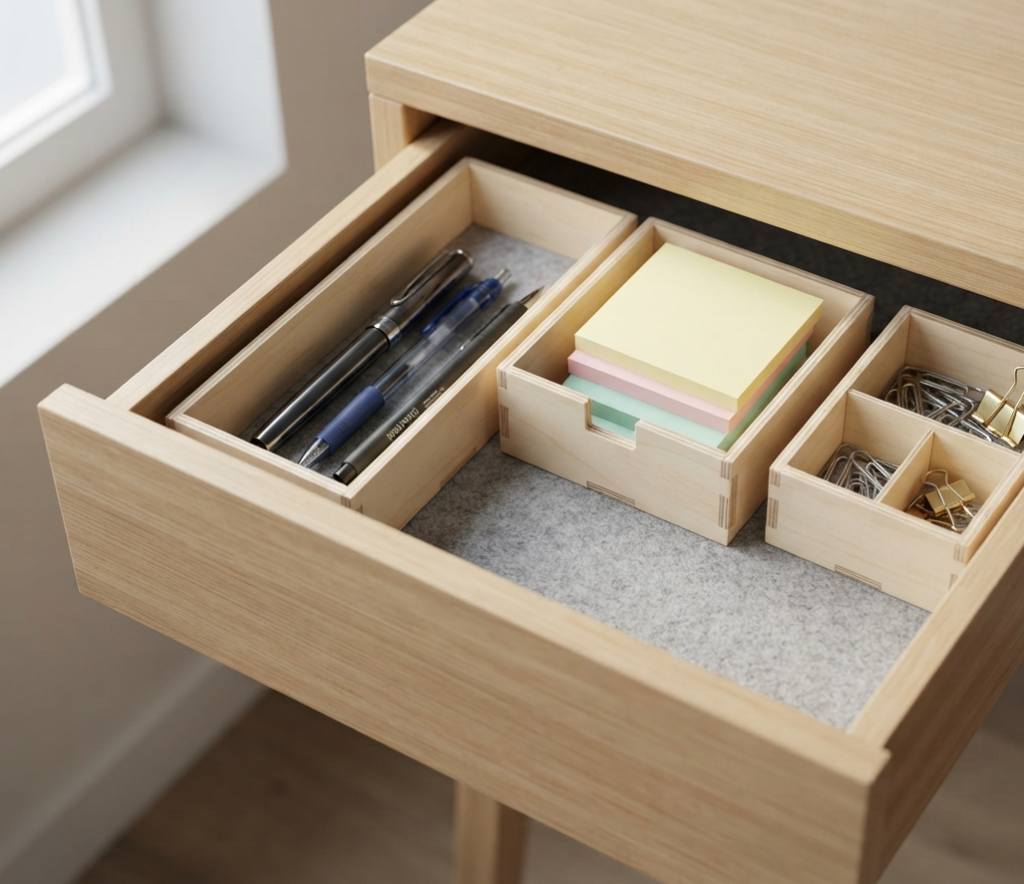
The Mistake: You’ve bought containers that are either too big (so items swim around and get lost) or too small (so things are crammed in and hard to access).
The Fix: Measure before you buy. The right size container will fit your items snugly, making them easier to find and return. It’ll also maximize your storage space without wasted areas. This is especially important for drawers, pantries, and closets.
Tips
- Measure shelves and drawers before purchasing containers
- Use adjustable dividers to create custom compartments
- Choose containers that fit the actual size of your items
9: Ignoring Vertical Space

The Mistake: You’ve focused all your organizing energy on countertops and floors, completely ignoring the vertical space available on your walls.
The Fix: Go vertical! Install shelves, hooks, pegboards, or magnetic strips on walls to free up valuable surfaces . A pegboard in the kitchen or a wall of hooks in the entryway can transform how you store everyday items. Vertical storage makes the room feel larger and more organized.
Tips
- Install floating shelves above desks or counters
- Use wall-mounted hooks for bags, coats, and umbrellas
- Try a pegboard for creative, customizable storage
10: Not Maintaining the System

The Mistake: You organize beautifully, but after a few weeks, it all falls apart because you don’t have a maintenance routine. You stop putting things back in their designated spots.
The Fix: Spend just 5-10 minutes each day tidying up. A daily reset is much easier than a massive overhaul every few months. Make it a habit to return items to their homes at the end of each day. A simple 10-minute tidy can prevent clutter from accumulating.
Tips
- Set a daily timer for a 10-minute “power tidy”
- Involve the whole family in a 5-minute cleanup before bed
- Keep a donation bag ready for items that no longer belong
11: Buying Organization Products First

The Mistake: You go to the store, buy a bunch of pretty bins and baskets, and then try to force your items into them without first knowing what you actually have.
The Fix: Organize first, then buy. Before you spend a dime on containers, you need to declutter and see what you’re actually keeping. This way, you buy the right containers for the items you have. You’ll save money and find the perfect solution for your specific needs.
Tips
- Declutter and sort your items first
- Measure your space and your items
- Buy products that match your actual storage needs
12: Organizing by Aesthetic Instead of Function
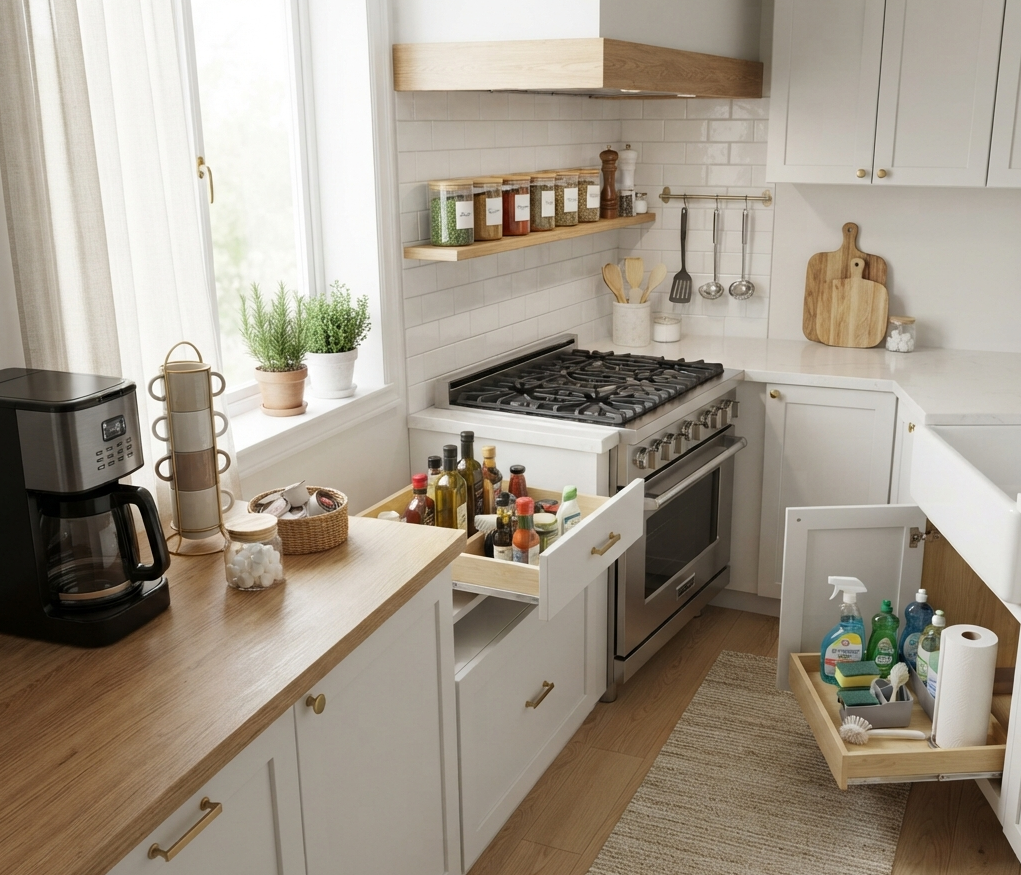
The Mistake: You organize according to a Pinterest-worthy aesthetic rather than how you actually use your space. You end up with an impractical system that looks good but is impossible to maintain.
The Fix: Form should follow function. Organize based on your daily routines and habits. Store items where you actually use them, and prioritize accessibility over appearance. A system that works for your life will feel effortless and stay organized longer.
Tips
- Observe your habits for a week before organizing
- Store items where you use them most
- Prioritize convenience over visual perfection
13: Ignoring Hidden Storage

The Mistake: You’ve completely overlooked hidden storage opportunities, like the back of doors or the space above cabinets.
The Fix: Look for hidden potential. Over-the-door organizers, under-bed storage, and even the space above the refrigerator can become valuable storage zones . These spots are especially useful for small spaces, making your home feel much more organized without any structural changes.
Tips
- Use the inside of pantry doors for spice racks
- Store out-of-season clothes in under-bed boxes
- Use a tension rod in cabinets to hang spray bottles
14: Keeping Too Many Duplicates

The Mistake: You have multiples of items you only need one of, taking up valuable space and causing unnecessary clutter.
The Fix: Donate or discard duplicates. The only duplicates you need are those you specifically use regularly (like an extra phone charger). Keep only what you truly use, and donate the rest to someone who can actually use them. This will free up significant space and make your existing items easier to find.
Tips
- Keep only the best version of a duplicate item
- Donate duplicates to a local charity
- Consider sharing items with friends or neighbors
15: Storing Items Without a “One In, One Out” Rule

The Mistake: You bring new items into your home without removing old ones, leading to a slow accumulation of clutter.
The Fix: Implement a strict “one in, one out” rule. When you buy something new, force yourself to donate, sell, or discard a similar item you already own. This rule ensures your collection stays a manageable size, and it makes you more mindful of your purchases.
Tips
- For every new clothing item, donate an old one
- For every new book, donate or sell an old one
- Apply the rule to all categories: tools, kitchenware, decor
16: Not Storing Items Near Their Use Point

The Mistake: You store items far from where you use them, making it harder to put things away and encouraging clutter.
The Fix: Store items as close to their point of use as possible. For example, store dishwashing detergent under the kitchen sink, not in a distant laundry room. Store cleaning supplies under the sink or in the room where you use them the most. This simple rule makes it much easier to return items to their homes.
Tips
- Store spices near the stove
- Keep cleaning supplies under the relevant sink
- Place work items near your desk
17: Being Too Sentimental

The Mistake: You hold onto items for sentimental reasons, even if they’re damaged, unusable, or visually cluttered.
The Fix: It’s okay to be sentimental, but you need to curate your keepsakes. Keep the items that truly matter, display them beautifully, and let go of the rest. Consider taking a photo of sentimental items you don’t need to physically keep. This frees up space while still preserving the memory.
Tips
- Select a small collection of your most meaningful items
- Display sentimental items proudly
- For the rest, take a photo and donate the physical item
Conclusion
Organizing your home doesn’t have to be a constant battle. By avoiding these 17 common mistakes, you can create a system that actually works for your life and keeps your home looking beautiful and serene. The key is to focus on functionality, choose the right tools for your needs, and maintain the system you’ve built. Remember: a truly organized home is about creating a space that supports your daily routines and brings you peace, not just about checking a box. So, which mistake will you tackle first?
FAQs
Why does my house still look messy even after I organize?
You might be making one of the common mistakes listed above, like overcrowding shelves, using mismatched containers, or not having a “home” for everything. Try tackling these specific issues one by one.
What’s the first step to fixing a messy house?
The very first step is to declutter. Get rid of items you don’t love, need, or use. You can’t organize clutter. Once you’ve decluttered, you can start building an organizing system.
How can I keep my home organized long-term?
Establish a daily 10-minute tidy routine, implement a “one in, one out” rule, and involve the whole family in maintaining the system. Consistency is more important than perfection.
Should I buy organizing products first?
No! Always declutter and sort your items first. This way, you know exactly what you have and what containers you actually need, saving you money and frustration.
How do I organize if I have a lot of sentimental items?
Keep the items that truly matter and display them proudly. For the rest, consider taking a photo to preserve the memory and donate the physical item to free up space.
19 Small Space Trends We Have Our Eyes On
Read 12 web pages
19 Small Space Trends We Have Our Eyes On
Meta Description: Discover 19 small space trends for 2026, from subtle storage and micro islands to color drenching and confidence zones. Maximize your compact home in style.
Introduction
Living small doesn’t mean living less. In fact, some of the most exciting design innovations are happening in compact spaces where every square inch counts. As urban living becomes increasingly dense and homeowners prioritize flexibility over excess, small space design has evolved from a compromise into a creative opportunity . The trends shaping 2026 are all about intention—making spaces work smarter, feel bigger, and express personality without overwhelming. From “subtle storage” that disguises function as furniture to daring “confidence zones” in powder rooms, these 19 trends prove that small spaces can be the most stylish and thoughtful rooms in the home. Whether you live in a micro-apartment, a cozy cottage, or simply want to maximize a tricky corner, these ideas will inspire you to think big about small spaces.
1: Subtle Storage—Storage That Doesn’t Look Like Storage
The biggest small-space trend of 2026 is “subtle storage”—pieces that quietly do double duty without screaming “organizer” . Instead of fold-away furniture that looks utilitarian, designers are integrating storage beautifully into custom built-ins, benches, and wall systems that blend display, workspace, and storage into one cohesive unit . Think hidden cabinets that look like paneling, seating with integrated drawers, and credenzas that transform into dining tables.
Tips
- Look for furniture that serves multiple purposes without looking bulky
- Consider built-in joinery that makes the most of awkward corners
- Choose pieces that are genuinely chic—today’s multifunctional furniture is stylish, not utilitarian
Image Prompt
A bright, sophisticated living room with a custom built-in wall system that seamlessly integrates storage, a desk, and display shelving. The cabinetry is painted a warm cream color with brass hardware, blending beautifully into the room. A stylish console table with hidden compartments sits nearby. Soft natural light highlights the elegant, multifunctional design. Wide-angle view, ultra realistic, 4K, high detail, 4:3 ratio.
2: Multifunctional Furniture That’s Actually Chic
Gone are the days of clunky sofa beds and bulky ottomans. Multifunctional furniture has undergone a full transformation, with chairs that convert to beds, coffee tables that raise to counter height, and credenzas that swivel open into dining tables . These pieces don’t look utilitarian—they’re genuinely stylish and make you feel like you’re not giving anything up .
Tips
- Invest in furniture that can adapt to different activities throughout the day
- Look for flexible pieces like nesting tables or martini tables that can be moved and reconfigured
- Think beyond the obvious—side tables that act as extra seating, benches that double as storage
Image Prompt
A modern, minimalist apartment featuring a chic coffee table that has been raised to counter height, serving as a dining table for two. The table is surrounded by stylish chairs that are also comfortable. A sleek sofa in the background is clearly a comfortable bed for guests. Soft, warm lighting creates an elegant, flexible atmosphere. Wide-angle view, ultra realistic, 4K, high detail, 4:3 ratio.
3: Ditching Stark White for Softer Neutrals
While white has long been the go-to for small spaces, 2026 is seeing a shift toward softer, warmer neutrals . Muted earthy tones—beige, taupe, sage green, and warm greys—create depth without visually chopping up a small room . These colors make spaces feel calm and inviting rather than clinical.
Tips
- Use soft neutrals on walls and larger surfaces to create a seamless, expansive feel
- Layer in warmer tones through textiles, furniture, and accessories
- Consider carrying the same color onto the ceiling for a cocooning effect
Image Prompt
A cozy, small bedroom painted in a soft, muted sage green with warm beige accents. The walls and ceiling are the same color, creating a seamless, cocooning feel. A neutral-toned bedspread and wooden furniture add warmth. Soft, natural light filters through sheer curtains. Calm, serene atmosphere, wide-angle view, ultra realistic, 4K, high detail, 4:3 ratio.
4: Color Drenching for a Cocoon Effect
Color drenching—using a single rich color on walls, trim, and ceilings—is a trend that creates an immersive, cozy feel in small spaces . Jewel tones like deep plum, dark chocolate, or rich navy are being used to create “cocooned” effects in pantries, powder rooms, and small home offices . It makes the space feel intentional and luxurious rather than cramped.
Tips
- Don’t forget the ceiling! Taking color all the way up changes the whole vibe
- Use richer colors in small rooms where you want a dramatic, enveloping feel
- Balance with warm lighting to prevent the space from feeling too dark
Image Prompt
A small, luxurious powder room completely drenched in a rich, deep plum color. The walls, trim, and ceiling are all the same shade, creating a dramatic, immersive effect. A vintage gold mirror and brass fixtures add warmth and elegance. Soft, warm lighting creates a jewel-box atmosphere. Close-up view, ultra realistic, 4K, high detail, 4:3 ratio.
5: Fine Scale Wallpaper and Pattern Drenching
Instead of fighting small proportions, designers are embracing them with fine-scale wallpapers and delicate prints . Narrow stripes, subtle geometrics, and tiny floral patterns add texture and depth without overwhelming a room. Some designers are even “pattern drenching”—covering walls, ceilings, and even furniture in the same wallpaper for a truly enveloping effect .
Tips
- Choose fine-scale prints that create depth without making the room feel smaller
- Use wallpaper in powder rooms, entryways, or small bedrooms for maximum impact
- Carry the pattern onto the ceiling for a gentle enveloping effect
Image Prompt
A charming, small powder room covered in a delicate, fine-scale wallpaper with a subtle botanical print. The pattern continues onto the ceiling, creating a cohesive, enveloping feel. A simple, elegant vanity and a brass mirror complete the look. Soft, warm lighting creates a romantic, intimate atmosphere. Close-up view, ultra realistic, 4K, high detail, 4:3 ratio.
6: Reflective Surfaces to Open Up the Space
Mirrors and glass are making a comeback in a big way . Reflective surfaces—mirrored backsplashes, glass panels, and strategically placed mirrors—bounce light around the room, making it feel twice as large . This trick works in dark corners, small dining areas, and any room that needs a light boost .
Tips
- Place a large mirror opposite a window to maximize natural light
- Use mirrored panels in a breakfast nook or dining area
- Consider mirrored cabinet fronts for a sleek, space-expanding effect
Image Prompt
A small, elegant dining nook with a custom banquette positioned beneath a large, mirrored panel on the wall. The mirror reflects the room’s light, making the space feel twice as large. A simple wooden table and chairs sit in front. Soft, warm lighting creates a bright, airy atmosphere. Wide-angle view, ultra realistic, 4K, high detail, 4:3 ratio.
7: “Micro Islands” in the Kitchen
Say goodbye to oversized kitchen islands. In 2026, “micro islands” are taking over—scaled-down work tables and slim consoles that provide extra counter space, seating, and storage without overwhelming the room . These compact pieces are perfect for tight kitchens where a traditional island doesn’t fit.
Tips
- Look for narrow butcher block carts or slim built-ins that are 18–22 inches wide
- Consider freestanding, movable pieces that are renter-friendly
- Prioritize open shelving and slim profiles that won’t visually crowd the room
Image Prompt
A bright, modern kitchen with a narrow wooden butcher block cart serving as a “micro island.” The cart is positioned in a small gap between the counter and the wall, providing extra prep space and a place to gather. A small stool is tucked underneath. Soft natural light highlights the functional, space-saving design. Wide-angle view, ultra realistic, 4K, high detail, 4:3 ratio.
8: Embracing Architectural Quirks
Instead of trying to hide awkward angles, sloping ceilings, or odd alcoves, designers are leaning into them . These quirks are being transformed into charming features—a pantry under the stairs, a reading nook in a window alcove, or a workspace in a narrow corridor . It’s about making the architecture work for you.
Tips
- Let original features like ceiling height, fireplaces, and windows guide your design
- Turn awkward spaces into functional features—a pantry, a study, a bar
- Use warm, cohesive colors to make irregular spaces feel intentional
Image Prompt
A cozy, cleverly designed home with the awkward space under the stairs transformed into a generous pantry. Glossy Zellige tiles line the walls, reflecting light from the adjoining kitchen. Open shelving holds jars and supplies. Soft, warm light creates a functional, inviting atmosphere. Wide-angle view, ultra realistic, 4K, high detail, 4:3 ratio.
9: Vertical Storage and Full-Height Cabinetry
When floor space is limited, go up. Full-height cabinetry and tall shelving are essential for small spaces, drawing the eye upward and making the room feel larger . These vertical solutions provide massive storage without eating into precious floor area .
Tips
- Install floor-to-ceiling cabinets in the kitchen or bedroom
- Use tall shelving units that double as room dividers
- Keep everyday items at eye level and store less-used items up high
Image Prompt
A bright, modern bedroom with floor-to-ceiling white cabinetry along one wall. The tall units provide ample storage without taking up much floor space, making the room feel larger. A small desk and chair sit beneath a window. Soft natural light creates a clean, spacious atmosphere. Wide-angle view, ultra realistic, 4K, high detail, 4:3 ratio.
10: Built-In Seating with Hidden Storage
Window seats, banquettes, and built-in benches with integrated drawers are a brilliant small-space solution . They provide comfortable seating while hiding away linens, toys, or seasonal items. In dining areas, banquette seating with storage beneath creates a cozy nook that works double-duty .
Tips
- Build seating into alcoves or under windows for a custom look
- Use deep drawers or lift-up lids for easy access
- Pair with cushions and pillows for comfort and style
Image Prompt
A cozy, farmhouse-style kitchen with a built-in banquette seating area in a sunny corner. The bench has a lift-up lid revealing deep storage for linens and serving ware. Plush cushions and pillows make it a comfortable spot for meals or reading. Soft natural light floods the space. Wide-angle view, ultra realistic, 4K, high detail, 4:3 ratio.
11: Furniture on Legs for a Lighter Feel
Lifting furniture off the floor creates an illusion of more space . Slimline, elevated silhouettes—sofas on tapered legs, floating side tables, and hanging consoles—allow light to flow underneath, making the room feel less heavy and more expansive .
Tips
- Choose furniture with exposed legs or raised bases
- Use wall-mounted shelves and floating desks
- Keep the floor as visible as possible to maximize the sense of space
Image Prompt
A bright, modern living room with a sleek sofa on tapered wooden legs and a floating console table on the wall. The light, elevated furniture allows the floor to be visible, making the room feel more spacious. A large rug anchors the seating area. Soft natural light creates an airy, open atmosphere. Wide-angle view, ultra realistic, 4K, high detail, 4:3 ratio.
12: Confidence Zones for Bold Design
Small spaces are the perfect place to experiment with bold, daring design. “Confidence zones”—small rooms, closets, or cabinets—allow you to embrace maximalism, vibrant colors, and eccentric patterns without committing to them throughout the entire home . Powder rooms, pantries, and snugs are ideal for this playful approach.
Tips
- Choose a small room for your most daring design choices
- Use fun patterned wallpaper, unique hardware, or vibrant colors
- Create a “hidden” experience—a mini speakeasy in the pantry or a fairytale reading nook
Image Prompt
A small, dramatic powder room transformed into a “confidence zone.” The walls are covered in a bold, whimsical wallpaper with a jungle pattern. Octopus-shaped brass knobs adorn the vanity, and an oversized, quirky mirror hangs above. A small, vintage lamp adds warm, eccentric lighting. Close-up view, ultra realistic, 4K, high detail, 4:3 ratio.
13: Sliding and Pocket Doors
Sliding doors, pocket doors, and folding doors are a small space must-have . They eliminate the space wasted by traditional swinging doors, allowing cleaner, uninterrupted lines . They’re especially strategic in bedrooms, bathrooms, and kitchens where every square foot matters .
Tips
- Use pocket doors to open up small bathrooms or closets
- Install sliding barn doors for a stylish, space-saving bedroom solution
- Consider folding doors for creating flexible zones within a room
Image Prompt
A small, elegant bedroom with a sleek sliding barn door on a track. The door is partially open, revealing a cozy, minimalist space with a low bed and soft, neutral linens. Soft natural light creates a calm, peaceful atmosphere. Wide-angle view, ultra realistic, 4K, high detail, 4:3 ratio.
14: Artisanal Details in Hidden Spaces
Designers are paying attention to the details that used to be forgotten—the insides of cabinets, the lining of drawers, and the backs of shelves . These artisanal touches add small moments of pleasure that are entirely your own, making even the most practical spaces feel personal and considered .
Tips
- Add wallpaper or a fun color to the inside of a cabinet
- Line your drawers with beautiful paper
- Invest in high-quality hardware for a touch of luxury
Image Prompt
A beautifully designed kitchen with a cabinet door swung open, revealing a vibrant floral wallpaper inside. The wallpaper adds a pop of color and personality to the hidden space. Cookbooks and colorful dishes are neatly arranged on the shelves. Soft, natural light highlights the thoughtful detail. Close-up view, ultra realistic, 4K, high detail, 4:3 ratio.
15: Smart Home Integration
Smart technology is seamlessly integrating into small spaces, making them more efficient and convenient . From AI-powered assistants and smart lighting systems to remote-controlled appliances, technology allows homeowners to control their environment effortlessly . Smart lighting uses motion sensors and natural-light detection to optimize energy use .
Tips
- Invest in smart lighting that adjusts to the time of day
- Use smart plugs to control appliances remotely
- Consider a smart thermostat for energy efficiency
Image Prompt
A modern, compact apartment with a smart home system integrated throughout. A sleek, minimalist kitchen features smart appliances, and a tablet on the wall controls the room’s lighting and temperature. Soft, warm lighting adjusts automatically. Clean, tech-forward atmosphere, wide-angle view, ultra realistic, 4K, high detail, 4:3 ratio.
16: Sustainable and Eco-Friendly Materials
Sustainability is a priority in compact living . Smaller homes naturally use fewer resources, but designers are also choosing eco-friendly materials like low-VOC paints, natural fibers, renewable wood, and recycled materials . Cane, rattan, and bamboo are valued for their lightweight, breathable, and sustainable qualities .
Tips
- Choose furniture made from sustainably sourced wood
- Opt for natural fibers like linen, cotton, and wool
- Look for low-VOC paints and finishes for better indoor air quality
Image Prompt
A bright, serene living room with a rattan chair, a wooden coffee table made from reclaimed wood, and a natural linen sofa. A large plant adds greenery, and a textured jute rug anchors the space. Soft natural light creates a calm, eco-friendly atmosphere. Wide-angle view, ultra realistic, 4K, high detail, 4:3 ratio.
17: Flexible, Mobile Furniture
Furniture that can be moved, reconfigured, or folded away is essential for adaptable small spaces . Rolling carts, folding tables, and lightweight seating allow a room to evolve with different activities—from work to dining to entertaining—making the space innately useful in its multifunctionality .
Tips
- Invest in a rolling bar cart or side table for flexible entertaining
- Use folding chairs for guests that can be stored away
- Choose furniture with casters for easy mobility
Image Prompt
A stylish, modern living room with a sleek rolling bar cart positioned near a window. The cart holds glassware, bottles, and a small plant. A lightweight folding table sits nearby, ready for entertaining. Soft natural light creates a flexible, inviting atmosphere. Wide-angle view, ultra realistic, 4K, high detail, 4:3 ratio.
18: Minimal, Intentional Decor
In small spaces, every piece should have a purpose. The trend is moving away from tiny knick-knacks and toward fewer, more intentional pieces—one bold artwork, a sculptural light, or an eccentric chair . This curated approach brings out expression without creating visual clutter .
Tips
- Choose a few statement pieces rather than many small items
- Let one bold artwork or piece of furniture anchor the room
- Keep surfaces clear and let the architecture breathe
Image Prompt
A bright, minimalist living room with a single bold, abstract artwork hanging on a white wall. A sculptural floor lamp and a simple, elegant chair complete the look. There are no small items or clutter. Soft natural light creates a serene, intentional atmosphere. Wide-angle view, ultra realistic, 4K, high detail, 4:3 ratio.
19: Transforming Odd Nooks into Functional Corners
Those leftover, awkward pockets in a home—under the stairs, in an alcove, or in a narrow corridor—are being transformed into purposeful spaces . Reading nooks, compact workstations, and miniature bar units give these overlooked corners a new lease on life .
Tips
- Turn a window alcove into a cozy reading nook with cushions
- Create a compact home office in a shallow recess
- Use a narrow wall for a slim console table or bar
Conclusion
Small spaces are no longer about compromise they’re about creativity, intention, and smart design. The 19 trends we’ve explored prove that compact living can be stylish, functional, and deeply personal. Whether you’re embracing a “confidence zone” with bold wallpaper, investing in chic multifunctional furniture, or making the most of an awkward nook, the key is to design with purpose. These trends aren’t just about aesthetics; they’re about creating homes that adapt to our changing lives, prioritize sustainability, and bring us joy in every corner. So, which small space trend will you try first?
FAQs
What is “subtle storage”?
“Subtle storage” is a 2026 design trend where storage is integrated beautifully into furniture or architecture, disguising its function. Instead of obvious organizers, pieces like built-in benches, wall systems, and credenzas serve multiple purposes while looking stylish .
How can I make a small room look bigger?
Use light, neutral colors, add reflective surfaces like mirrors, keep furniture off the floor with legs, and maximize vertical storage . Avoid overcrowding and choose furniture that’s appropriately scaled for the room.
What colors are trending for small spaces in 2026?
Soft neutrals and earthy tones—beige, taupe, sage green, and warm greys are replacing stark white for a calmer, more inviting feel . For dramatic small rooms, “color drenching” with jewel tones like plum, chocolate, and navy is also popular .
Is a “micro island” a good idea for a small kitchen?
Yes! A micro island is a scaled-down work table or console that provides extra counter space, storage, and seating without overwhelming a small kitchen . They can be slim (18–22 inches wide) and often feature open shelving or a movable design.
What is a “confidence zone” in interior design?
A confidence zone is a small room like a powder room, pantry, or closet where you can experiment with bold, daring design choices without committing to them throughout the entire home . It’s a way to embrace maximalism and personality in a contained space.