17 Tiny Bedroom Ideas That Maximize Space
We’ve all been there: you walk into your bedroom, and it feels more like a storage closet than a peaceful retreat. The bed eats up most of the floor, your nightstand is drowning in clutter, and there’s barely room to open the closet door. Small spaces come with big challenges, but here’s the good news size doesn’t have to limit style or comfort.
With the right tiny bedroom ideas, you can transform even the most compact square footage into a functional, beautiful sanctuary. From smart storage hacks to optical illusions that make walls feel farther apart, this guide covers 17 creative solutions. Whether you love minimalist, boho, or modern decor, you’ll find practical tips and visual inspiration. Let’s turn your small bedroom into your favorite room in the house.
1: Floating Wall-Mounted Nightstands

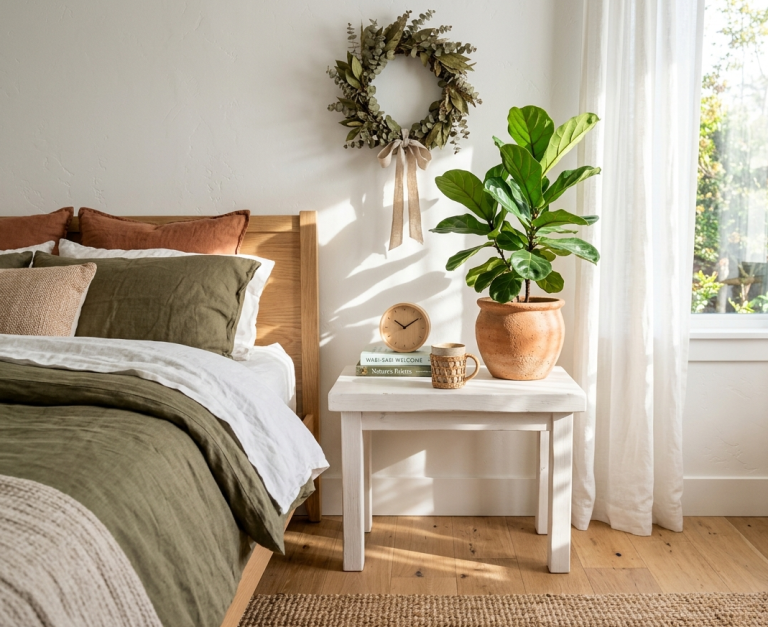
Swap bulky bedside tables for floating nightstands. These space-savers attach directly to the wall, leaving the floor visible and making the room feel larger. They hold your lamp, phone, and a book without crowding the bed. For extra function, choose ones with a small drawer or a lower shelf. Mount them at mattress height so everything stays within arm’s reach. This trick works especially well in tiny bedrooms where every inch of floor space counts.
Tips
- Install them 2–4 inches above the mattress for easy access.
- Use a single floating shelf instead of a traditional nightstand.
- Pair with a wall-mounted lamp to free up even more surface space.
2: Under-Bed Storage Drawers

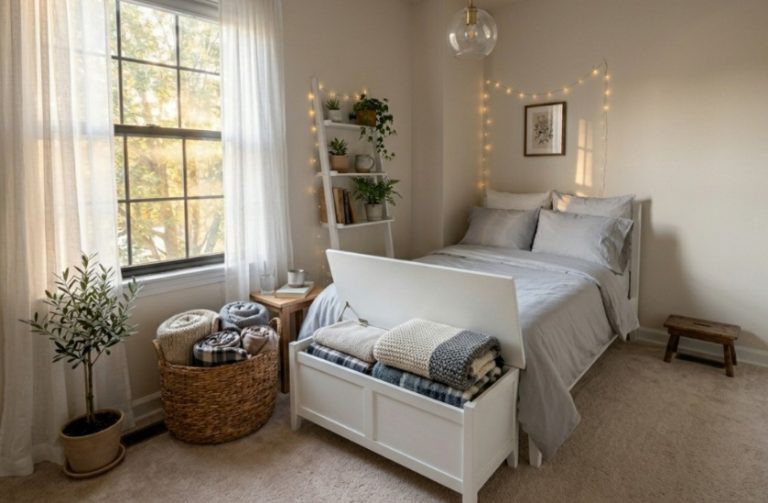
The space under your bed is prime real estate. Instead of letting it collect dust, use rolling drawers or flat bins to store off-season clothes, extra linens, or shoes. If you don’t have built-in drawers, buy low-profile containers on wheels. A bed frame with hydraulic lift storage is another game-changer. This is one of the most practical tiny bedroom ideas because it hides clutter while keeping everything accessible. Just make sure drawers are shallow enough to clear the floor.
Tips
- Vacuum-seal bulky items like winter blankets to save more space.
- Label bins so you don’t have to pull everything out to find one thing.
- Choose clear plastic bins to see contents at a glance.
3: Vertical Wall Shelves to the Ceiling

When floor space is limited, go up. Install floor-to-ceiling shelves on one wall to store books, plants, baskets, and decor. This draws the eye upward, making the ceiling feel higher and the room larger. Use open shelves for items you use often and lower cabinets or bins for hidden storage. Keep the top shelves for pretty objects or seasonal items you don’t need daily. This trick turns an empty wall into a stunning focal point.
Tips
- Paint shelves the same color as the wall to reduce visual clutter.
- Mix closed baskets with open displays for a balanced look.
- Use a small rolling ladder if shelves go very high.
4: Fold-Down Desk or Murphy Bed Combo

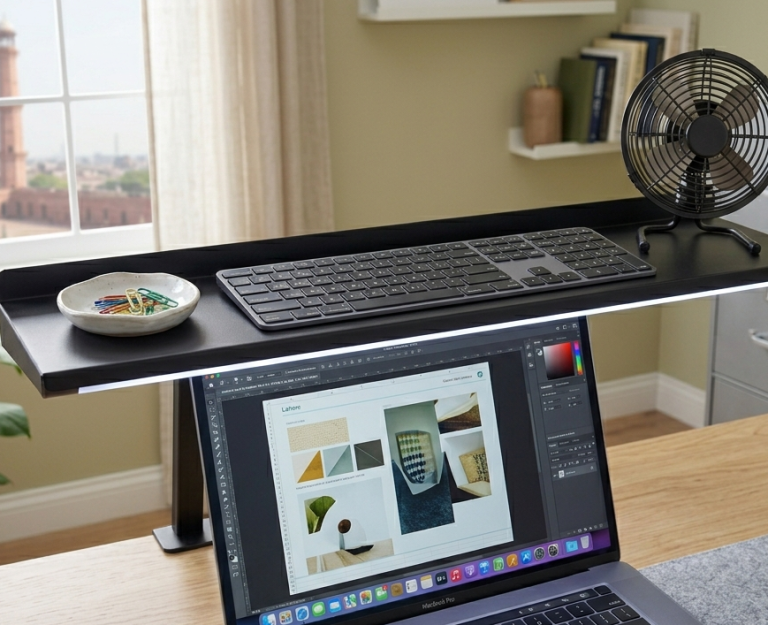
A wall-mounted fold-down desk gives you a workspace by day that disappears at night. For ultimate space-saving, consider a Murphy bed with an integrated desk that folds down when the bed is up. This is ideal for studio apartments or guest rooms that double as home offices. When the desk is closed, the room feels open and calm. You can even add a small stool that tucks underneath. This is one of the smartest tiny bedroom ideas for multitaskers.
Tips
- Install a pegboard above the desk for supplies without taking up surface space.
- Use a magnetic strip to hold pens and small tools.
- Choose a desk with a lip to prevent items from sliding off when folded.
5: Mirrors to Double Visual Space

A large mirror is the oldest trick in the book for a reason. Placing a full-length mirror opposite a window reflects natural light and creates the illusion of depth. Try a floor mirror leaning against the wall or a set of mirrored closet doors. For a dramatic effect, cover an entire wall with mirror panels. Just avoid placing mirrors where they reflect clutter. This is a zero-square-footage solution that instantly makes any tiny bedroom feel twice as big.
Tips
- Angle the mirror to reflect a pleasant view, not a messy corner.
- Use a round mirror to soften sharp room angles.
- Keep the mirror frame thin and light for a modern look.
6: Light Color Palette with One Accent Wall
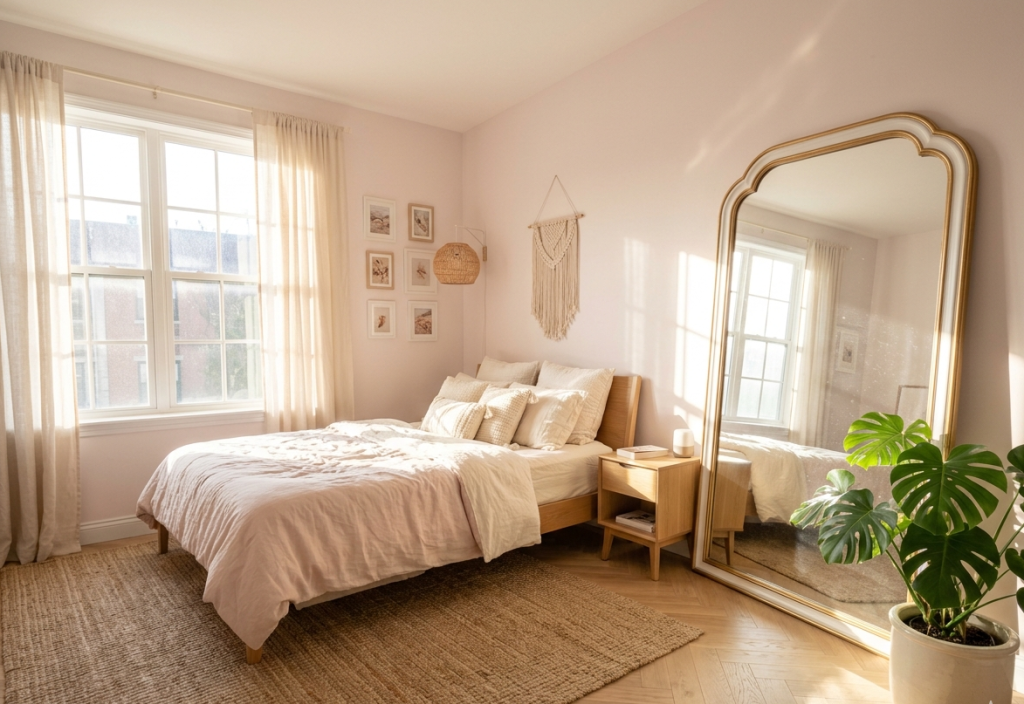
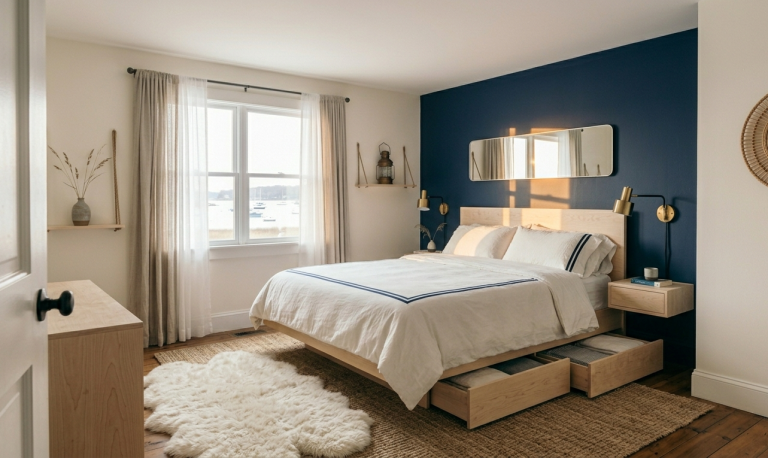
Dark colors absorb light and make small rooms feel smaller. Stick to whites, off-whites, light grays, or pale beiges for walls, ceilings, and large furniture. Then add one accent wall in a slightly deeper tone like sage green, dusty blue, or warm terracotta to add personality without overwhelming the space. Keep bedding and curtains light too. This palette reflects natural and artificial light, opening up the room visually.
Tips
- Paint the ceiling 1–2 shades lighter than walls to increase height.
- Use glossy paint on trim to reflect more light.
- Keep the accent wall behind the bed for a natural focal point.
7: Corner Floating Desks or Vanities

Corners often go unused. Install a small floating desk or vanity in a corner to create a functional zone without eating up center floor space. A triangular or L-shaped corner desk fits perfectly and leaves the rest of the room free. Add a small stool that slides completely under when not in use. For a vanity, mount a round mirror above and store makeup in wall-mounted magnetic tins. Corners become power zones with this approach.
Tips
- Install a small shelf above the desk for extra storage.
- Use a swing-arm lamp to save desktop space.
- Keep the desk surface white or light wood to blend in.
8: Canopy or Tapestry to Define the Bed Zone

In a tiny bedroom, the bed often dominates. Lean into it by using a lightweight canopy, ceiling-mounted curtain rod, or a large tapestry behind the headboard. This visually separates the sleeping area from any other zones (like a small desk or dresser). It adds height, texture, and a sense of coziness. Choose sheer fabrics to keep light flowing or heavier textiles for a snug, cave-like feel. This is both decorative and functional.
Tips
- Use command hooks to hang fabric if you’re renting.
- Keep fabric off the floor to avoid a cluttered look.
- Choose a color that matches your bedding for a cohesive feel.
9: Door-Mounted Organizers

The back of your bedroom door is hidden storage waiting to happen. Hang an over-the-door organizer with clear plastic pockets or fabric pouches. Use it for shoes, accessories, belts, hats, or even small toiletries. For a cleaner look, install a slim wire rack on the door for folded jeans or towels. This takes zero floor space and keeps daily items visible and accessible. Just make sure the door can still close fully.
Tips
- Choose a neutral-colored organizer so it blends with the door.
- Rotate seasonal items to keep only current needs visible.
- Use adhesive hooks for a rental-friendly no-drill option.
10: Low-Profile Platform Bed with No Footboard
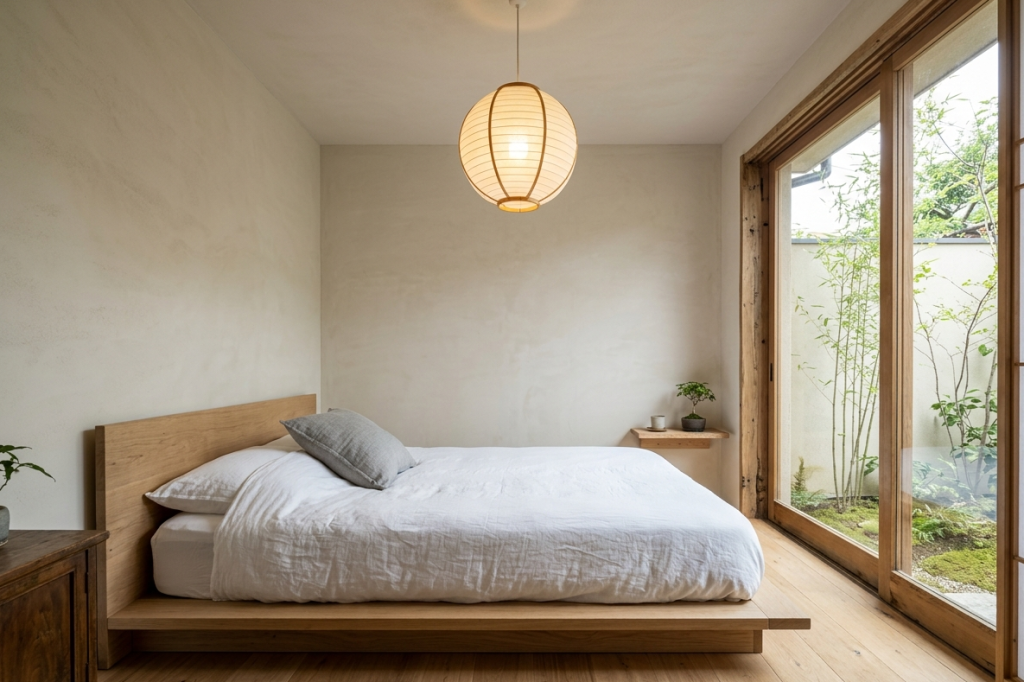
Traditional beds with bulky headboards and footboards eat up visual and physical space. A low platform bed sits closer to the floor, making ceilings feel higher. Skip the footboard entirely so the room feels more open. This style works beautifully with a minimalist or Japanese-inspired aesthetic. The lower height also makes the bed feel less dominant. Add a simple headboard that’s no thicker than 2 inches, or go without one.
Tips
- Use a bed frame with built-in side drawers for hidden storage.
- Keep bedding flat and tucked for a clean line.
- Place a long narrow rug under the bed to extend the room visually.
11: Hanging Plants to Use Airspace
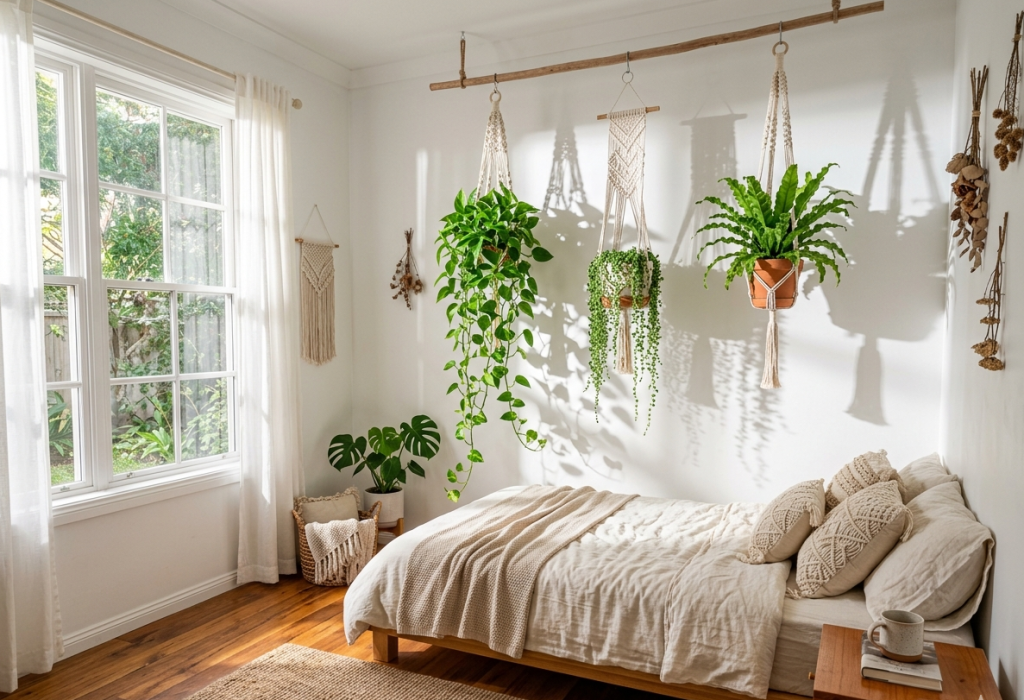
Floor space is precious, but the air above is free. Hang pothos, spider plants, or string of pearls from ceiling hooks or a wall-mounted rod. Trailing plants draw the eye up and add life without taking up a single square inch of floor. They also soften hard corners and improve air quality. Use lightweight macrame hangers for a boho touch or simple white pots for a modern look. Just water them over a sink to avoid drips.
Tips
- Place plants near a window but not blocking light.
- Use self-watering planters for low maintenance.
- Group three hanging plants at different heights for visual interest.
12: Sliding Barn Door Instead of Swing Door
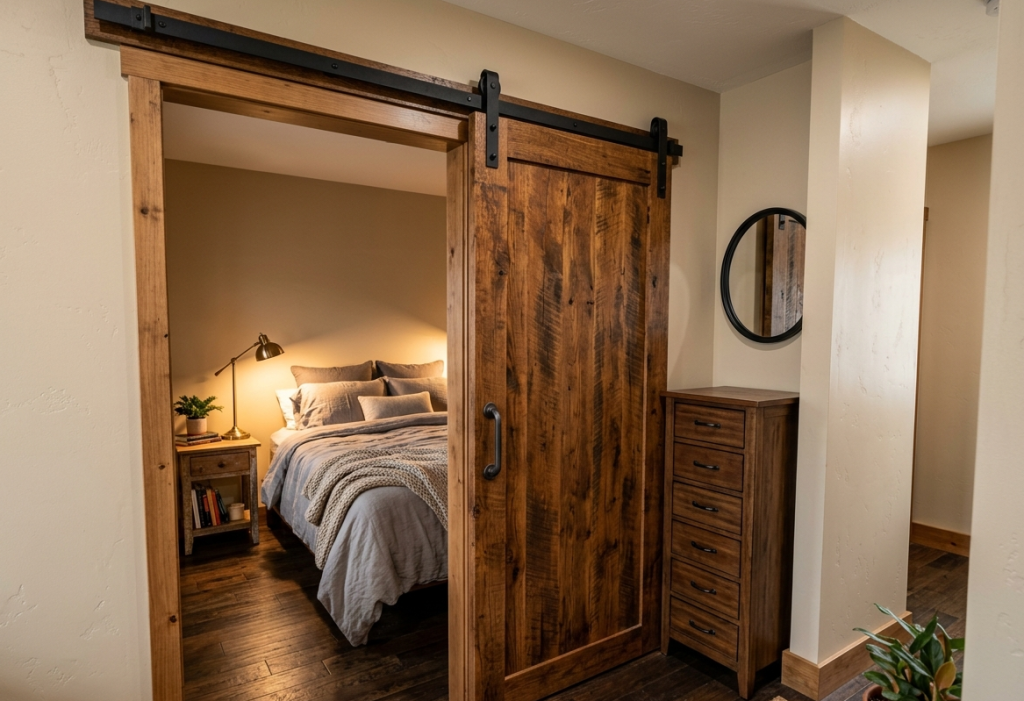
A traditional swinging door eats up precious floor space every time you open it. Replace it with a sliding barn door or a pocket door. The door glides along the wall, leaving the area around it completely usable. You can now place a dresser or bookshelf right next to the door frame. If you can’t install a true sliding door, try a curtain on a tension rod as a lightweight alternative.
Tips
- Choose a door with a mirror panel for extra light reflection.
- Use soft-close hardware to prevent loud slamming.
- Keep the track hardware in a matte black or brushed nickel for a modern look.
13: Niche Shelving in Wall Alcoves

If your tiny bedroom has an odd alcove, bump-out, or space between studs, turn it into recessed shelving. Cut into drywall (if allowed) or build shallow shelves into an existing niche. This is perfect for books, alarm clocks, or small decor items. It adds storage without protruding into the room at all. In a rental, use a standing slim bookshelf that fits flush into the alcove instead. Either way, you turn dead space into functional art.
Tips
- Paint the back of the niche a darker color to add depth.
- Use LED strip lights under each shelf for a high-end look.
- Store only lightweight items to avoid sagging.
14: Transparent or Lucite Furniture
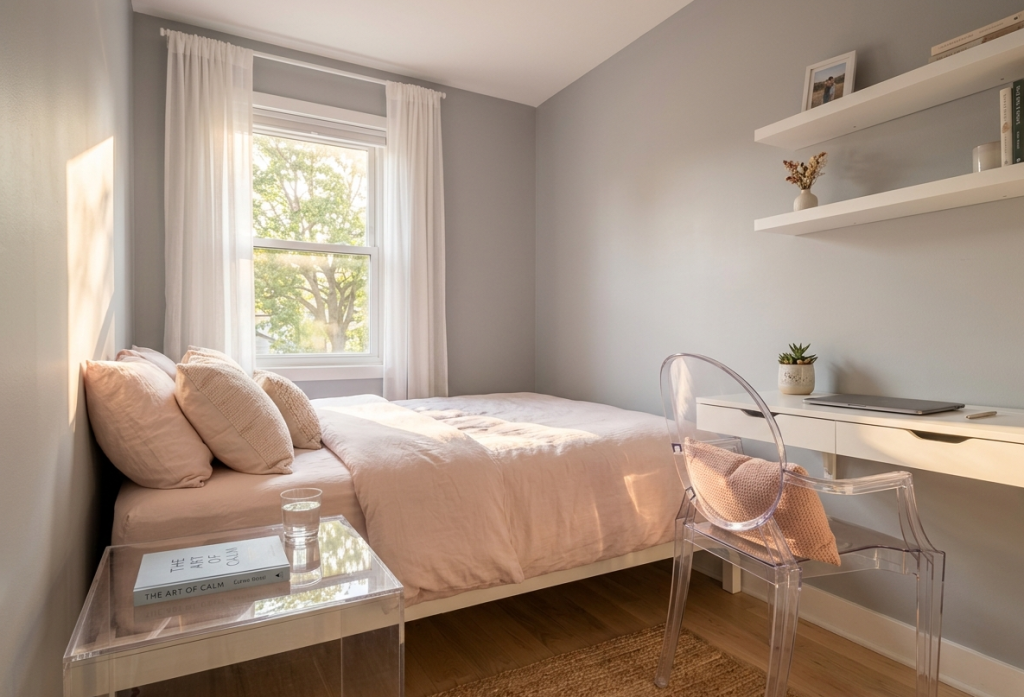
Clear acrylic furniture visually disappears, making it perfect for tiny rooms. Try a Lucite chair, a transparent nightstand, or a clear desk. Because you can see through them, they don’t create visual blocks. Your eye travels past them to the walls and floor, making the room feel larger. The effect is subtle but powerful. Pair with metal or wood accents to avoid a cheap plastic look.
Tips
- Use a clear ghost chair at a small desk.
- Choose frosted acrylic for less visible fingerprints.
- Keep Lucite pieces clean with a microfiber cloth and soapy water.
15: Headboard with Built-In Storage
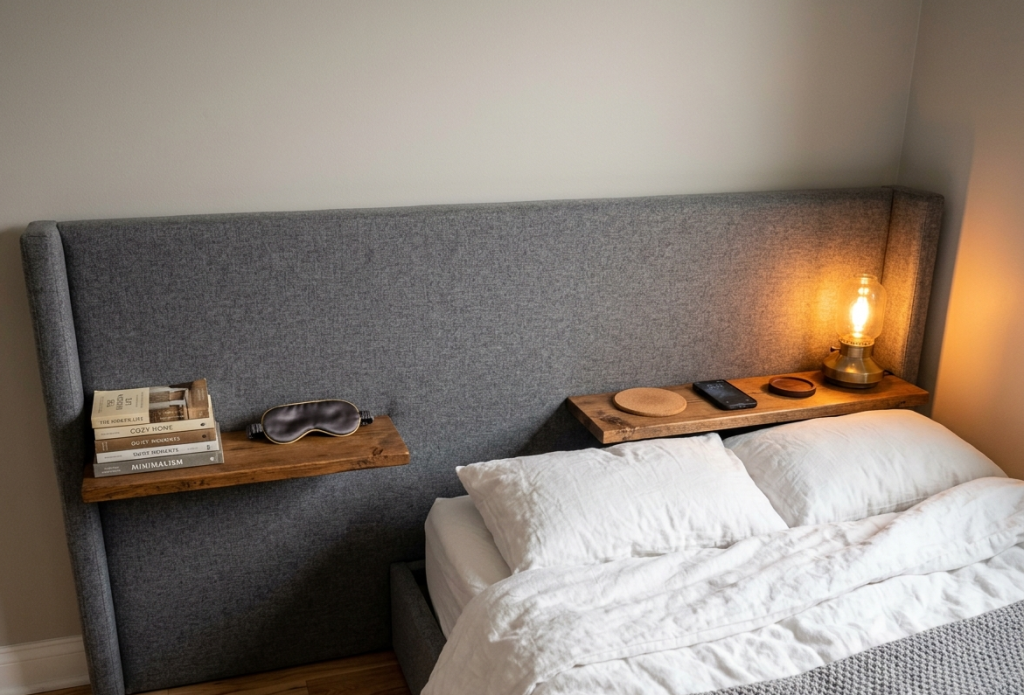
Instead of a decorative headboard, choose one that works for you. Upholstered headboards with shelves, cubbies, or tilt-out compartments store books, glasses, phones, and chargers. Some models even have hidden safes or pull-out trays. This replaces the need for bulky nightstands entirely. In a tiny bedroom, a storage headboard can free up an entire foot of floor space on each side of the bed.
Tips
- Look for headboards with USB ports built in.
- Use the top shelf for an alarm clock and a small plant.
- Choose a padded fabric headboard for comfort while reading in bed.
16: Zone Separation with a Curtain
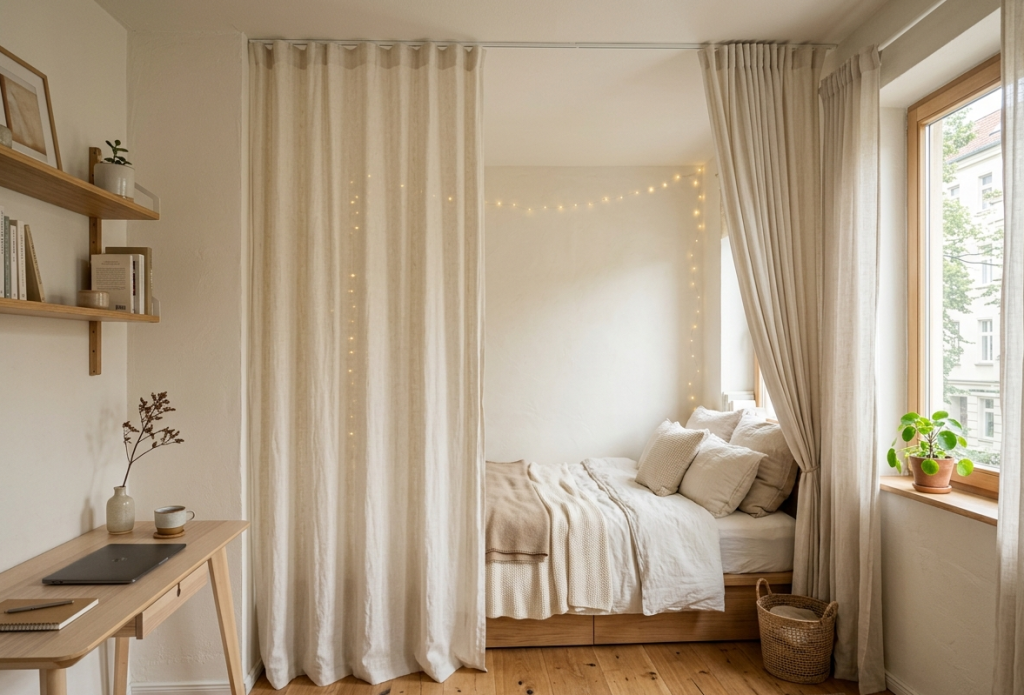
If your tiny bedroom shares space with a living area or home office, use a floor-to-ceiling curtain to create a separate sleeping zone. Mount a tension rod or ceiling track and hang heavy drapes. At night, close the curtain for privacy and darkness. During the day, pull it open to make the whole room feel large again. This is cheaper and softer than a room divider or bookshelf wall.
Tips
- Use blackout fabric for better sleep.
- Choose a curtain color that matches the main wall so it blends when open.
- Install the rod 6 inches above the door frame for a taller look.
17: Wall-Mounted Folding Table as Nightstand

The ultimate space-saver: a small wall-mounted folding table that flips up when needed and folds flat against the wall when not. Mount one next to your bed. Flip it down at night to hold a glass of water and your phone. Flip it up in the morning to create floor space for yoga or vacuuming. Some models even have a small lip to prevent items from rolling off. This is ideal for the tiniest of tiny bedrooms.
Tips
- Install it at the same height as your mattress.
- Add a small adhesive hook on the wall to hang it in the folded position.
- Choose a white or wood finish to match your wall.
Conclusion
A tiny bedroom doesn’t have to feel cramped or chaotic. With these 17 tiny bedroom ideas, you can maximize every inch while creating a space that feels calm, stylish, and truly yours. Start small maybe with under-bed storage or a floating nightstand then layer in mirrors, light colors, and vertical shelves. The goal isn’t to cram more in; it’s to make what you have work smarter. Which idea will you try first? Share your tiny bedroom transformation with us in the comments below.
FAQs
What is the best color for a tiny bedroom?
The best colors are light and neutral: soft white, pale gray, light beige, or very pale blue. These reflect natural and artificial light, making the room feel larger and airier. Save dark colors for small accents only.
How can I make a tiny bedroom look bigger without renovating?
Use mirrors opposite windows, switch to floating furniture, keep clutter off the floor, and choose a low-profile bed. Also, hang curtains high and wide to make windows appear larger. These are all no-renovation fixes.
What bed size is best for a tiny bedroom?
A twin or full size is usually best. A queen can work in a room at least 8×10 feet, but measure carefully. Consider a twin XL for extra length without extra width. Murphy beds or lofted beds are even better for very small spaces.