17 Small Entryway Decor Ideas
First impressions matter, but what if your entryway is more of a tight squeeze than a grand foyer? You’re not alone. Many homes have tiny, awkward entry spaces that feel impossible to style without clutter. The good news? Small doesn’t have to mean boring or cramped. With the right small entryway decor ideas, you can create a warm, functional, and beautiful welcome zone even if you only have a few square feet. From clever storage hacks to statement mirrors, this guide walks you through 17 actionable ideas. Each one includes practical tips. Let’s turn that narrow hallway into a masterpiece.
1: Lean a Full-Length Mirror with a Slim Shelf
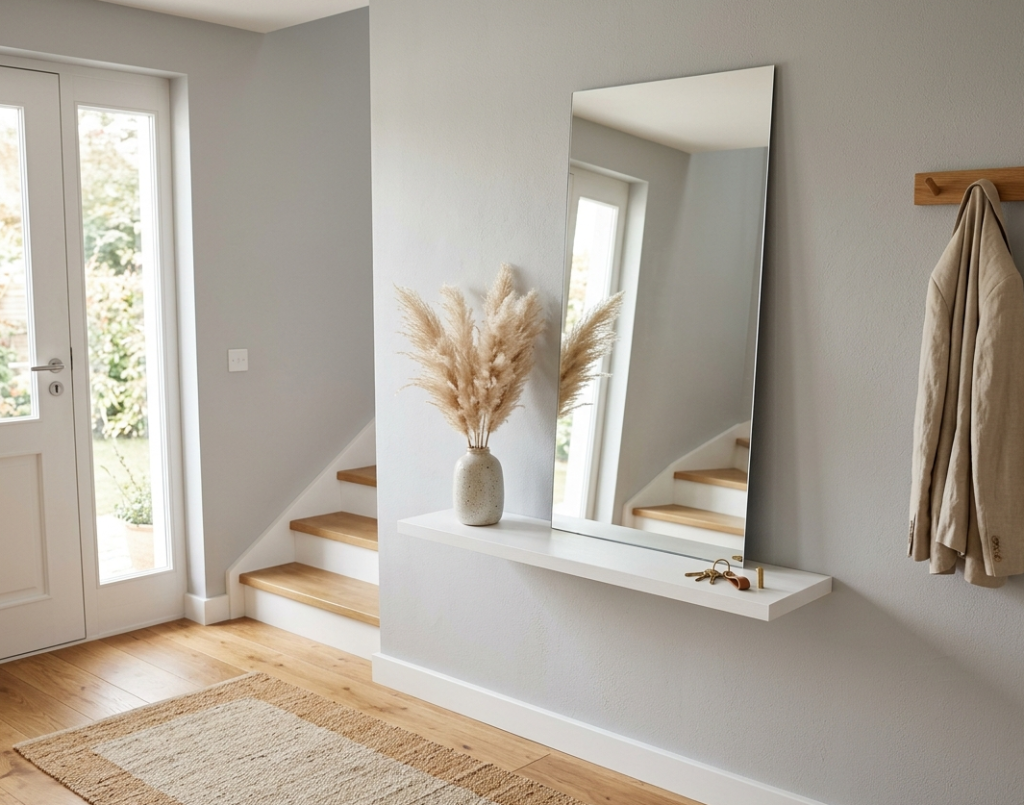
A leaning mirror creates depth and reflects light, making any small entryway feel twice as large. Pair it with a ultra-slim console shelf or a floating ledge to catch keys and a small plant. This combo keeps the floor clear while adding function.
Tips
- Choose a mirror with a thin black or brass frame for a modern touch.
- Keep the shelf under 6 inches deep to avoid blocking the path.
- Add a small tray for catch-all organization.
2: Install a Wall-Mounted Drop-Leaf Table
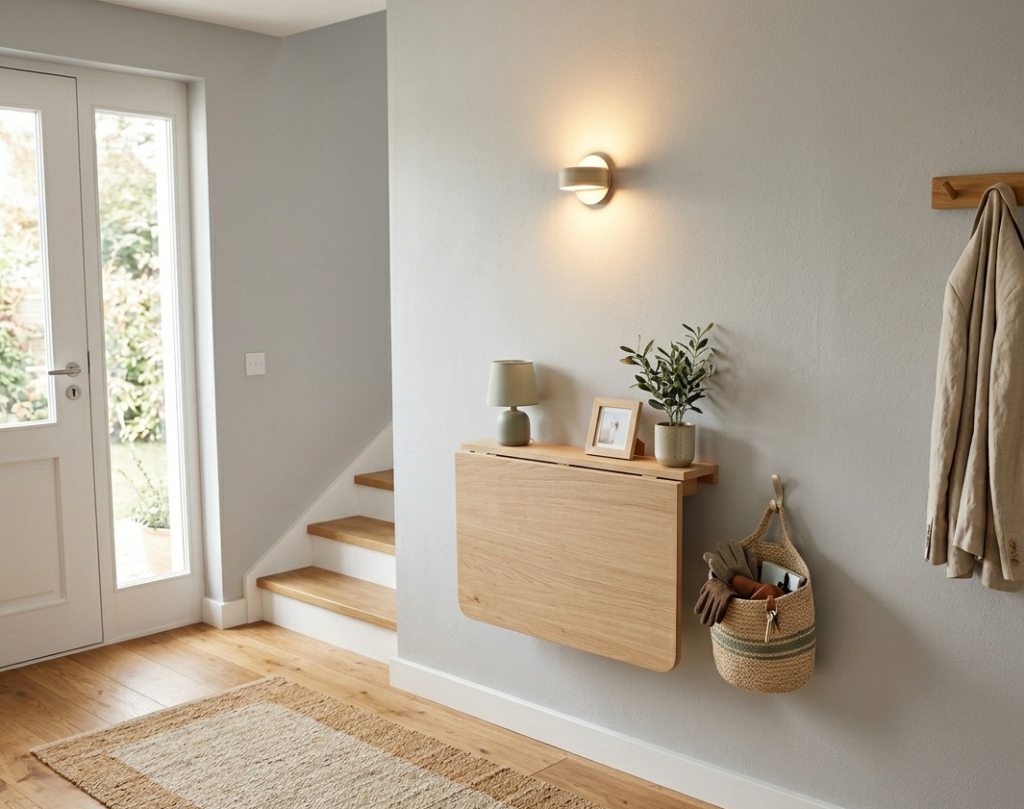
A drop-leaf table is the ultimate space saver. Leave it folded flat against the wall most of the time, then flip it up when you need a surface for groceries, mail, or a decorative lamp. It doubles as a tiny desk or a landing strip.
Tips
- Mount it at counter height for easy standing use.
- Add a small stool underneath that tucks away completely.
- Use magnetic strips on the wall for keys and metal items.
3: Use a Round Pedestal Table Instead of a Console
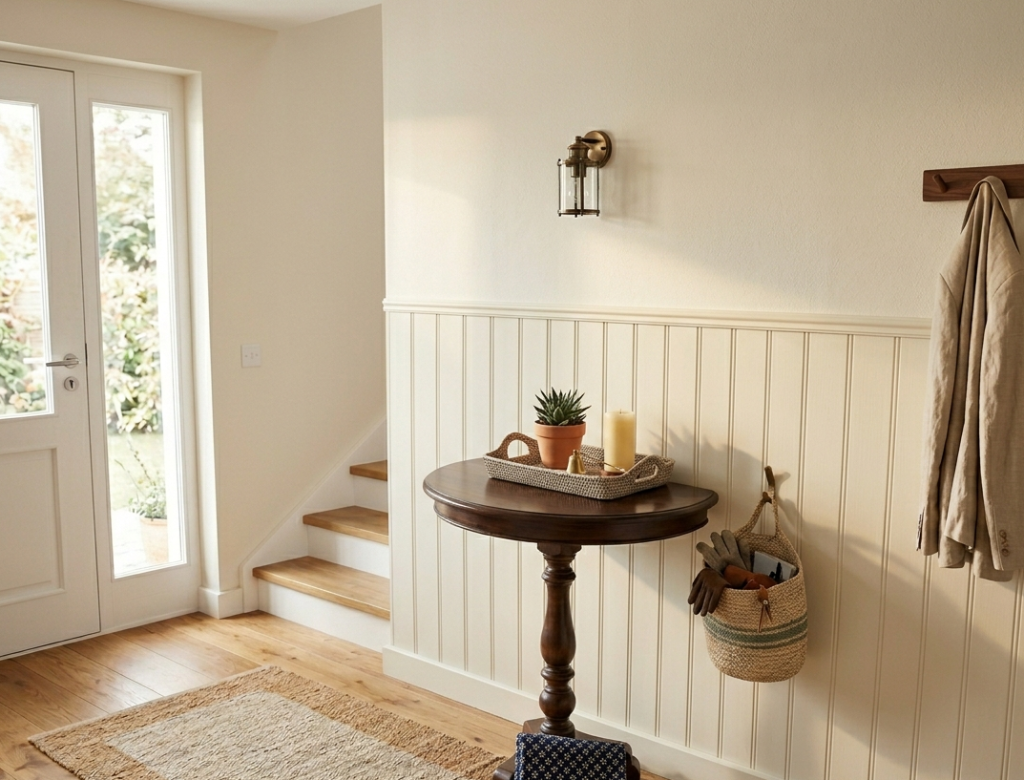
Square corners eat up precious walking space. A round pedestal table has a smaller footprint and no sharp edges. Place it against one wall or in a corner. Its curved shape softens traffic flow and gives you a spot for a vase or a bowl for loose change.
Tips
- Choose a table with a lower shelf for an extra layer of storage.
- Keep styling to one or two objects maximum.
- Position it near the door but not blocking the swing.
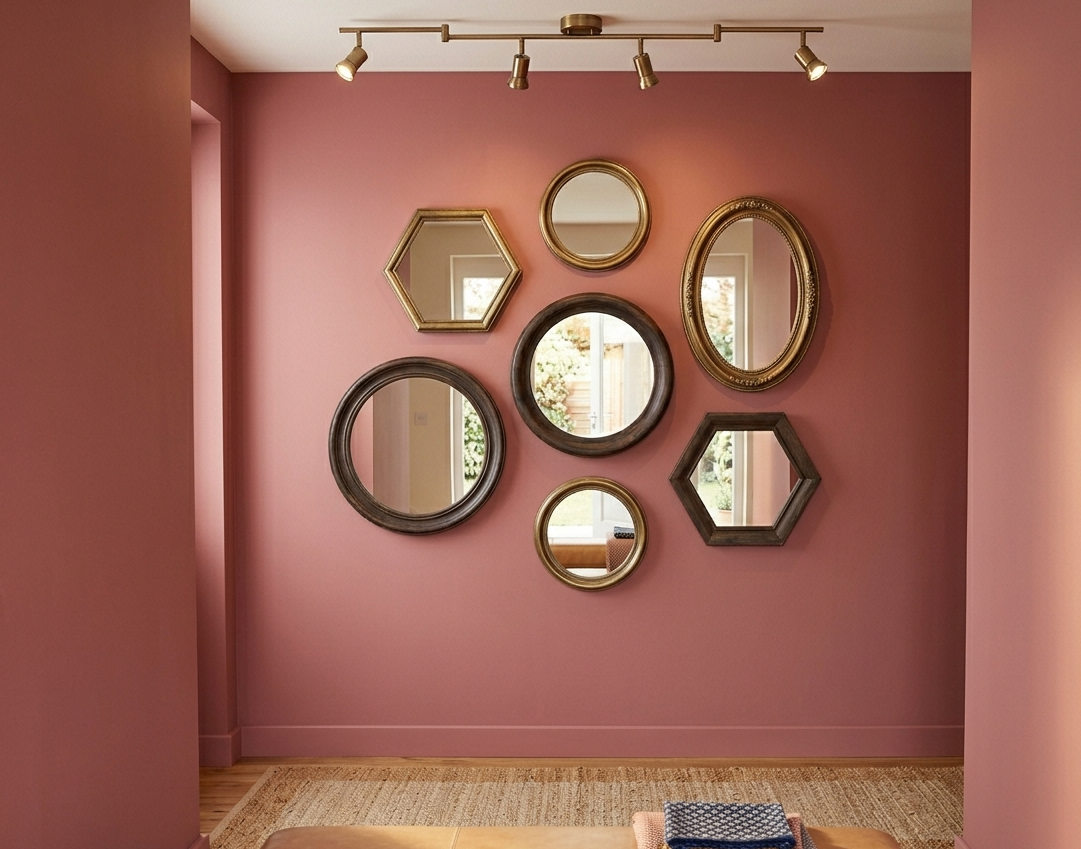
4: Hang a Gallery Wall of Small Mirrors
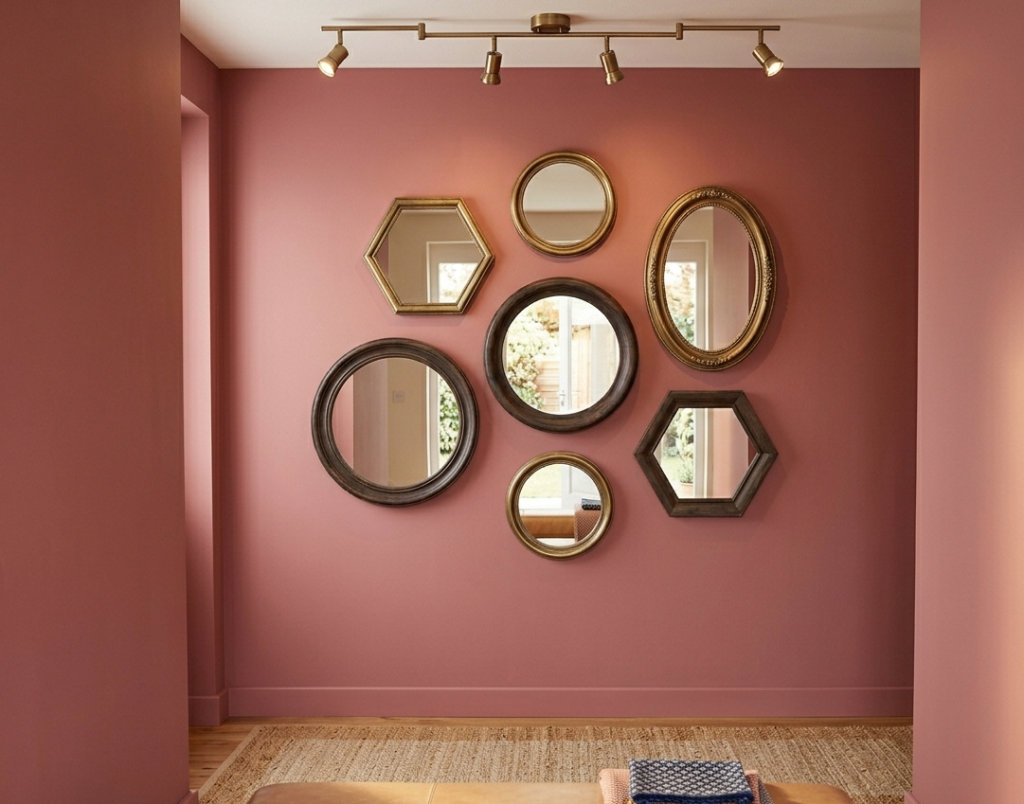
Instead of one large mirror, cluster several small mirrors in different shapes and frames. They bounce light around the space, create visual interest, and don’t require floor space. The mix of sizes tricks the eye into seeing a larger area.
Tips
- Keep frames within two colors (e.g., all brass and black).
- Arrange them in an organic, asymmetrical layout.
- Leave 2–3 inches between each mirror for breathing room.
5: Add a Slim Shoe Cabinet with Tilt-Out Drawers
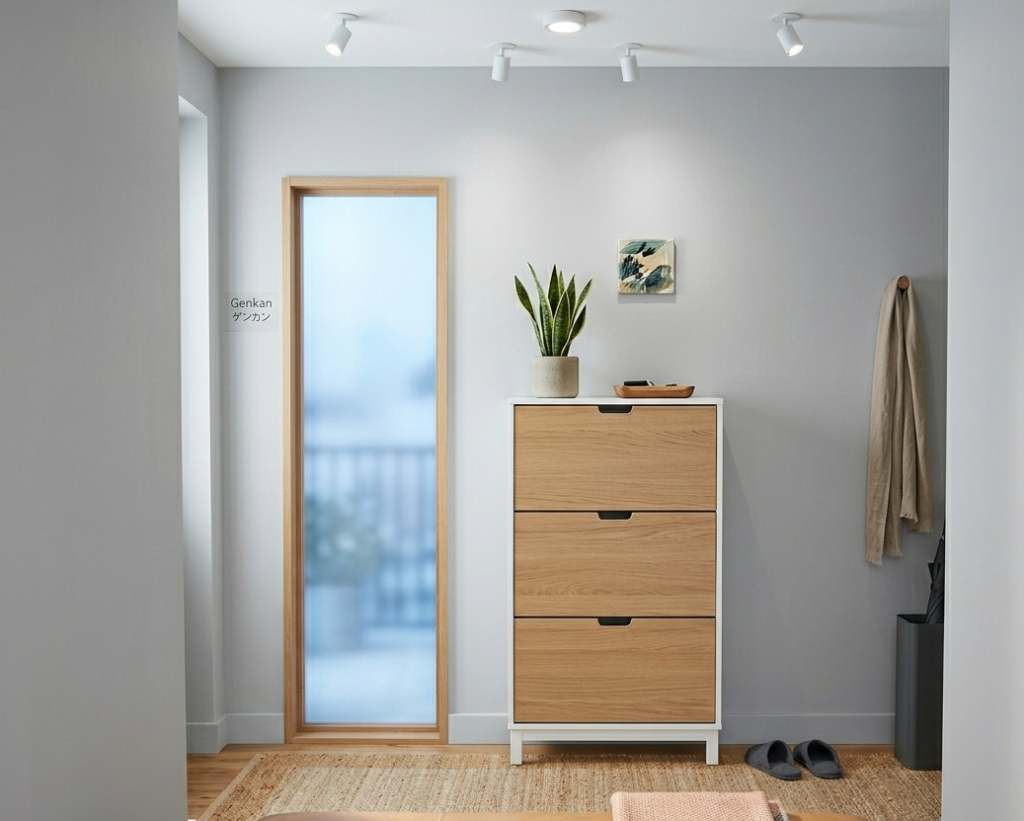
Shoes scattered on the floor ruin any entryway. A slim cabinet (just 7–9 inches deep) with tilt-out drawers hides up to 12 pairs vertically. The top surface becomes a display ledge. Look for one with a closed back so it doesn’t trap dust.
Tips
- Mount it to the wall to prevent tipping.
- Use the top for a small lamp and a catch-all bowl.
- Label drawers by family member if needed.
6: Install Floating Peg Rails for Vertical Storage
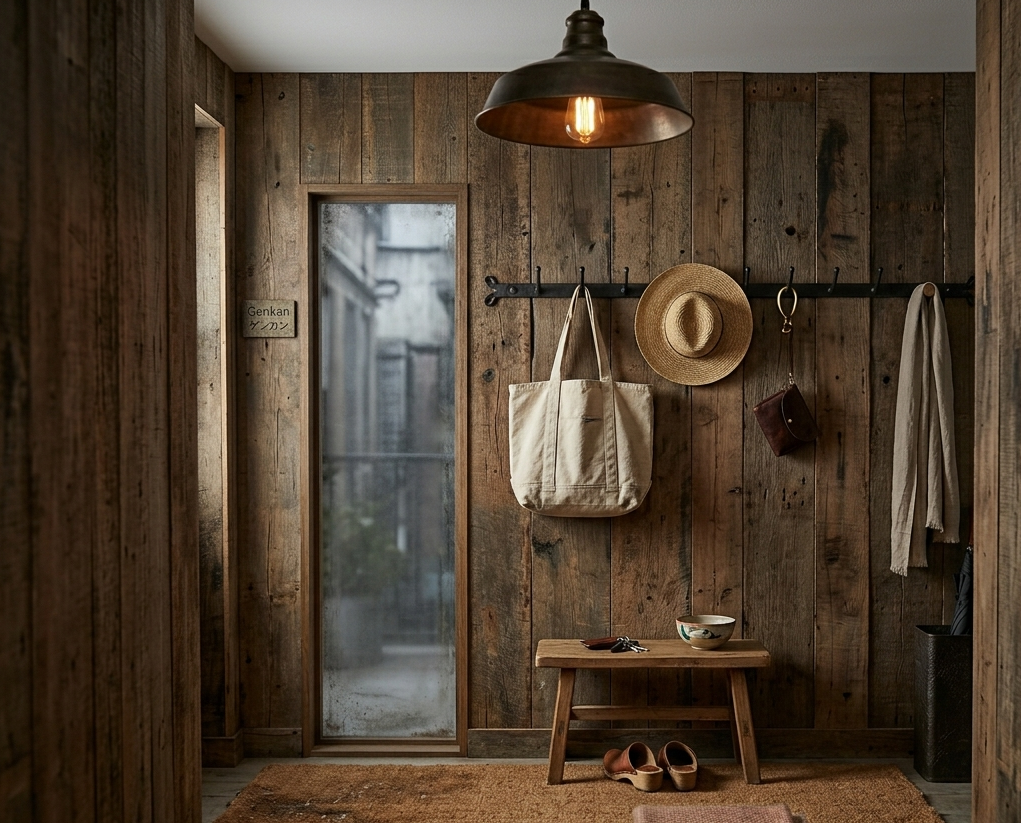
Forget bulky coat racks. Floating peg rails (also called “hall trees” in rail form) let you hang bags, hats, scarves, and even a lightweight mirror. You control the height and spacing. Swap out hooks seasonally or add small shelves between pegs.
Tips
- Use two parallel rails for taller items like umbrellas.
- Paint the rail the same color as your wall to make it disappear.
- Add S-hooks for hanging planters or small baskets.
7: Place a Small Potted Tree in the Corner
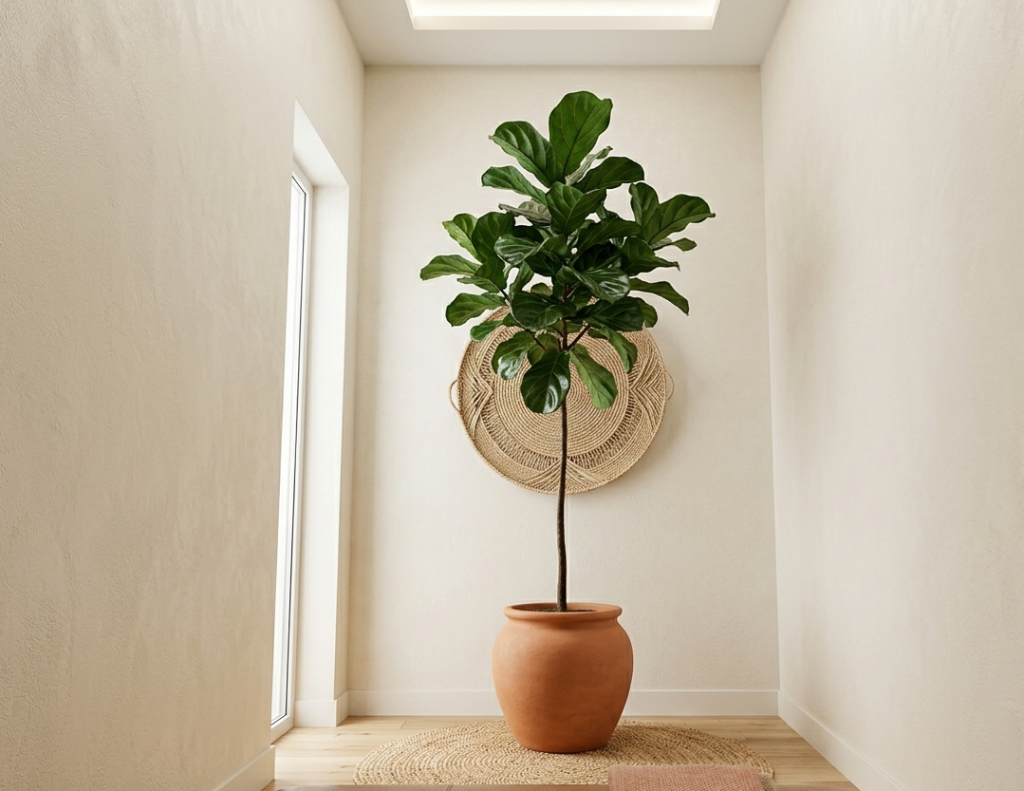
A live plant (like a fiddle-leaf fig or a tall snake plant) draws the eye upward, making a low ceiling feel higher. Choose a narrow pot that fits into a tight corner. The green foliage adds life and softens hard edges.
Tips
- Pick a slow-growing variety to avoid constant repotting.
- Use a pot with drainage and a hidden saucer.
- Keep it at least 2 feet from the door swing.
8: Use a Bright Runner Rug to Define the Space
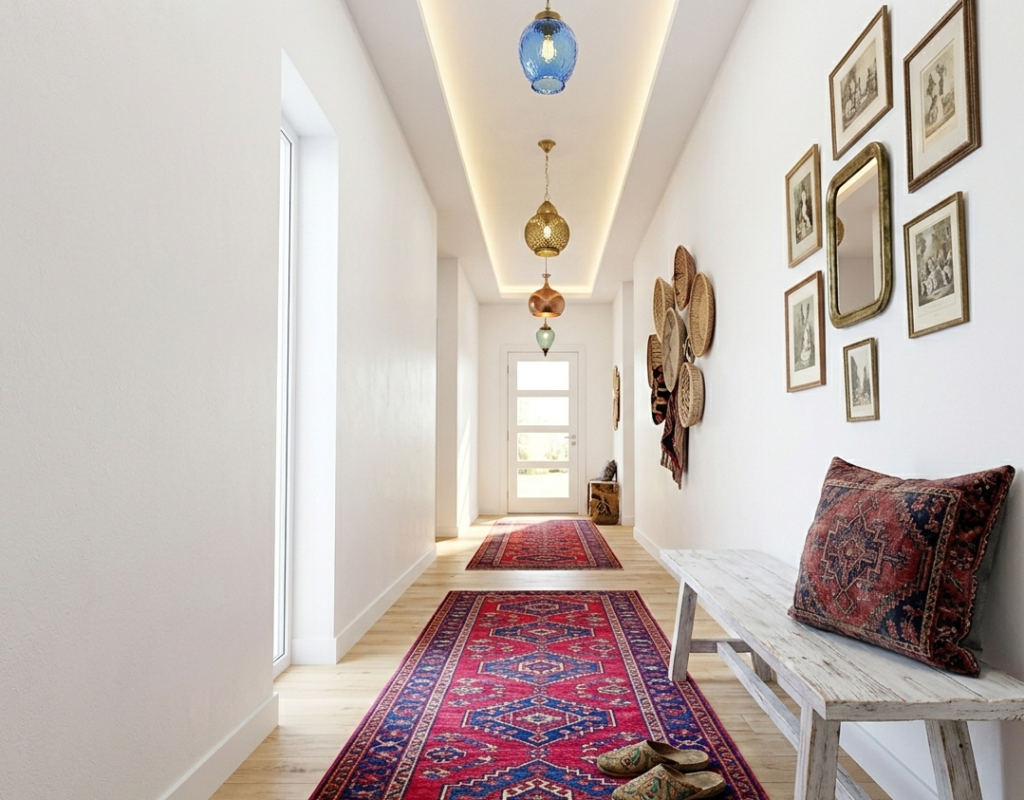
A long, narrow runner rug visually extends the hallway and creates a clear pathway. Choose a lively pattern or bright color to distract from the small size. It also catches dirt before it spreads into your home.
Tips
- Leave 2–3 inches of floor visible on each side.
- Use a nonslip pad underneath.
- Washable rugs are best for high-traffic entries.
9: Add a Magnetic Key Holder Inside the Door
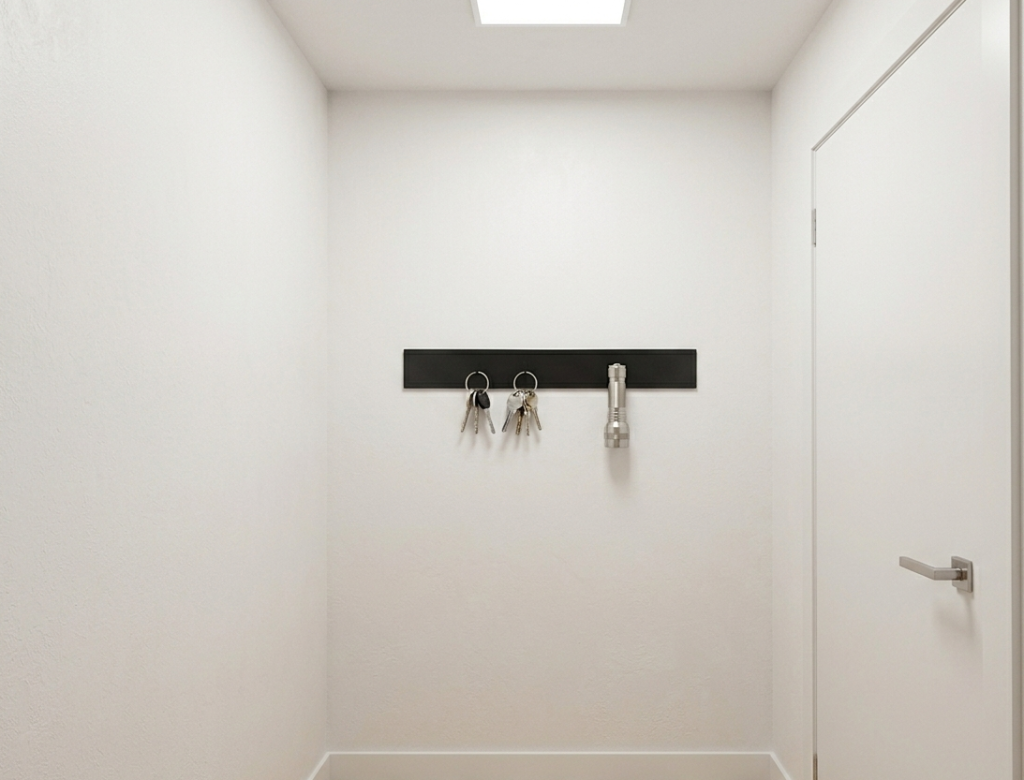
Keep keys, sunglasses, and small flashlights off surfaces entirely. A magnetic strip mounted on the inside of your front door (or on an adjacent wall) holds metal items invisibly until you need them. It’s the ultimate small entryway decor idea for minimalists.
Tips
- Use strong neodymium magnets inside a decorative wooden strip.
- Mount at arm’s height, not eye level.
- Test that the door still opens fully.
10: Hang a Long, Narrow Art Print Vertically
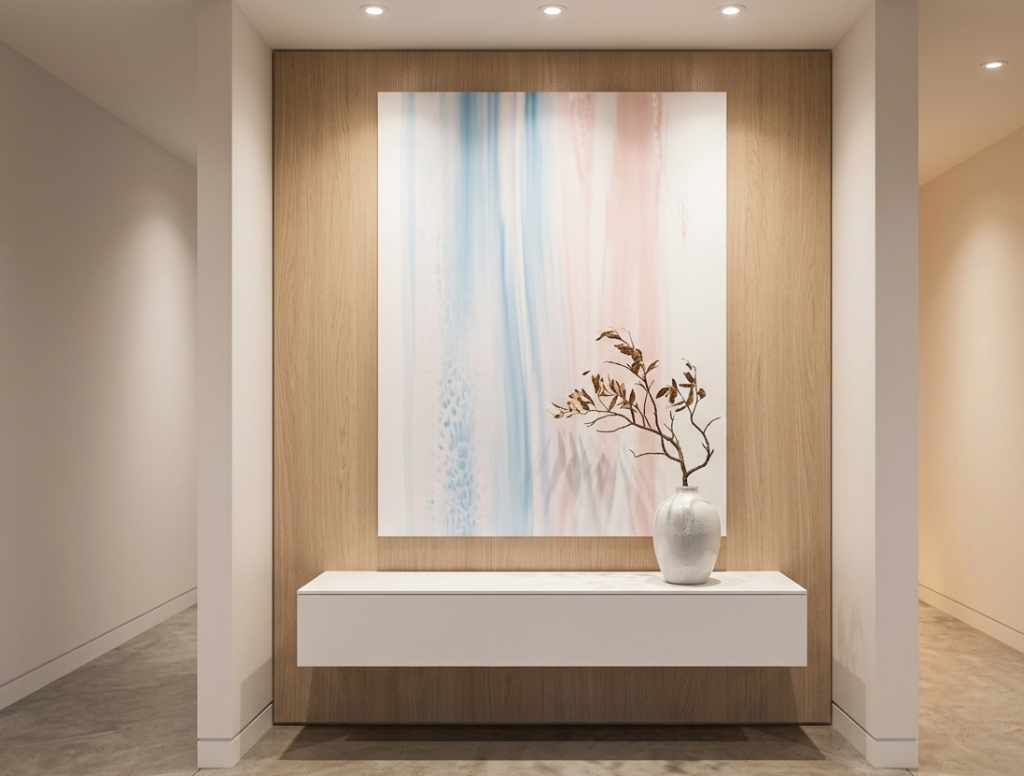
A vertical piece of art tricks the eye into seeing higher ceilings. Choose a long, thin canvas or framed print in a light color palette. Hang it at standing eye level. This draws attention away from the cramped floor plan.
Tips
- Pick abstract art with vertical lines or stripes.
- Use a simple frame to avoid visual clutter.
- Hang with a slight downward tilt for better viewing.
11: Install a Glass Shelf Above Eye Level
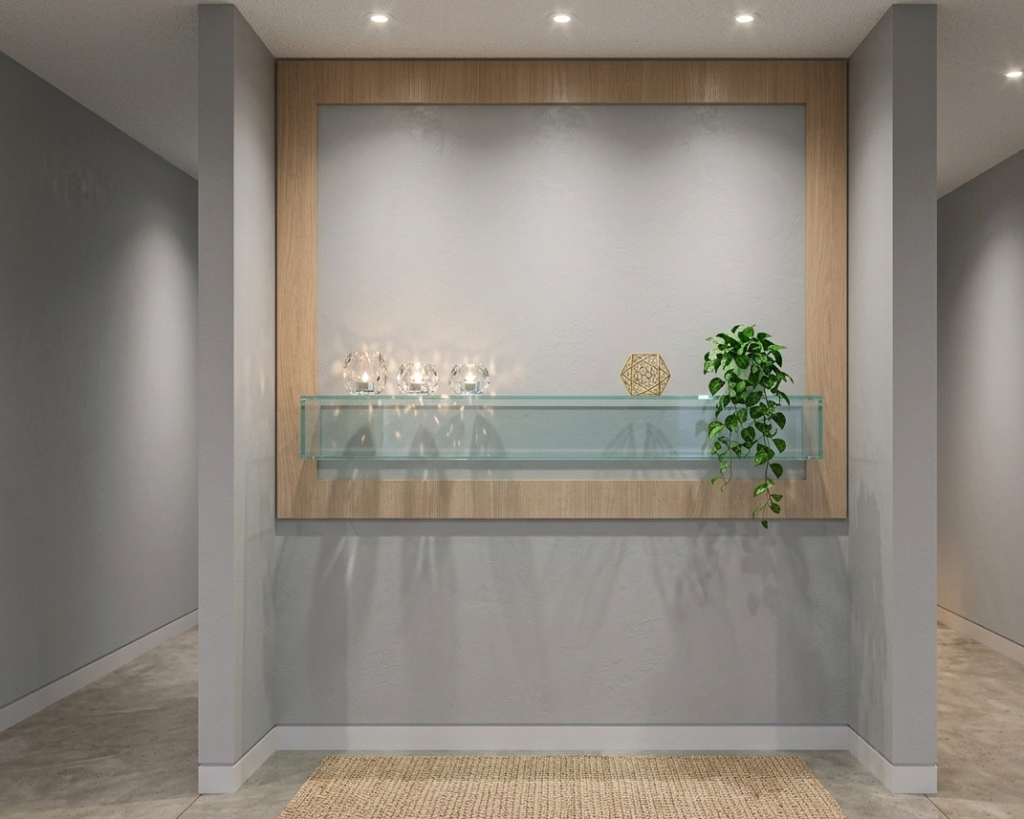
Use otherwise wasted vertical space. Install a clear glass shelf near the ceiling (6–8 inches down) to display lightweight, decorative items like small vases or framed photos. Being above eye level, it doesn’t feel intrusive.
Tips
- Use invisible floating shelf brackets.
- Keep items under 2 pounds each.
- Dust it monthly with a microfiber cloth.
12: Replace a Solid Door with a Frosted Glass Door
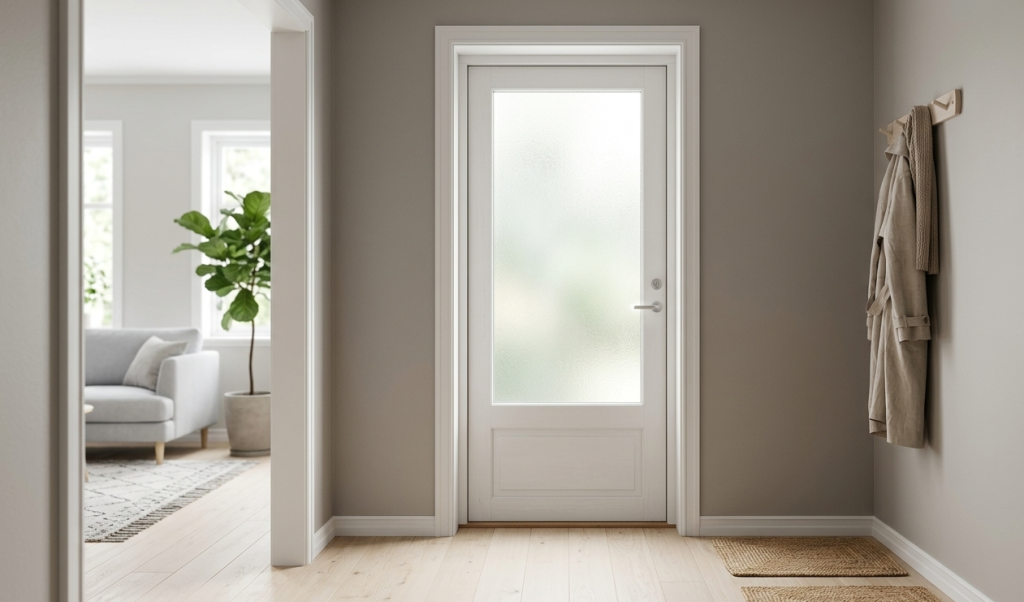
If your entryway feels like a dark box, swap a solid interior door (if it leads to a closet or another room) with a frosted glass panel door. It allows borrowed light to pass through while maintaining privacy. Instantly bright and spacious.
Tips
- Check local fire codes before changing doors.
- Use privacy film on existing glass for a cheaper fix.
- Pair with a light-colored wall paint for maximum reflection.
13: Use Woven Baskets on a Low Stool
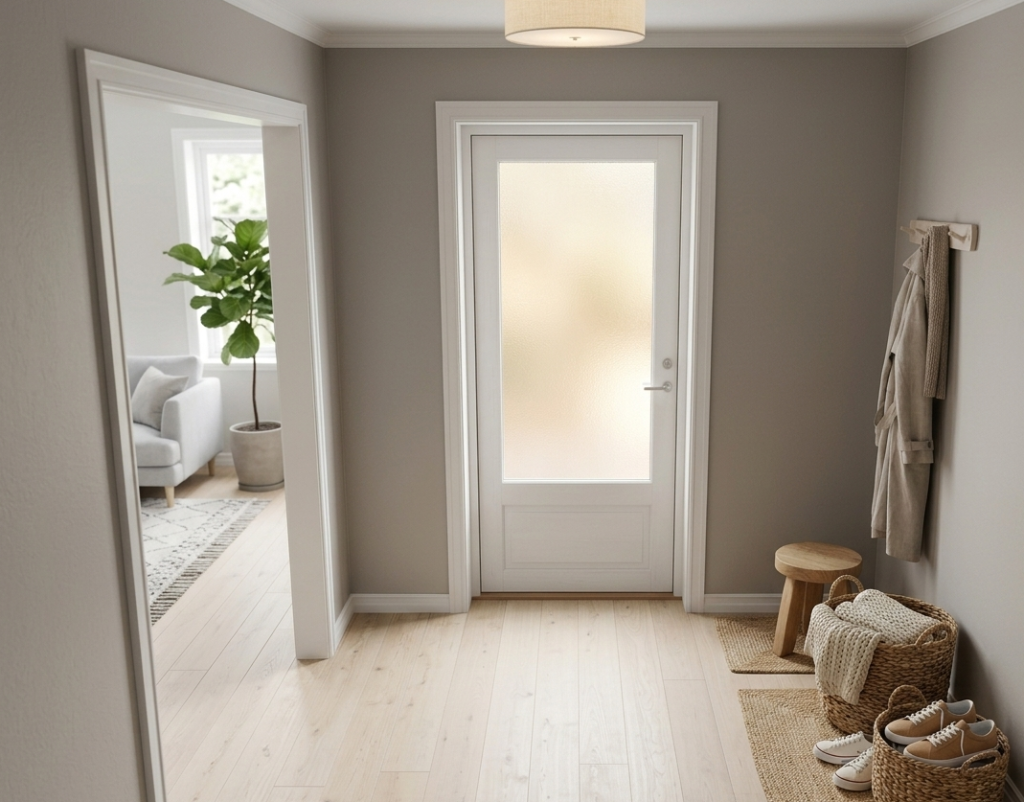
Skip the bulky cabinet. Place a low wooden stool or a pair of stacked woven baskets directly on the floor. Use the top basket for daily items like mail and the lower one for shoes or pet leashes. It’s flexible, cheap, and textural.
Tips
- Line baskets with removable fabric for easy cleaning.
- Choose stool height under 18 inches to keep sightlines open.
- Group two or three stools of different heights for interest.
14: Paint the Ceiling a Warm Color
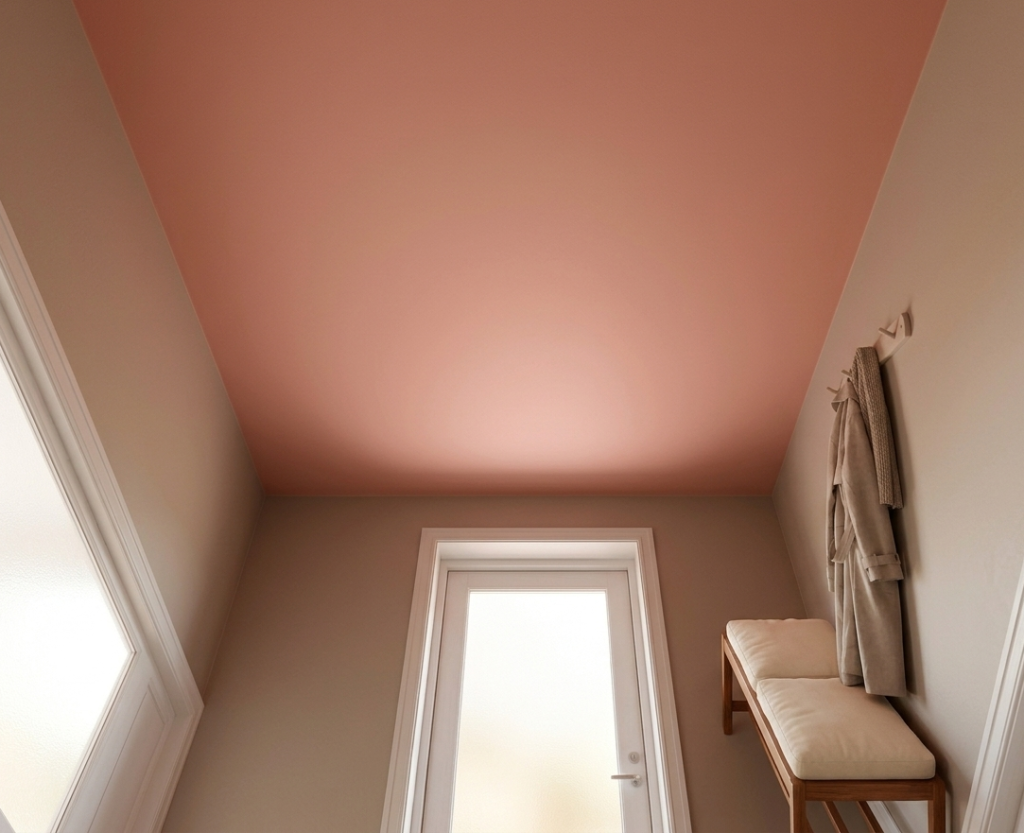
Most people ignore the ceiling. Painting it a warm, soft hue (like pale peach or butter yellow) draws the eye up and makes the walls seem further apart. Keep the walls light and neutral to balance it.
Tips
- Use flat or matte paint to avoid glare.
- Extend the color 2 inches down the wall for a wrapped effect.
- Test samples at different times of day.
15: Install a Fold-Down Wall Hook Strip
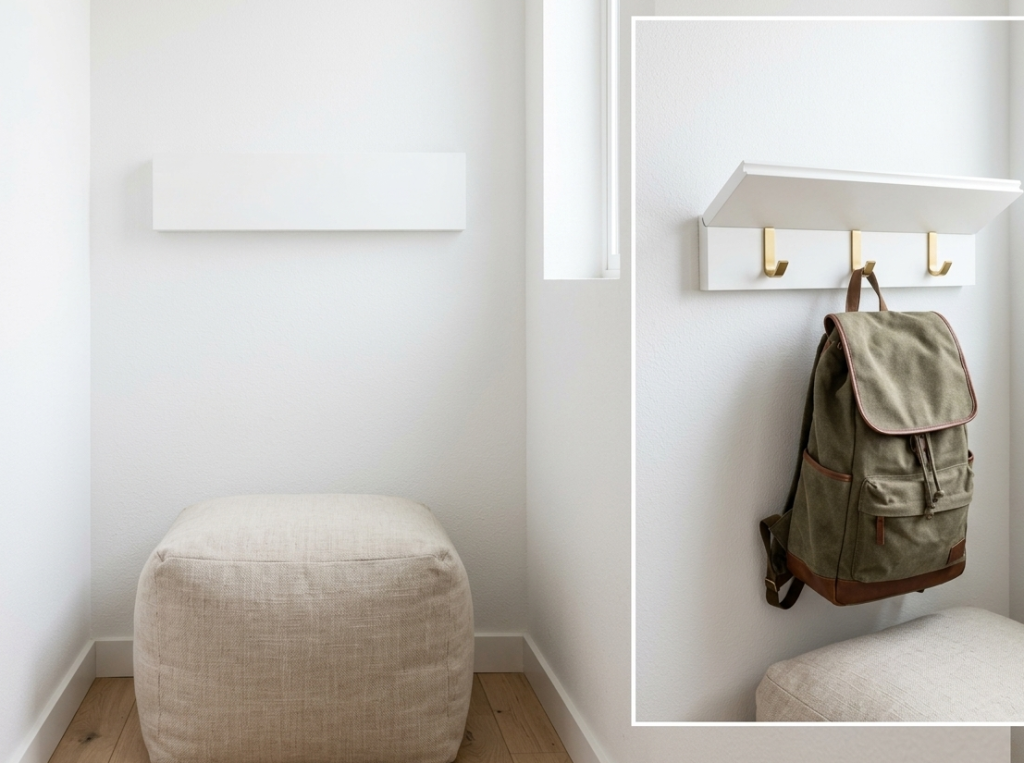
Wall hooks are great, but a fold-down strip takes it further. Mount a wooden or metal strip that folds flat against the wall when not in use. Pull it down to reveal 3–5 hooks. It keeps the wall completely clear except when you need it.
Tips
- Install near the door but not in the main traffic path.
- Choose spring-loaded folding mechanisms for durability.
- Paint it to match your wall color for invisibility.
16: Layer a Sheepskin Over a Small Bench
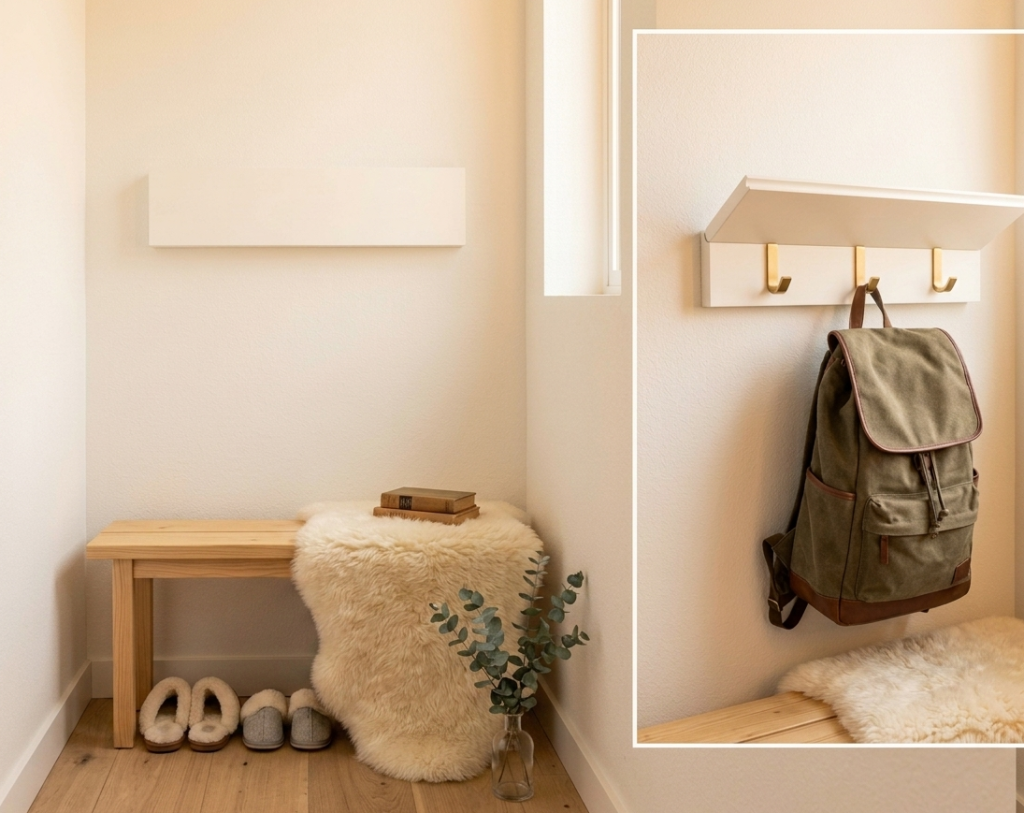
A small wooden bench can look utilitarian. Drape a faux sheepskin or a textured throw over it. The softness invites people to actually sit down to remove shoes. It also adds warmth, which is especially welcoming in winter.
Tips
- Choose a bench with hidden storage underneath.
- Use a washable shearling for high traffic.
- Pair with a single lumbar pillow in a contrasting color.
17: Use a Single Large-Scale Black and White Photo
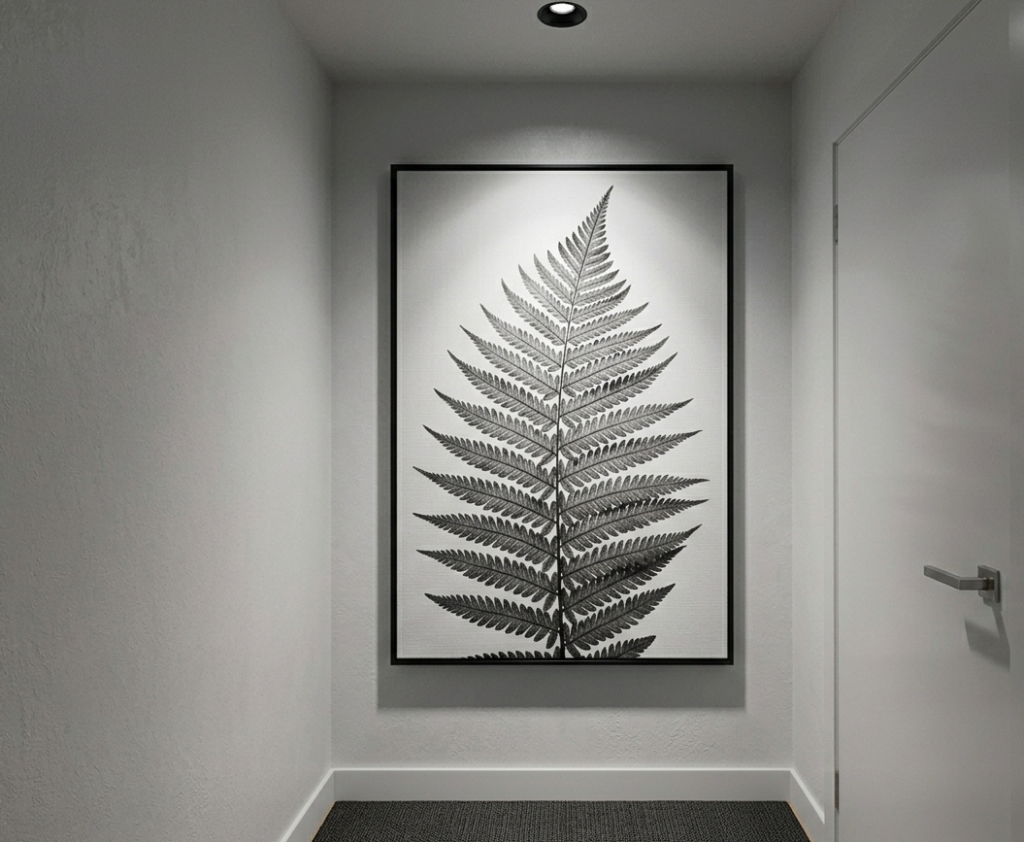
Too many small photos feel busy. One oversized black-and-white photo (or a canvas print) creates instant drama. Stick to simple subjects like architecture, leaves, or a portrait. The lack of color keeps the space calm and visually tidy.
Tips
- Print at least 24 inches wide for impact.
- Use a thin metal or acrylic frame for minimal weight.
- Hang so the center is at 57–60 inches from the floor.
Conclusion
Your small entryway has more potential than you think. From leaner mirrors and drop-leaf tables to clever peg rails and warm painted ceilings, these 17 small entryway decor ideas prove that size doesn’t limit style. Start with just one change like adding a runner rug or a folding hook strip and build from there. Which idea will you try first? Let me know in the comments or save this guide for your next weekend project.
FAQs
What is the best color for a small entryway?
Light, reflective colors work best, such as soft white, pale gray, warm beige, or very light pastels. These shades bounce natural light around the space, making it feel larger. Avoid dark or saturated colors on all four walls, but you can use a bold color on one accent wall or the ceiling.
How can I add storage without a console table?
Use vertical solutions: floating shelves, peg rails, wall-mounted magnetic strips, over-the-door organizers, or a slim shoe cabinet. You can also repurpose a small stool with baskets underneath or hang a fabric pocket organizer on the back of the door.
Should I put a rug in a tiny entryway?
Yes, but choose wisely. A small runner or a 2’x3’ rug defines the zone without overwhelming the floor. Avoid thick, shaggy rugs that create a tripping hazard. Flat-weave, washable rugs are ideal. Leave at least 2 inches of bare floor around all edges to maintain an open feel.