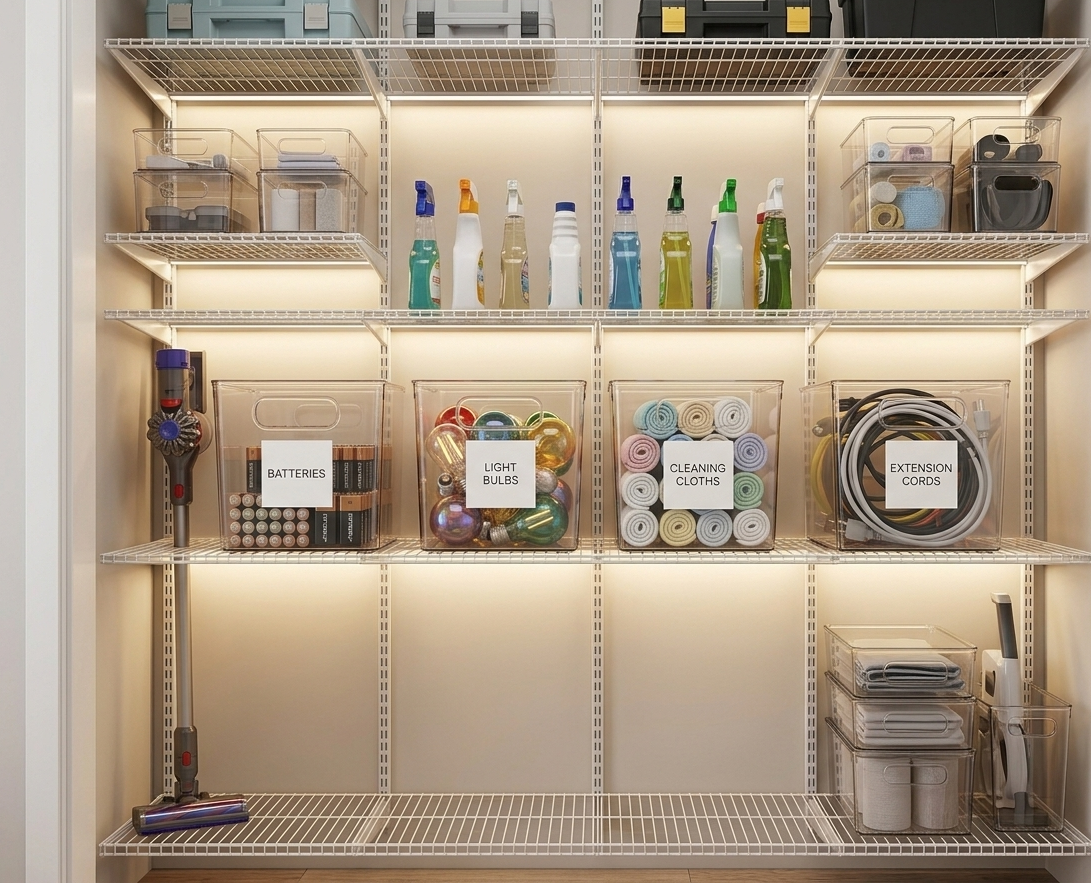
17 Organizing Mistakes That Make Your House Look Messy
You’ve spent hours organizing, bought all the matching bins, and even labeled everything. So why does your home still look messy? The truth is, many well-intentioned organizing strategies actually backfire, creating visual chaos instead of calm. The problem isn’t a lack of effort it’s often the approach. From overcrowded shelves to using the wrong containers, these common mistakes can make even a tidy home feel cluttered and overwhelming. The good news? Once you identify these pitfalls, they’re surprisingly easy to fix. In this article, we’ll uncover 17 organizing mistakes that might be sabotaging your efforts and, more importantly, show you exactly how to correct them. Get ready to transform your home from chaotic to serene.
1: Overcrowding Your Shelves
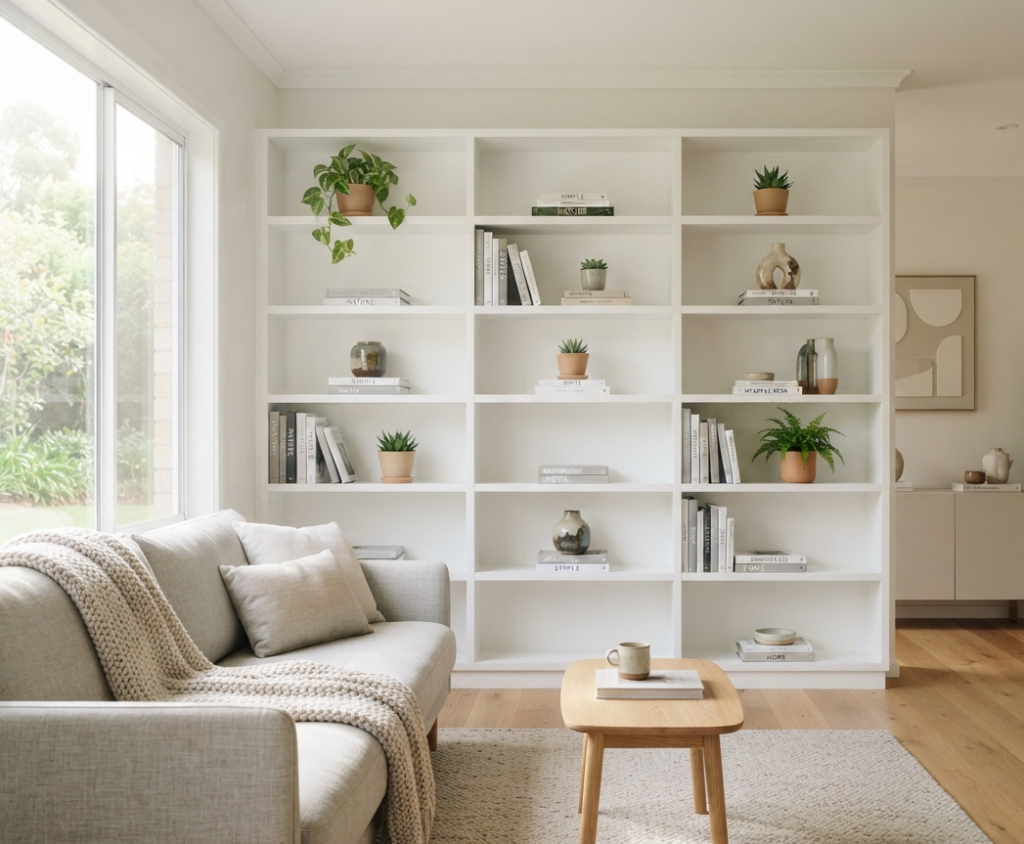
The Mistake: You’ve crammed every available inch of shelf space with books, bins, and decor. Instead of looking organized, your shelves look like they’re about to burst.
The Fix: Embrace the power of white space. Leave about 20-30% of your shelf space empty . This visual breathing room makes the remaining items feel curated and intentional. If you have too many items to display, rotate them seasonally rather than trying to display everything at once.
Tips
- Edit your collection ruthlessly keep only what you love or use
- Arrange items in groups of three for visual appeal
- Use taller items at the back and shorter ones in front
2: Using Too Many Mismatched Containers
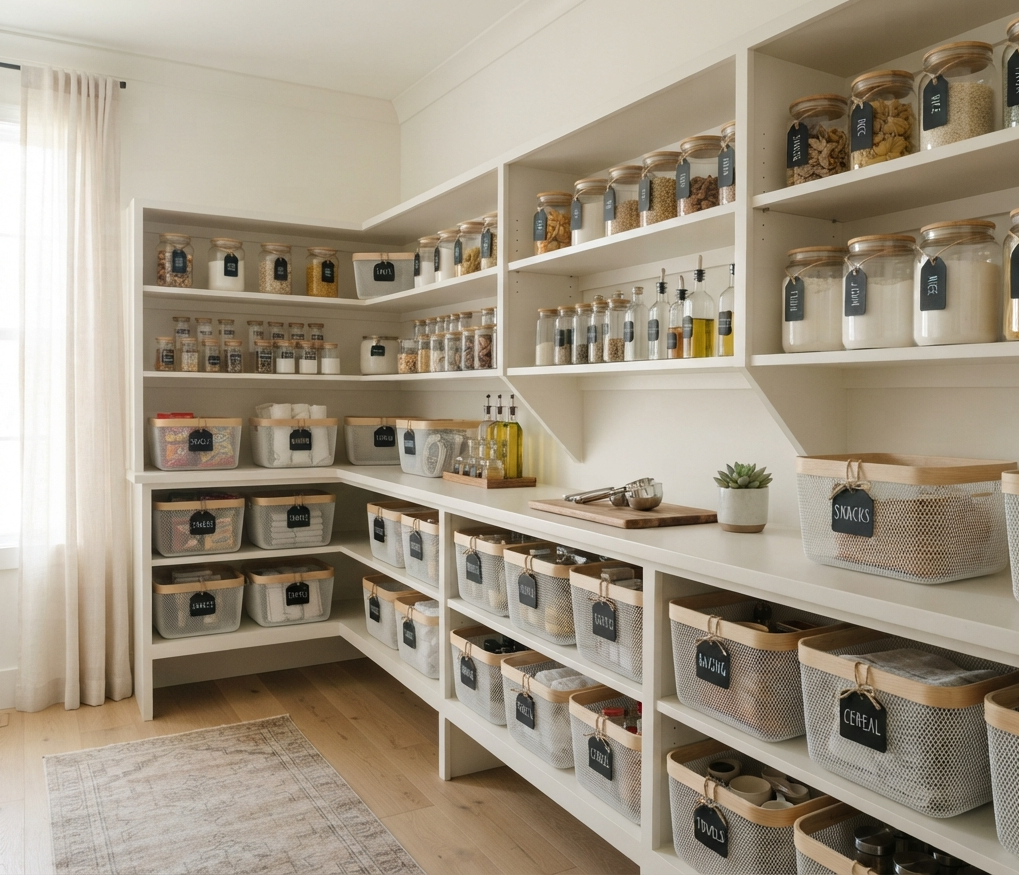
The Mistake: Your shelves are filled with a random assortment of baskets, bins, and boxes in different colors, materials, and patterns. Instead of looking organized, they create visual chaos.
The Fix: Choose containers that are cohesive in color, material, and style . Stick to a uniform palette like all white bins, all woven baskets, or all clear containers. This creates a sense of order and makes the room feel more put-together. It’s not about spending more; it’s about choosing thoughtfully.
Tips
- Stick to one or two container types throughout a room
- Choose neutral colors that blend with your decor
- Remove labels from mismatched containers
3: Not Labeling Your Bins

The Mistake: You’ve spent time organizing items into bins, but now you can’t remember what’s in them. You end up opening three bins before you find what you need, and you forget to put things back.
The Fix: Label everything . Labels create a system that’s easy to maintain because you and everyone in your household know exactly where things belong. It removes the guesswork and makes it much more likely that items will be returned to their designated spots.
Tips
- Use a label maker for a clean, professional look
- Use picture labels for kids or non-readers
- Label both the front and side of bins for easy identification
4: Storing Things Too Deeply
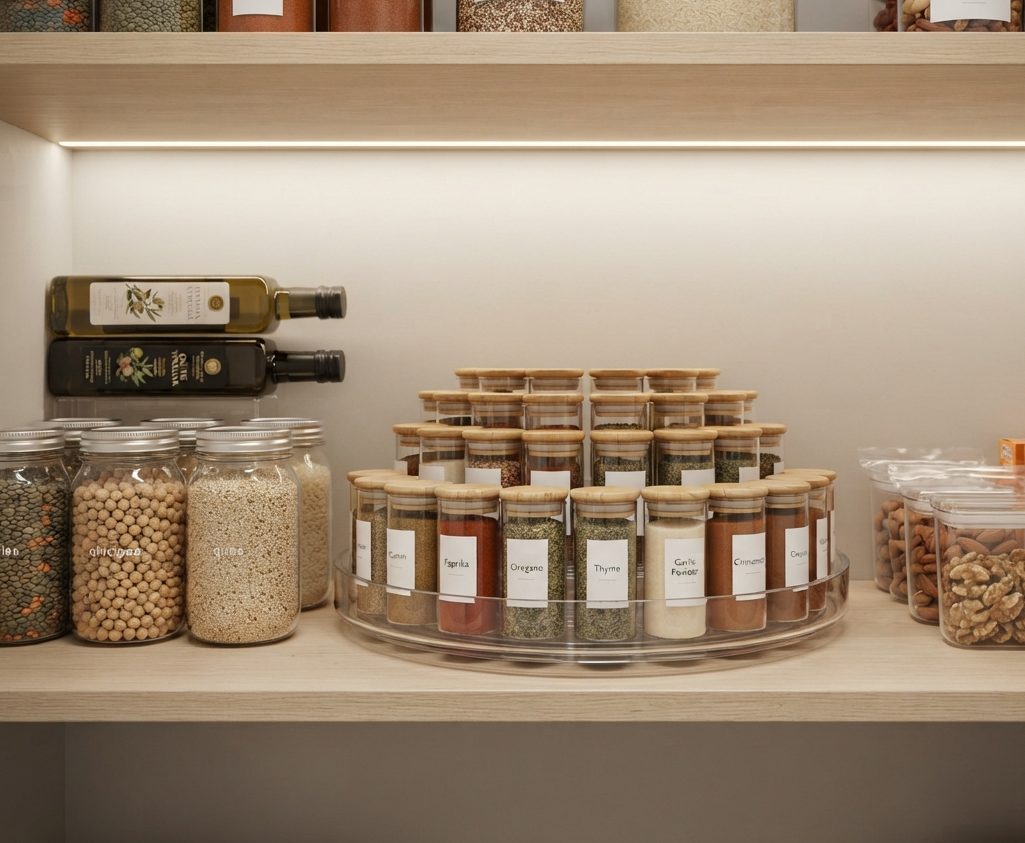
The Mistake: Your pantry or closet shelves are so deep that items get pushed to the back and forgotten. You buy duplicates of things you already own because you can’t see what’s behind the first row.
The Fix: Use shelf risers, turntables (Lazy Susans), or pull-out drawers to make deep shelves more accessible . Store items in a single layer so you can see everything at a glance. If you have deep shelves, designate the front for everyday items and the back for things you rarely use.
Tips
- Use a Lazy Susan for corner or deep cabinets
- Store items in clear bins that slide in and out
- Place taller items at the back and shorter ones in front
5: Hiding Everything

The Mistake: You’ve hidden everything behind closed doors, leaving surfaces bare. The problem is, you can’t find anything, so you end up buying duplicates and your drawers become black holes.
The Fix: Strike a balance between open and closed storage . Keep your daily essentials visible and accessible on open shelves or in clear containers. Use closed storage for items you use less frequently or for those that are visually cluttered (like cables or paperwork). This way, you have both beauty and functionality.
Tips
- Display your most beautiful items on open shelves
- Use closed storage for practical but ugly items
- Create a “landing strip” for daily essentials
6: Not Having a “Home” for Everything

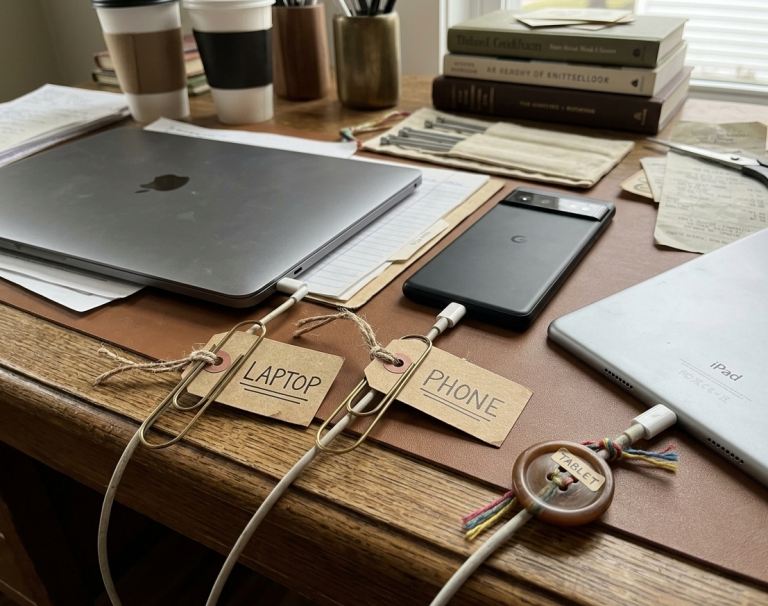
The Mistake: Items float around your house because they don’t have a designated spot. Keys, mail, chargers, and random items end up on every surface because there’s no defined place for them.
The Fix: Give every item in your home a “home” or a designated spot to live. This is the golden rule of organization. When an item has a home, it’s infinitely easier to put it away. It also helps you realize if you have too many items for your available space.
Tips
- Create designated zones for each activity (e.g., mail station, charging station)
- Use trays, bowls, or baskets to corral loose items
- Involve the whole family so everyone knows where things live
7: Keeping Things You Don’t Actually Like

The Mistake: You hold onto items out of guilt, obligation, or the “sunk cost” fallacy the idea that you’ve spent money on it, so you have to keep it, even if you don’t like or use it. This creates visual and mental clutter.
The Fix: Be ruthless about curating your belongings. Keep only what you truly love, need, or use regularly. If an item doesn’t bring you joy or serve a practical purpose, it’s time to let it go. This is the core of the KonMari method. Donate, sell, or recycle items that no longer serve you.
Tips
- Ask yourself: “Does this item bring me joy or serve a purpose?”
- Set a timer for 15 minutes and tackle one category
- Donate items in good condition so they can find a new home
8: Using the Wrong-Sized Containers

The Mistake: You’ve bought containers that are either too big (so items swim around and get lost) or too small (so things are crammed in and hard to access).
The Fix: Measure before you buy. The right size container will fit your items snugly, making them easier to find and return. It’ll also maximize your storage space without wasted areas. This is especially important for drawers, pantries, and closets.
Tips
- Measure shelves and drawers before purchasing containers
- Use adjustable dividers to create custom compartments
- Choose containers that fit the actual size of your items
9: Ignoring Vertical Space

The Mistake: You’ve focused all your organizing energy on countertops and floors, completely ignoring the vertical space available on your walls.
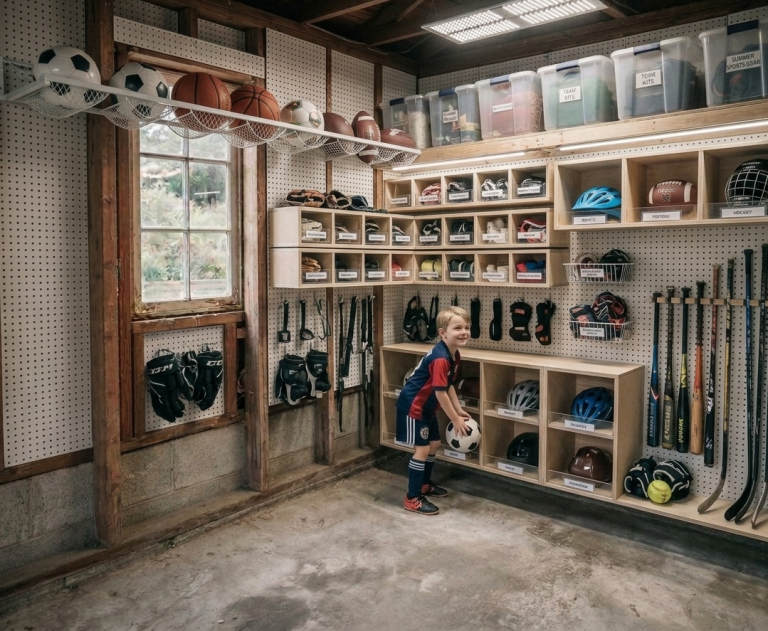
The Fix: Go vertical! Install shelves, hooks, pegboards, or magnetic strips on walls to free up valuable surfaces . A pegboard in the kitchen or a wall of hooks in the entryway can transform how you store everyday items. Vertical storage makes the room feel larger and more organized.
Tips
- Install floating shelves above desks or counters
- Use wall-mounted hooks for bags, coats, and umbrellas
- Try a pegboard for creative, customizable storage
10:Not Maintaining the System

The Mistake: You organize beautifully, but after a few weeks, it all falls apart because you don’t have a maintenance routine. You stop putting things back in their designated spots.
The Fix: Spend just 5-10 minutes each day tidying up. A daily reset is much easier than a massive overhaul every few months. Make it a habit to return items to their homes at the end of each day. A simple 10-minute tidy can prevent clutter from accumulating.
Tips
- Set a daily timer for a 10-minute “power tidy”
- Involve the whole family in a 5-minute cleanup before bed
- Keep a donation bag ready for items that no longer belong
11: Buying Organization Products First

The Mistake: You go to the store, buy a bunch of pretty bins and baskets, and then try to force your items into them without first knowing what you actually have.
The Fix: Organize first, then buy. Before you spend a dime on containers, you need to declutter and see what you’re actually keeping. This way, you buy the right containers for the items you have. You’ll save money and find the perfect solution for your specific needs.
Tips
- Declutter and sort your items first
- Measure your space and your items
- Buy products that match your actual storage needs
12: Organizing by Aesthetic Instead of Function

The Mistake: You organize according to a Pinterest-worthy aesthetic rather than how you actually use your space. You end up with an impractical system that looks good but is impossible to maintain.
The Fix: Form should follow function. Organize based on your daily routines and habits. Store items where you actually use them, and prioritize accessibility over appearance. A system that works for your life will feel effortless and stay organized longer.
Tips
- Observe your habits for a week before organizing
- Store items where you use them most
- Prioritize convenience over visual perfection
13: Ignoring Hidden Storage

The Mistake: You’ve completely overlooked hidden storage opportunities, like the back of doors or the space above cabinets.
The Fix: Look for hidden potential. Over-the-door organizers, under-bed storage, and even the space above the refrigerator can become valuable storage zones . These spots are especially useful for small spaces, making your home feel much more organized without any structural changes.
Tips
- Use the inside of pantry doors for spice racks
- Store out-of-season clothes in under-bed boxes
- Use a tension rod in cabinets to hang spray bottles
14: Keeping Too Many Duplicates
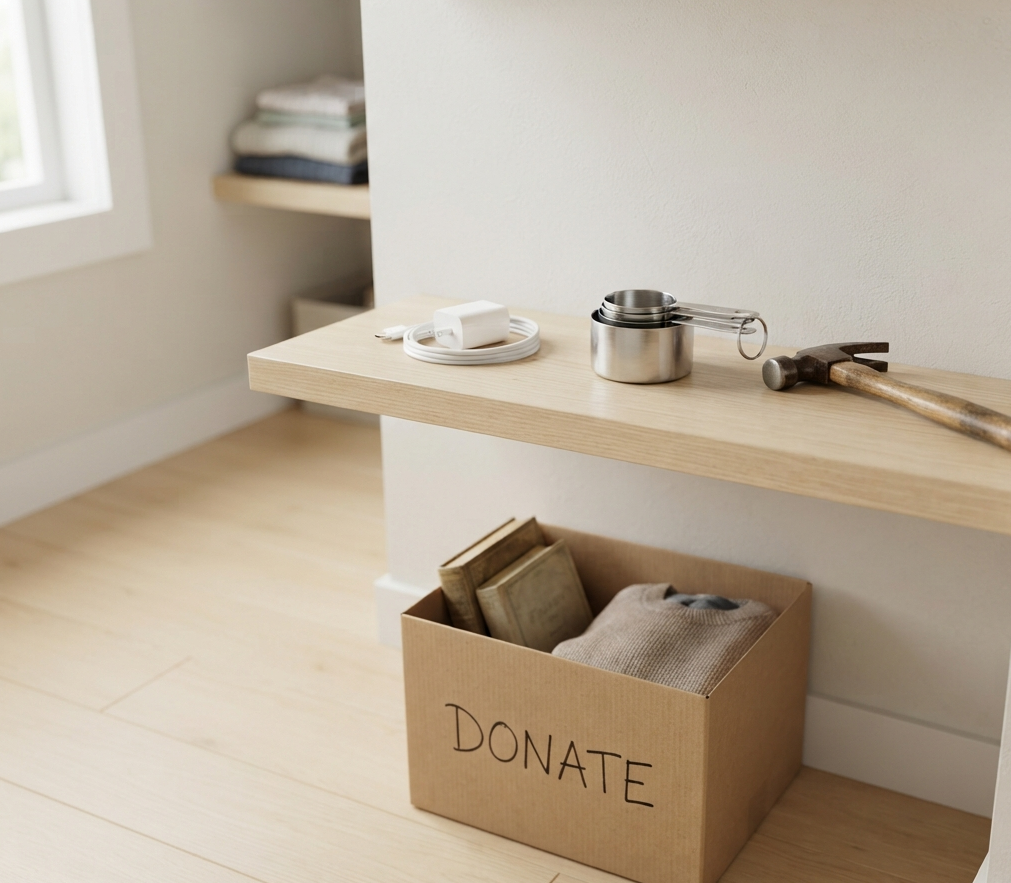
The Mistake: You have multiples of items you only need one of, taking up valuable space and causing unnecessary clutter.
The Fix: Donate or discard duplicates. The only duplicates you need are those you specifically use regularly (like an extra phone charger). Keep only what you truly use, and donate the rest to someone who can actually use them. This will free up significant space and make your existing items easier to find.
Tips
- Keep only the best version of a duplicate item
- Donate duplicates to a local charity
- Consider sharing items with friends or neighbors
15: Storing Items Without a “One In, One Out” Rule

The Mistake: You bring new items into your home without removing old ones, leading to a slow accumulation of clutter.
The Fix: Implement a strict “one in, one out” rule. When you buy something new, force yourself to donate, sell, or discard a similar item you already own. This rule ensures your collection stays a manageable size, and it makes you more mindful of your purchases.
Tips
- For every new clothing item, donate an old one
- For every new book, donate or sell an old one
- Apply the rule to all categories: tools, kitchenware, decor
16: Not Storing Items Near Their Use Point

The Mistake: You store items far from where you use them, making it harder to put things away and encouraging clutter.
The Fix: Store items as close to their point of use as possible. For example, store dishwashing detergent under the kitchen sink, not in a distant laundry room. Store cleaning supplies under the sink or in the room where you use them the most. This simple rule makes it much easier to return items to their homes.
Tips
- Store spices near the stove
- Keep cleaning supplies under the relevant sink
- Place work items near your desk
17: Being Too Sentimental

The Mistake: You hold onto items for sentimental reasons, even if they’re damaged, unusable, or visually cluttered.
The Fix: It’s okay to be sentimental, but you need to curate your keepsakes. Keep the items that truly matter, display them beautifully, and let go of the rest. Consider taking a photo of sentimental items you don’t need to physically keep. This frees up space while still preserving the memory.
Tips
- Select a small collection of your most meaningful items
- Display sentimental items proudly
- For the rest, take a photo and donate the physical item
Conclusion
Organizing your home doesn’t have to be a constant battle. By avoiding these 17 common mistakes, you can create a system that actually works for your life and keeps your home looking beautiful and serene. The key is to focus on functionality, choose the right tools for your needs, and maintain the system you’ve built. Remember: a truly organized home is about creating a space that supports your daily routines and brings you peace, not just about checking a box. So, which mistake will you tackle first?
FAQs
Why does my house still look messy even after I organize?
You might be making one of the common mistakes listed above, like overcrowding shelves, using mismatched containers, or not having a “home” for everything. Try tackling these specific issues one by one.
What’s the first step to fixing a messy house?
The very first step is to declutter. Get rid of items you don’t love, need, or use. You can’t organize clutter. Once you’ve decluttered, you can start building an organizing system.
How can I keep my home organized long-term?
Establish a daily 10-minute tidy routine, implement a “one in, one out” rule, and involve the whole family in maintaining the system. Consistency is more important than perfection.
Should I buy organizing products first?
No! Always declutter and sort your items first. This way, you know exactly what you have and what containers you actually need, saving you money and frustration.
How do I organize if I have a lot of sentimental items?
Keep the items that truly matter and display them proudly. For the rest, consider taking a photo to preserve the memory and donate the physical item to free up space.