Tiny Dining Room Solutions: 12 Smart Ideas
Does your dining room feel more like a closet than a place to enjoy a meal? You’re not alone. Millions of homeowners and apartment dwellers face the challenge of squeezing a functional, beautiful dining area into a tiny footprint. The good news? You don’t need a renovation or a bigger home. With the right tiny dining room solutions, you can transform even the smallest nook into a welcoming space for weeknight dinners and weekend gatherings. From space-saving furniture to clever optical illusions, this guide delivers 12 practical, stylish ideas. Let’s turn your space constraint into a design advantage.
1: Drop-Leaf Table Against the Wall

A drop-leaf table is the ultimate shape-shifter for small spaces. Keep it folded down as a slim console most of the time, then lift one or both leaves when you need room for plates, laptops, or guests. This style works especially well in studio apartments or narrow eat-in kitchens.
Tips
- Place it near an outlet so you can use it as a standing desk too.
- Choose a table with wheels for even more flexibility.
- Look for a model with built-in storage drawers underneath.
2: Round Pedestal Table for Flow
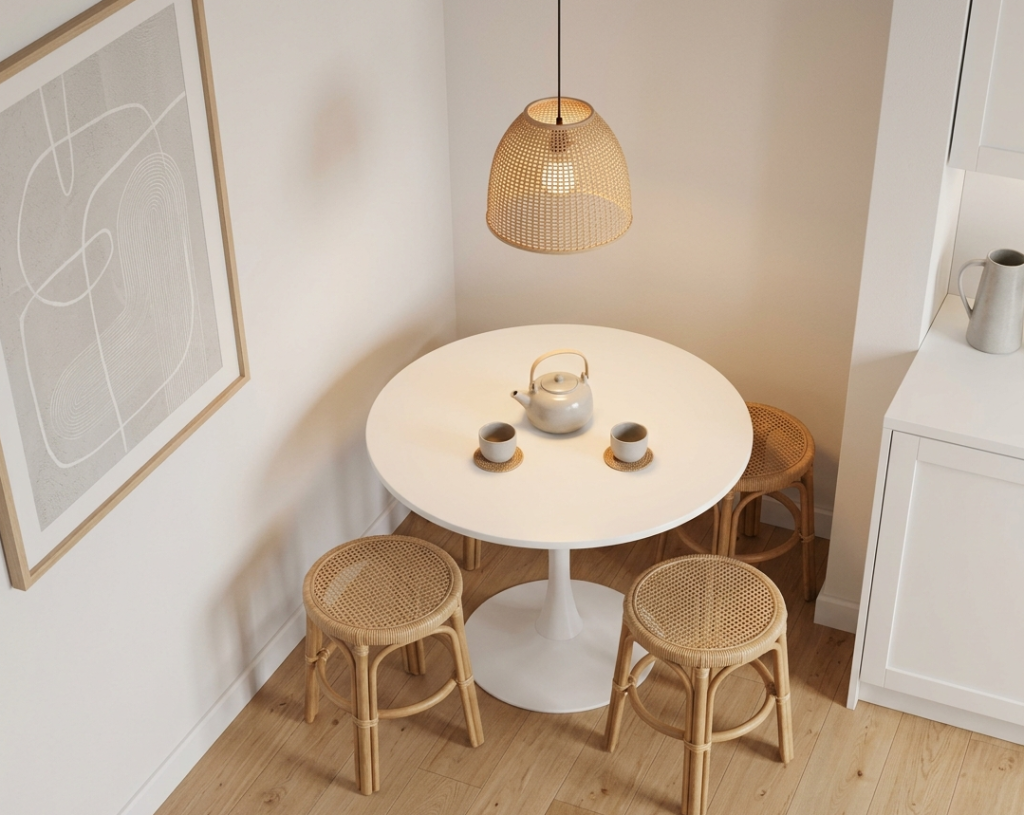
Square and rectangular tables waste corner space and block traffic. A round pedestal table eliminates sharp edges and allows chairs to tuck in completely. The single central leg means no awkward corner legs getting in the way of your knees or your vacuum cleaner.
Tips
- Stick to a diameter of 36 inches or less for very tight spots.
- Use backless stools that slide entirely underneath.
- A glass top visually disappears, making the room feel larger.
3: Banquette Seating in a Corner
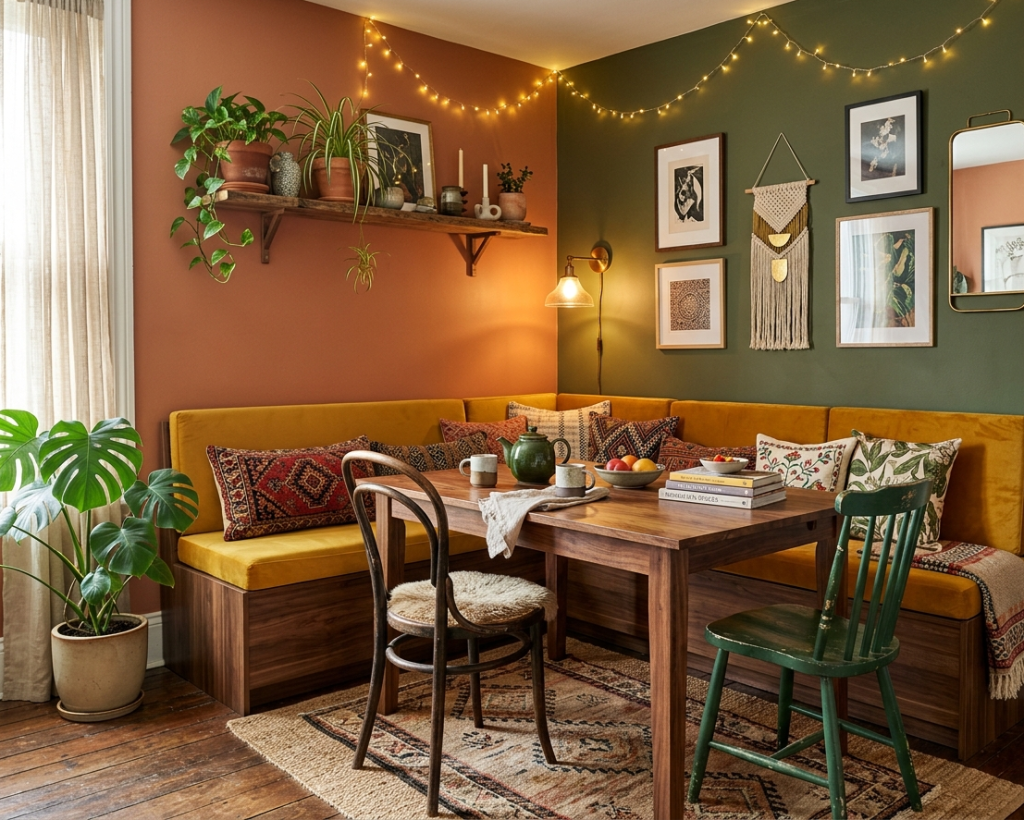
A built-in banquette turns an unused corner into a cozy dining zone. It fits snugly against two walls, saving floor space that chairs would otherwise need. Under the cushioned seat, add lift-up lids or drawers for storing napkins, placemats, or extra serving bowls.
Tips
- Keep the backrest low to avoid blocking light or sightlines.
- Pair with a narrow rectangular table that matches the banquette depth.
- Use a washable, stain-resistant fabric for everyday meals.
4: Wall-Mounted Folding Table
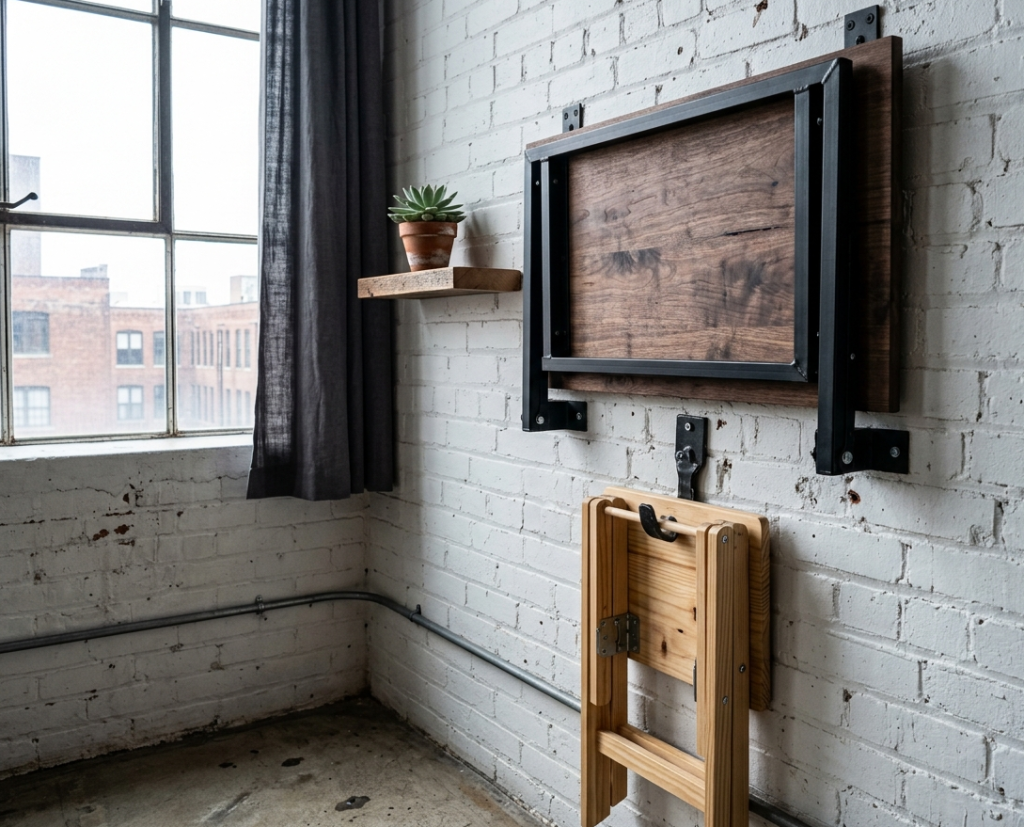
When floor space is precious, go vertical. A wall-mounted folding table attaches to any wall and folds completely flat when not in use. Some models include a chalkboard or cork surface on the back for notes and menus. It’s the ultimate “now you see it, now you don’t” solution.
Tips
- Install at bar height (40–42 inches) to double as a standing desk.
- Use folding stools that hang on nearby wall hooks.
- Add a small mirror above to expand the feeling of space.
5: Clear Acrylic or Glass Furniture

Transparent furniture is a magician’s trick for small dining rooms. A clear acrylic table and ghost chairs disappear visually, making the room feel open and unblocked. Light passes through instead of bouncing off bulky surfaces, which reduces visual clutter.
Tips
- Smudges show easily, so keep microfiber cloths nearby.
- Pair with a colorful rug to anchor the floating look.
- Avoid frosted glass clear is best for the illusion of space.
6: Narrow Bench Instead of Individual Chairs
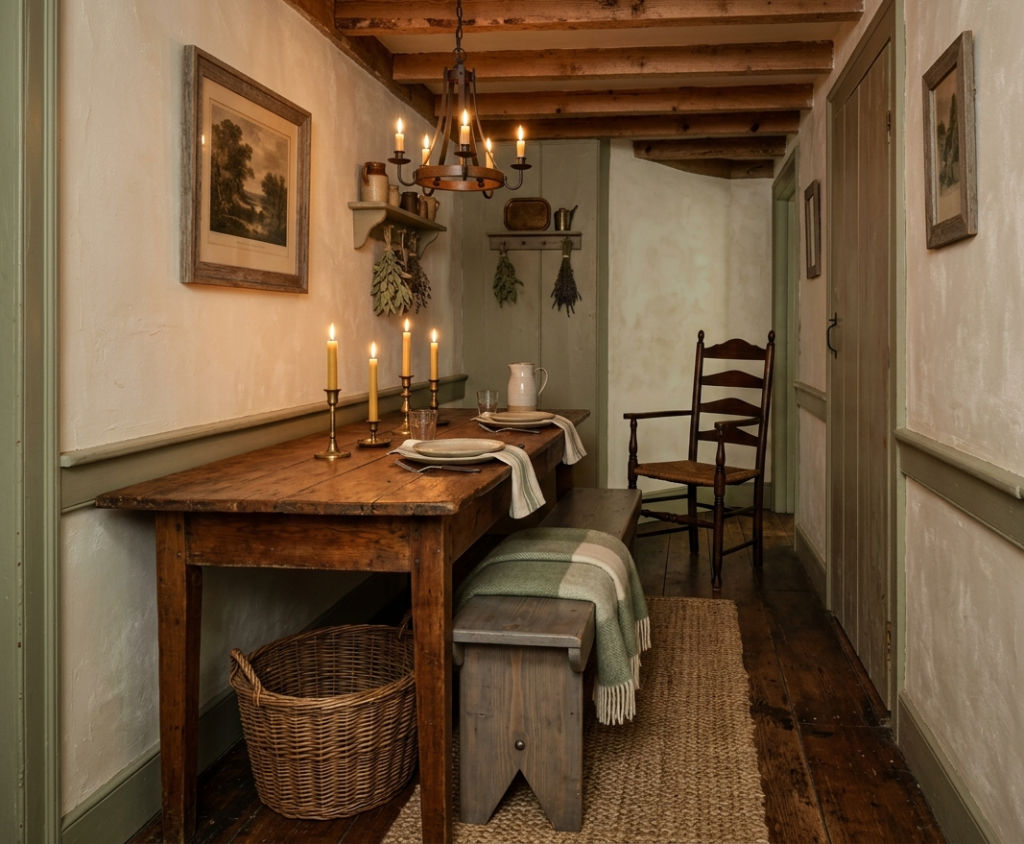
A long, slim bench takes up less visual space than several individual chairs. It slides completely under the table when not in use and can seat two or three people. Bonus: you can DIY one from a sturdy wooden board and four hairpin legs.
Tips
- Keep bench depth under 15 inches for easy tucking.
- Add a thin cushion with ties to prevent slipping.
- Use a second bench on the opposite side for symmetry.
7: Extendable Table for Flexibility

Live alone but host occasionally? An extendable table stays compact 90% of the time and expands when company arrives. Look for a “butterfly leaf” design where the leaf stores inside the table itself no searching for a hidden piece.
Tips
- Measure your room expanded AND collapsed before buying.
- Choose a model with locking casters for easy movement.
- Avoid heavy solid wood if you’ll move it often.
8: Floating Shelves as a Sideboard
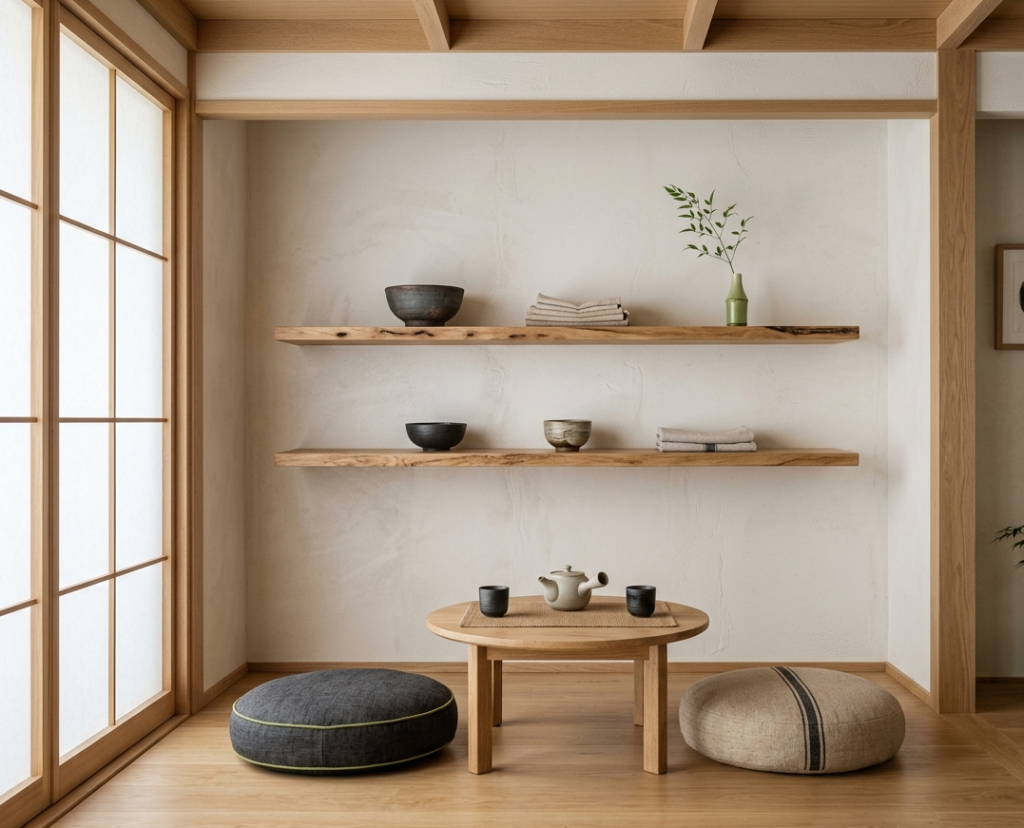
A bulky sideboard or buffet is impossible in a tiny dining room. Instead, install floating shelves at waist height. They hold dishes, napkins, and small decor without eating up floor space. Use baskets on shelves to hide less attractive items.
Tips
- Anchor shelves into wall studs for weight support.
- Leave 12 inches of clearance above for plates and bowls.
- Install a magnetic strip underneath for knife or utensil storage.
9: Oversized Artwork to Expand the Eye
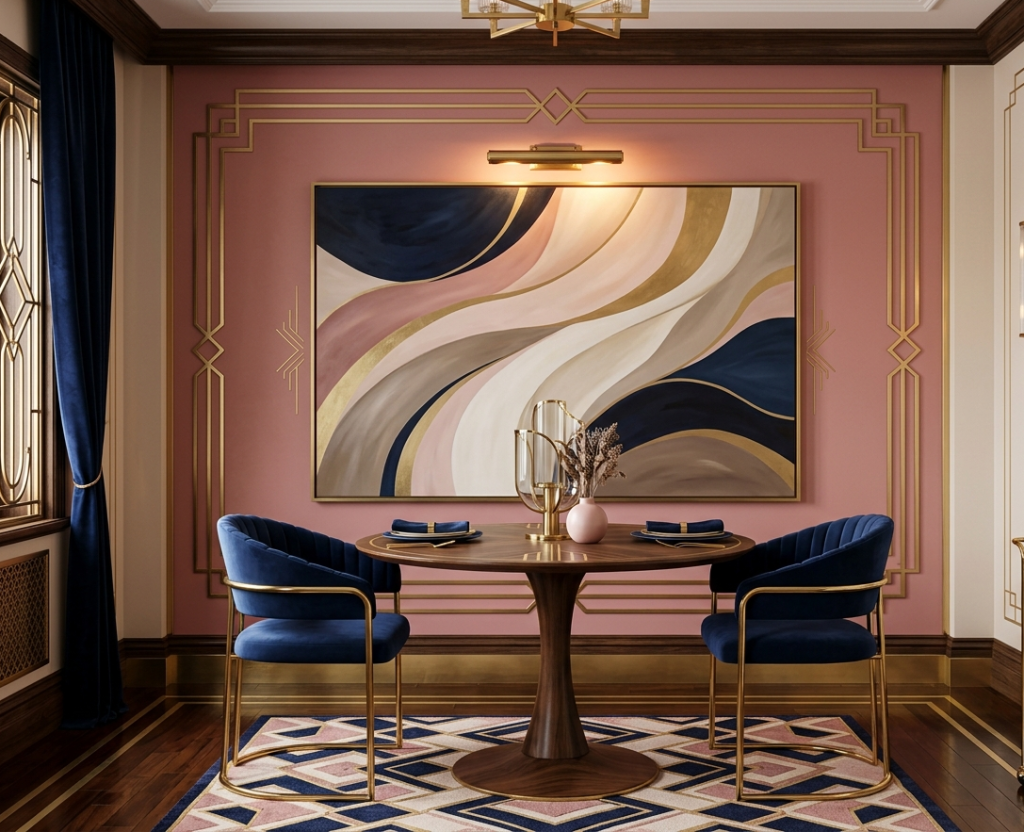
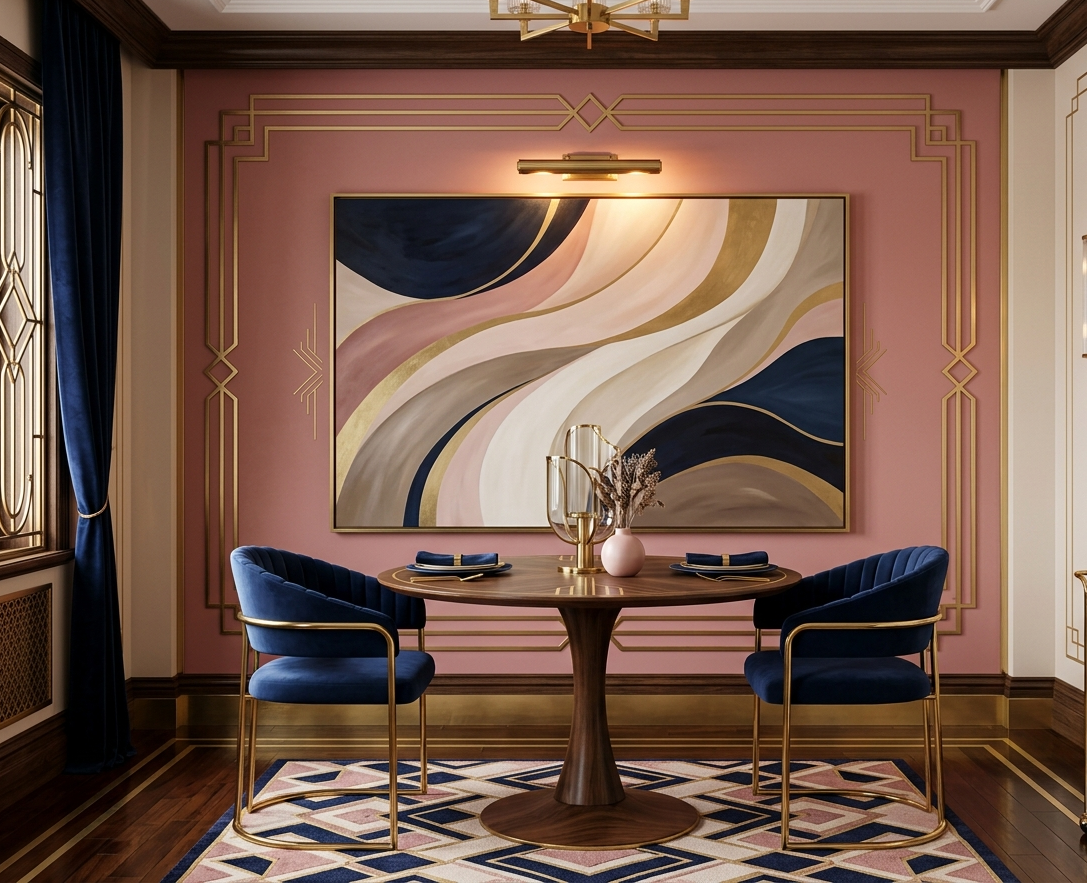
Paradoxically, one large piece of art makes a small dining room feel bigger than several small ones. A single big canvas draws the eye upward and outward, reducing the cramped feeling. Hang it at eye level on your main dining wall.
Tips
- Choose art with light backgrounds and open composition.
- Use a mirror instead to double the room visually.
- Avoid busy gallery walls in very tight spaces.
10: Bar Cart as a Movable Dining Station
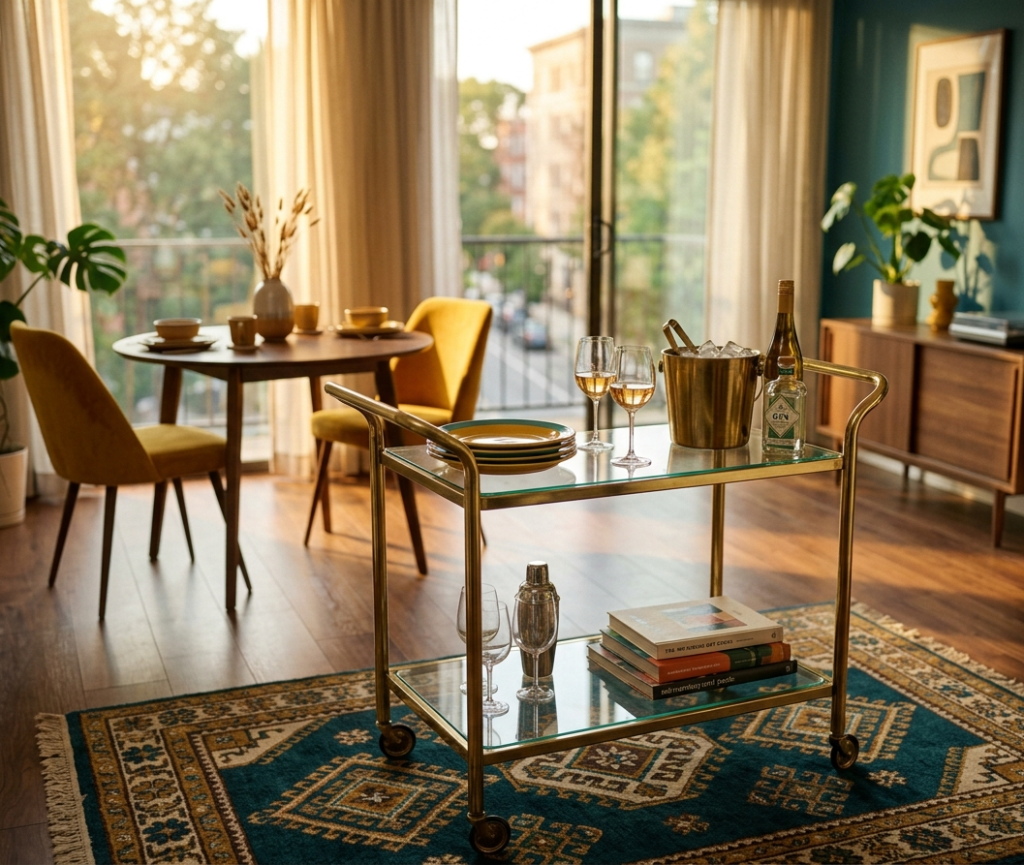
Why limit yourself to one spot? A rolling bar cart can serve as a side table, a serving station, or even a tiny dining surface for one person. When guests arrive, move it next to the main table for extra prep space. After dinner, roll it away.
Tips
- Look for a cart with a drop-leaf top for more surface area.
- Use the bottom shelf for folded napkins and placemats.
- Add a small vase and a candle to keep it decorative.
11: Light Color Palette on Walls and Furniture

Dark colors absorb light and make walls feel closer. A light, monochromatic palette think white, ivory, pale gray, or soft blush reflects natural and artificial light, tricking the eye into seeing more square footage. Paint your ceiling two shades lighter than walls for extra height.
Tips
- Glossy or semi-gloss paint reflects more light than matte.
- Match your table and chairs to the wall color for seamlessness.
- Introduce texture (linen, wool, wood) instead of dark colors.
12: Corner Shelves Above Head Height
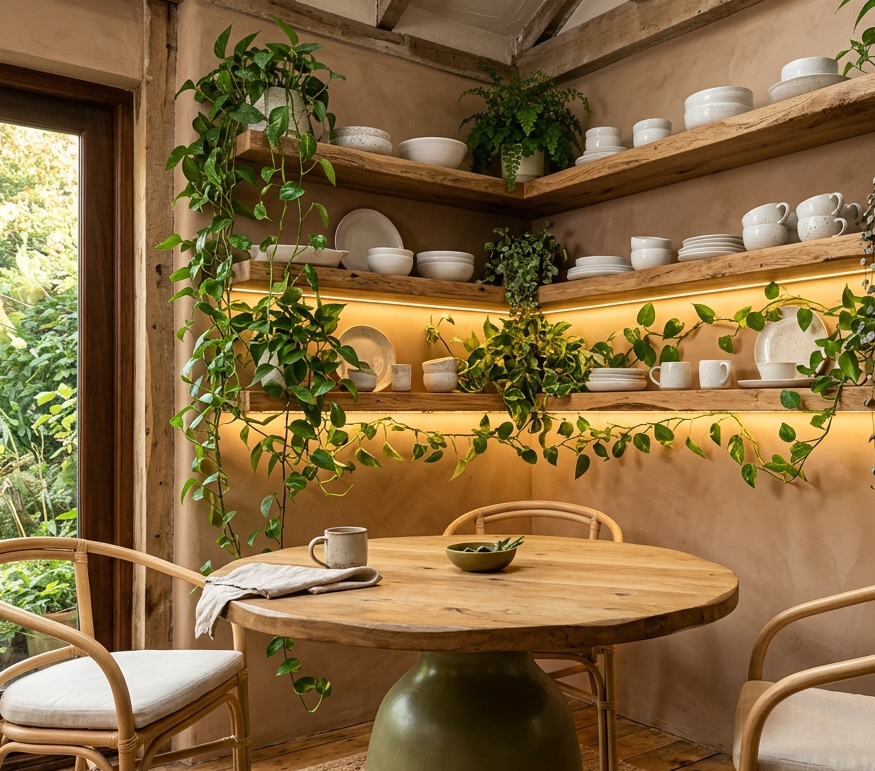
Don’t ignore the vertical space above your head. Corner floating shelves mounted high (70+ inches) store decorative plates, small plants, or cookbooks without interfering with seated heads or walking paths. It’s storage that completely disappears from daily view.
Tips
- Use L-shaped corner shelves for a custom fit.
- Store lightweight items only no heavy dishware.
- Add a small LED strip underneath for subtle accent lighting.
Conclusion
Small dining rooms don’t have to feel small-minded. With these 12 tiny dining room solutions, you can create a functional, stylish eating space that fits your life not the other way around. Start with one or two ideas that speak to your biggest pain point, whether that’s storage, seating, or flow. Then layer in more as you go. Which solution will you try first? Drop a comment below and share your own small-space win!
FAQs
What is the best table shape for a tiny dining room?
Round or oval tables are best because they have no sharp corners to block traffic. A round pedestal table, in particular, allows chairs to tuck completely underneath and offers more legroom than four-legged square tables.
How do I make a small dining room look bigger without renovating?
Use a light color palette, add a large mirror on one wall, choose clear acrylic furniture, and keep surfaces clutter-free. Also, hang curtains high and wide to make windows appear larger.
Can I fit a dining table in a 6×6 foot room?
Yes. A 30-inch square or 36-inch round table comfortably seats two to three people in a 6×6 space. Pair with backless stools or a narrow bench that slides fully under the table when not in use.