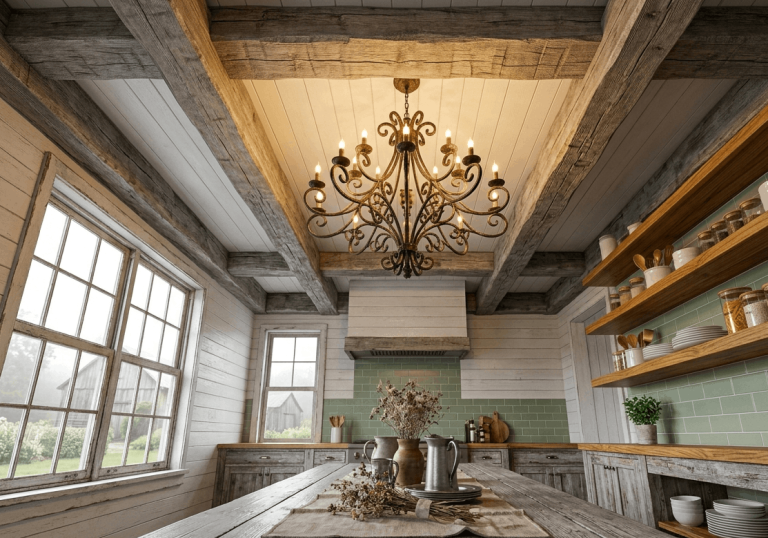
14 Pantry Cabinet Ideas for a Clutter-Free Kitchen
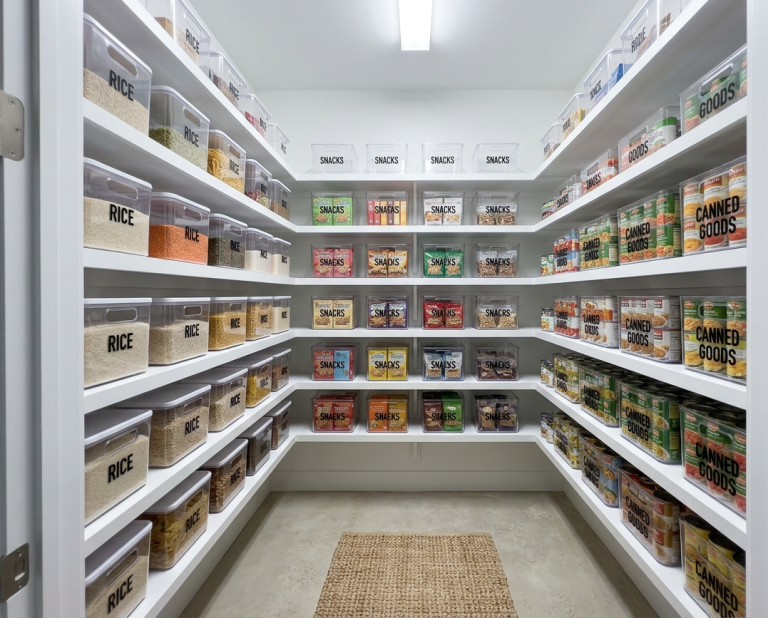
Let’s be honest kitchen clutter happens to the best of us. Canned goods get lost, snack bags pile up, and suddenly your pantry looks like a disaster zone. The good news? You don’t need a massive walk-in pantry to fix the chaos. The right pantry cabinet ideas can turn even the smallest kitchen into an organized, beautiful space.
Whether you’re renovating or just refreshing, smart cabinet design saves time, money, and frustration. From pull-out drawers to rustic freestanding units, these 14 ideas blend style and function. Ready to reclaim your kitchen? Let’s dive in.
1: Pull-Out Pantry Cabinet
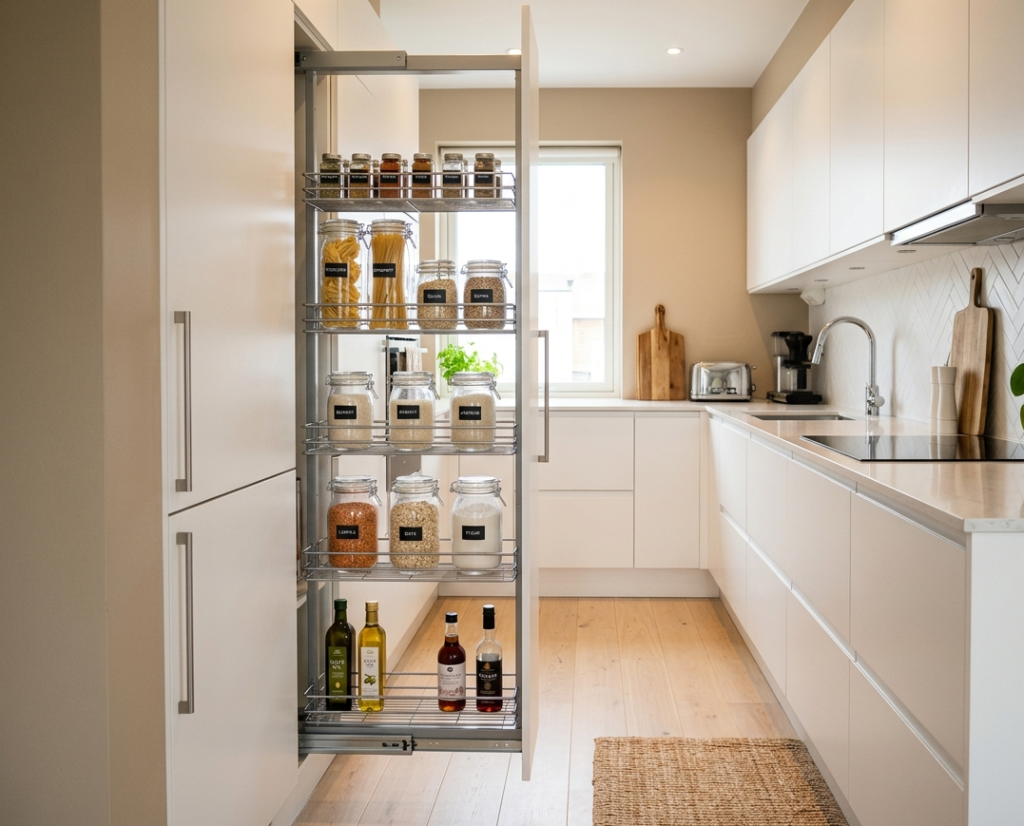
A pull-out pantry cabinet is a narrow, tall unit that slides out like a drawer. It’s perfect for tight spaces between appliances or next to the fridge. These cabinets make every inch of depth usable no more reaching into dark corners.
You can store spices, canned goods, oils, and dry ingredients on multi-level shelves. The sliding mechanism gives you full visibility at once. Many homeowners install two skinny units side-by-side for a symmetrical look. Choose soft-close slides for a premium feel and quieter operation.
Tips
- Install pull-out pantries near the cooking zone for easy access while you cook.
- Use clear containers or baskets to keep small items from tipping over.
- Label shelves by category (breakfast, baking, snacks) for faster stocking.
2: Glass-Front Pantry Cabinet
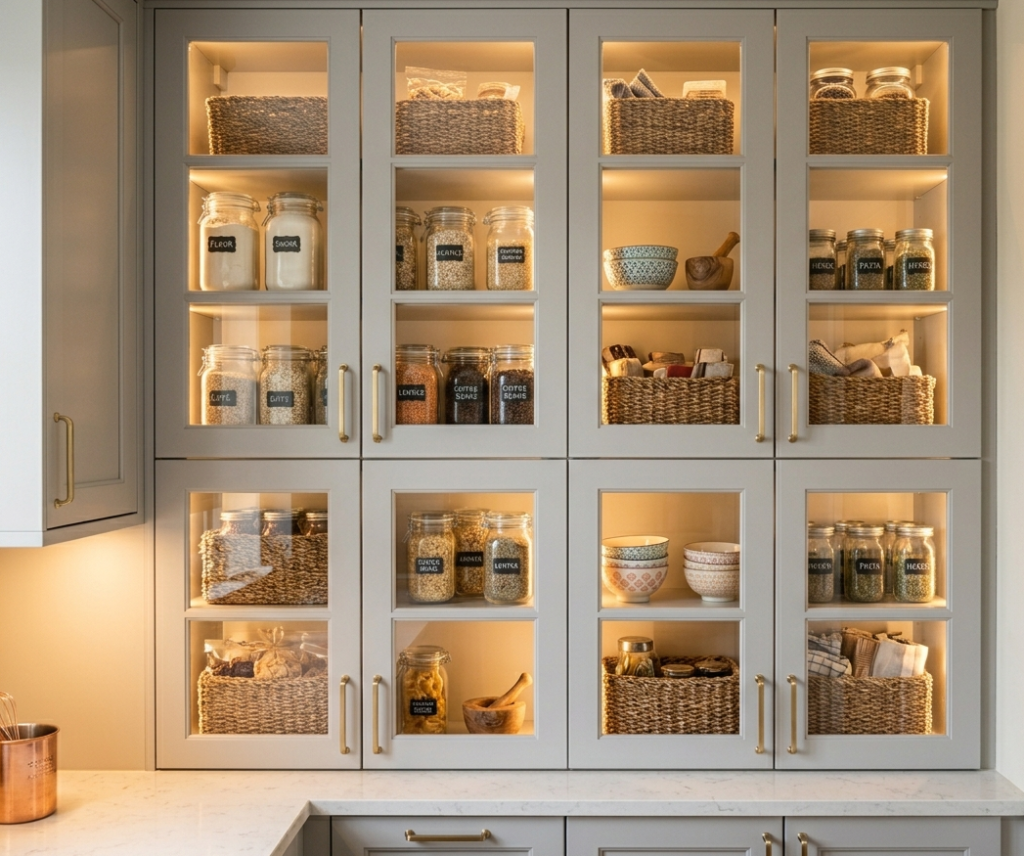
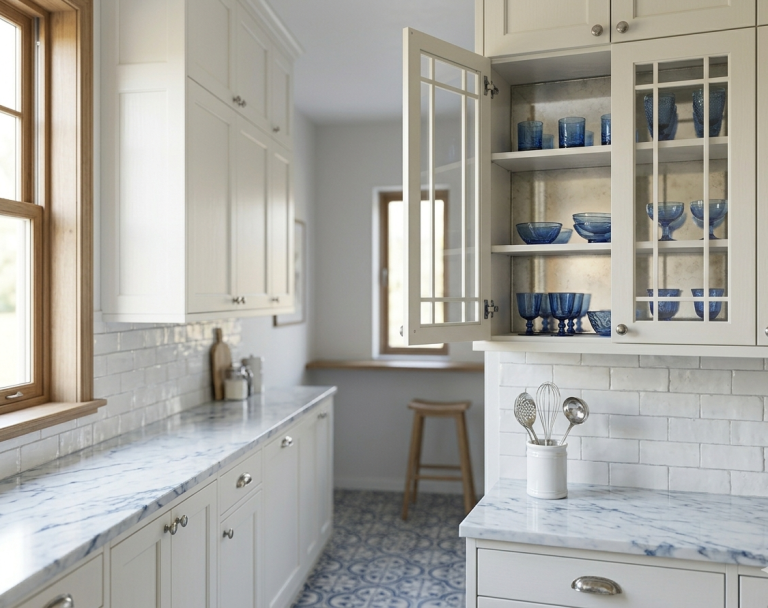
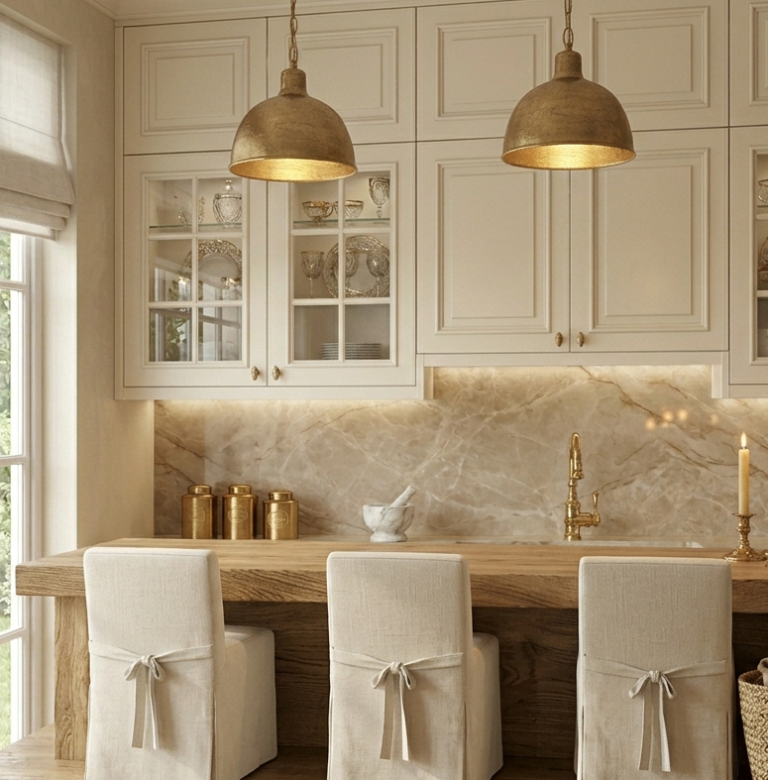
Glass-front pantry cabinets turn your dry goods into a design feature. Instead of hiding everything behind solid doors, you create a curated display. Use them for pretty canisters, colorful cereal boxes, or woven baskets with labels. The transparency also encourages you to keep things tidy.
You can choose clear glass, frosted, or seeded glass depending on your privacy preference. Frosted glass hides slight messes while still looking bright. Inside, add LED strip lighting on each shelf to highlight contents and make the cabinet glow at night.
Tips
- Arrange items by height tallest in the back, shortest up front.
- Stick to a consistent container style (all glass or all white ceramic) for a cohesive look.
- Clean glass doors weekly with a streak-free spray to maintain the elegance.
3: Freestanding Armoire Pantry

No built-in cabinets? No problem. A vintage or modern armoire repurposed as a pantry adds character while solving storage issues. These pieces work beautifully in rental kitchens or homes where permanent changes aren’t possible.
Look for a tall wooden armoire with adjustable shelves and solid doors. Paint it to match your kitchen or keep the original wood tone for warmth. Inside, use tension rods to hang spray bottles, and add pull-out baskets for potatoes and onions. The armoire becomes a statement piece and a workhorse.
Tips
- Attach adhesive hooks inside the doors for measuring spoons and oven mitts.
- Use shelf risers to double your vertical storage for cans and jars.
- Place the armoire against the wall farthest from the stove to avoid heat damage.
4: Floor-to-Ceiling Pantry Wall
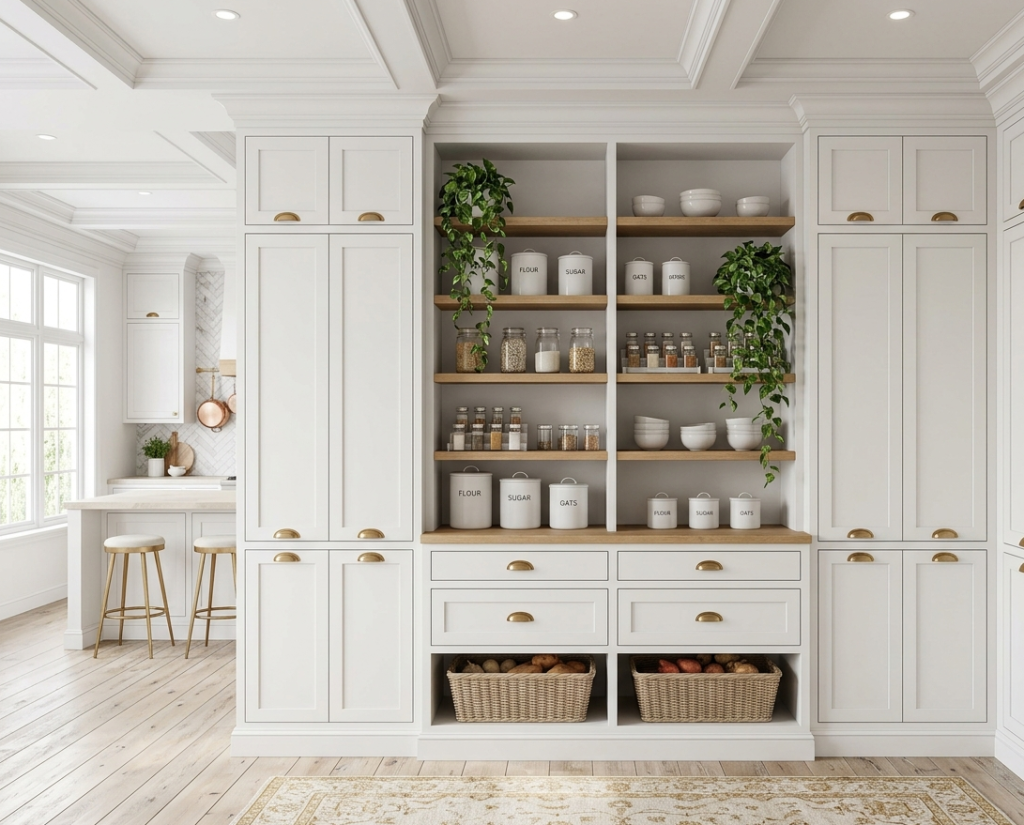
Maximize every vertical inch with a floor-to-ceiling pantry wall. This idea works best during a kitchen remodel but can also be retrofitted. One entire wall becomes your pantry, with cabinets reaching the ceiling. You’ll gain astonishing storage for bulk items, small appliances, and weekly groceries.
Use upper cabinets for light, rarely-used items like holiday bakeware. Lower cabinets with deep drawers hold heavy pots or large flour bags. Leave a middle section open for a countertop and coffee station. The key is planning door swings and walkway clearance.
Tips
- Install a library ladder on rails to reach top shelves safely.
- Use pull-out base cabinets for heavy items like canned goods or soda packs.
- Store pretty cookbooks on an open shelf section for visual break.
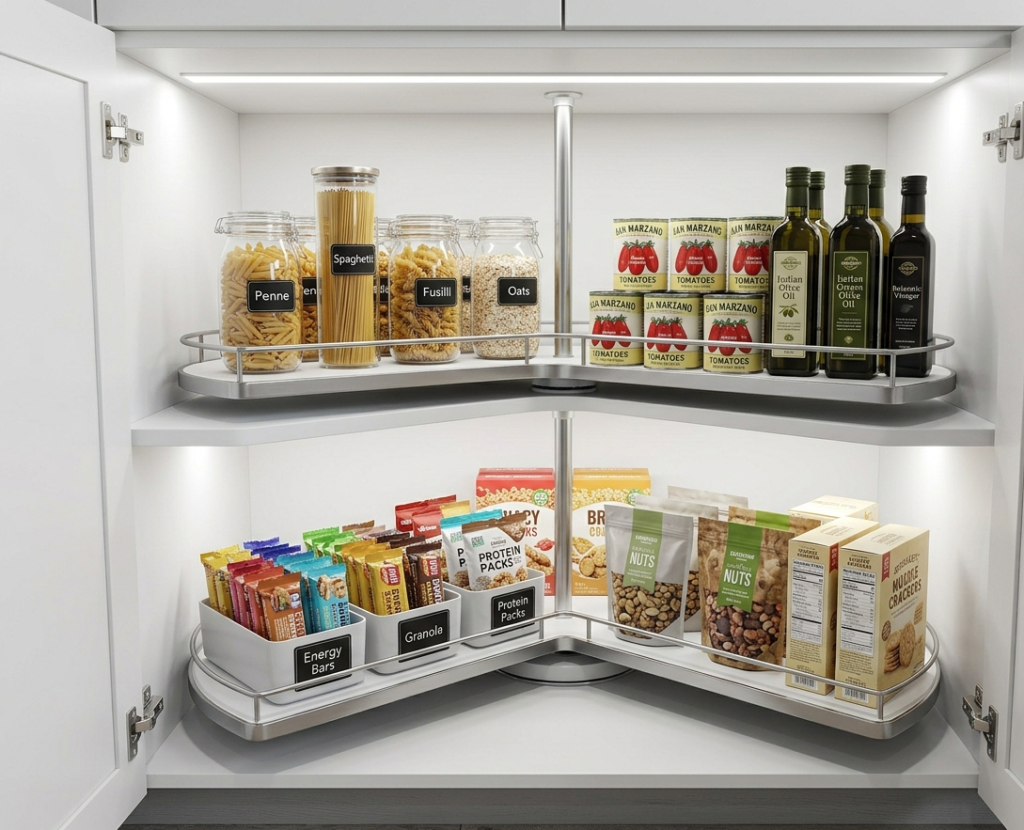
Corner cabinets often become dead zones. But a dedicated corner pantry cabinet with a lazy susan completely solves the problem. These pie-shaped or kidney-shaped rotating shelves bring everything to you with a simple spin.
You can install one large lazy susan or stack two for separate levels. Use the inner circle for smaller items like spice jars and the outer edge for bulkier cans. The rotating mechanism means no more lost items in the back. Pair it with full-extension slides for smooth operation.
Tips
- Store like items together on one wedge all baking supplies on one pie slice.
- Add non-slip liners to prevent jars from sliding during rotation.
- Choose a blind-corner pull-out if you prefer shelves to a lazy susan.
6:
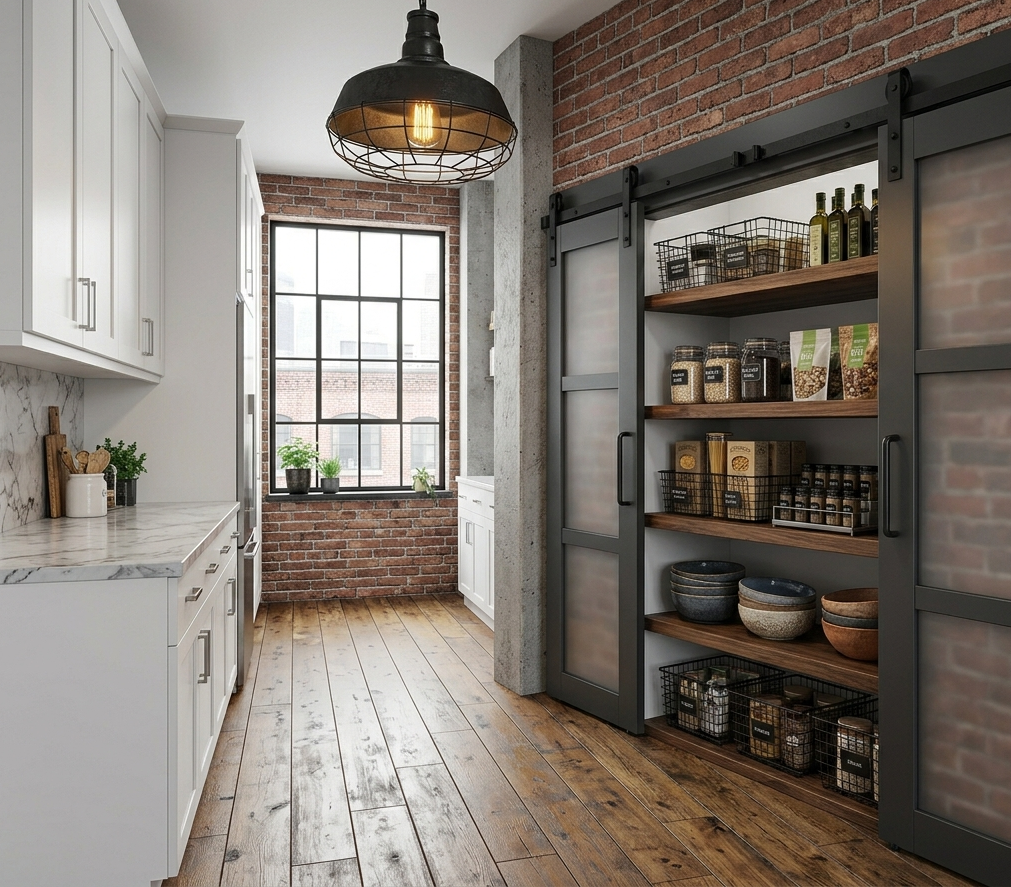
Barn doors aren’t just for living rooms. A pantry cabinet with sliding doors saves swing space while adding rustic or industrial charm. This is ideal for narrow kitchens where hinged doors would block walkways.
The doors glide on a top-mounted track, so you don’t need floor clearance. You can use reclaimed wood, frosted glass, or even chalkboard sliders. Inside, install open shelving without doors to worry about. The sliding mechanism also lets you leave one side open while accessing both sections.
Tips
- Use chalkboard paint on one slider to write grocery lists.
- Add soft-close mechanisms to prevent noisy slamming.
- Keep heavy items on lower shelves since sliding doors can vibrate loose items over time.
7: Open Pantry Shelving Cabinet
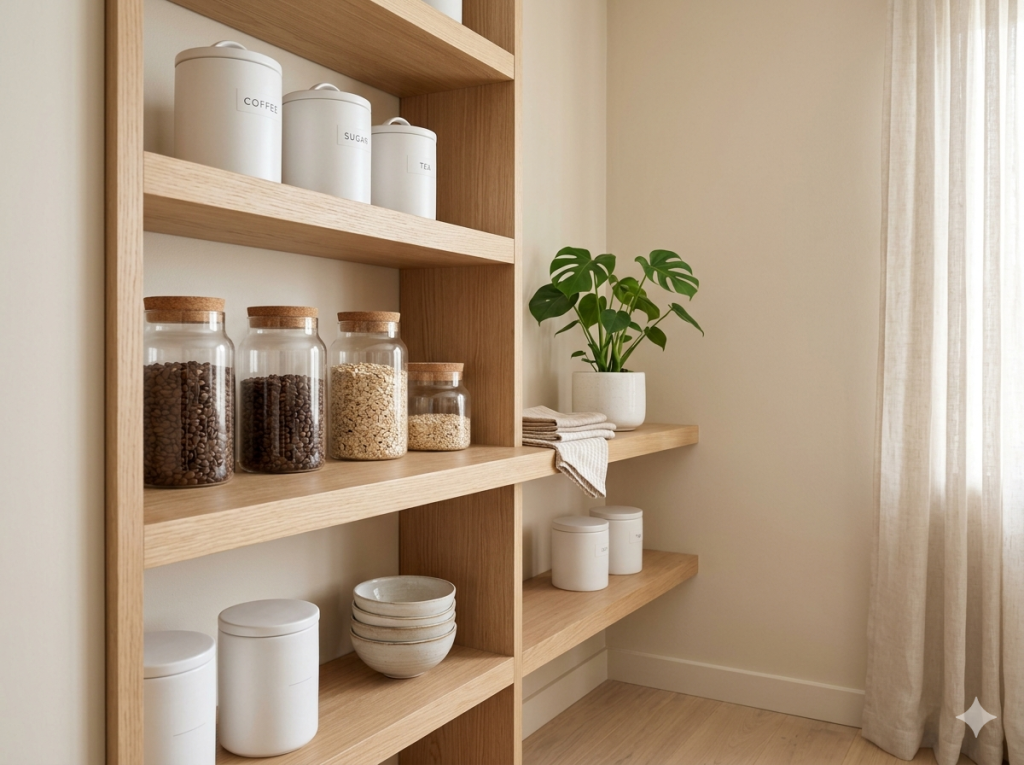
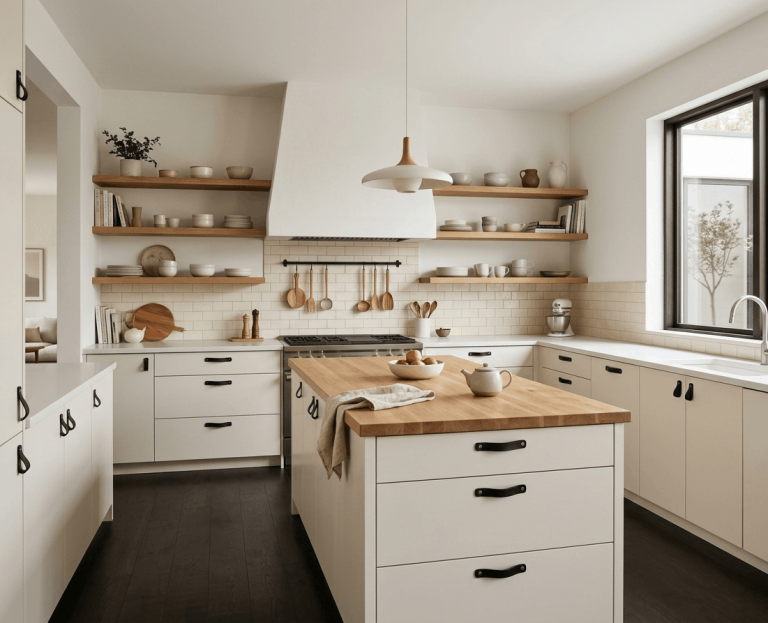
Sometimes the best cabinet is no door at all. Open pantry shelving cabinets remove barriers so everything is visible and within reach. This style forces you to stay organized but rewards you with a beautiful display.
Use deep, sturdy shelves at least 12 inches deep for dinner plates or cereal boxes. Add matching baskets for ugly packaging (like chip bags or instant noodles). Place your prettiest items matching cannisters, olive oil cruets, colorful cookware on eye-level shelves. The key is grouping by color or category for a curated look.
Tips
- Limit shelf depth to 14 inches so items don’t get lost in the back.
- Dust open shelves weekly with a microfiber cloth.
- Use shelf dividers for upright baking sheets and cutting boards.
8: Appliance Garage Pantry Cabinet

Countertop appliances eat up valuable space. An appliance garage pantry cabinet hides your toaster, mixer, or coffee maker while keeping them plugged in and ready. It’s typically a low cabinet with a roll-up or lift-up door installed directly on the countertop.
Inside, add a power strip so multiple appliances stay plugged. Use a rollout shelf to pull heavy mixers forward. The door hides the visual clutter instantly. For a high-end look, match the cabinet finish to your surrounding kitchen cabinets. You can even add a small interior light.
Tips
- Ventilate the cabinet with a small grille or leave a gap to prevent heat buildup.
- Measure appliance heights before installing toasters need less clearance than blenders.
- Store frequently used appliances (coffee maker, toaster) in the garage, not rarely used ones.
9: Hidden Door Pantry Cabinet

For a wow factor, install a pantry cabinet that disappears into the wall. A hidden door pantry uses flush-mounted cabinet fronts or floor-to-ceiling panels that blend with adjacent walls. You can even use a mirror, chalkboard, or artwork as the door.
When closed, it looks like part of the architecture. When opened, you reveal a deep storage space. This works exceptionally well in small kitchens where you want to reduce visual mass. Use a push-to-open mechanism or a discreet finger pull so nothing gives away the secret.
Tips
- Install magnetic latches so the hidden door stays securely shut.
- Paint the pantry interior a bright white to maximize visibility when open.
- Use shallow shelves on the door itself for spice jars or seasoning packets.
10: Pull-Down Pantry Shelf Cabinet

Not everyone can reach the top shelf. A pull down pantry shelf cabinet solves this with a mechanical arm that lowers high storage to counter level. This is a game changer for small kitchens with high ceilings or for people with mobility challenges.
The shelf mounts inside a standard cabinet and glides down smoothly when you pull a handle. Load it with heavy items like canned beans or large oil bottles. When you’re done, push it back up and shut the door. You’ll use your highest storage space without frustration.
Tips
- Install the pull-down mechanism on a dedicated cabinet, not a mixed-use one.
- Test weight limits most systems hold 50-75 pounds safely.
- Store rarely-used but heavy items like a cast iron pan or holiday baking tins.
11: Rolling Cart Pantry Cabinet
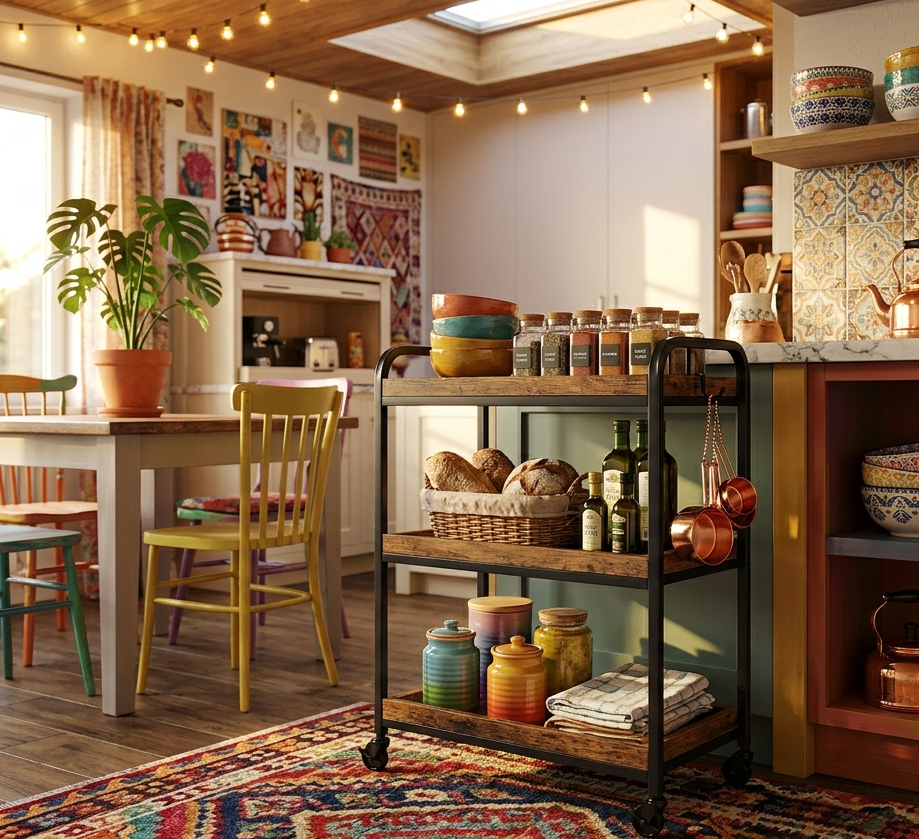
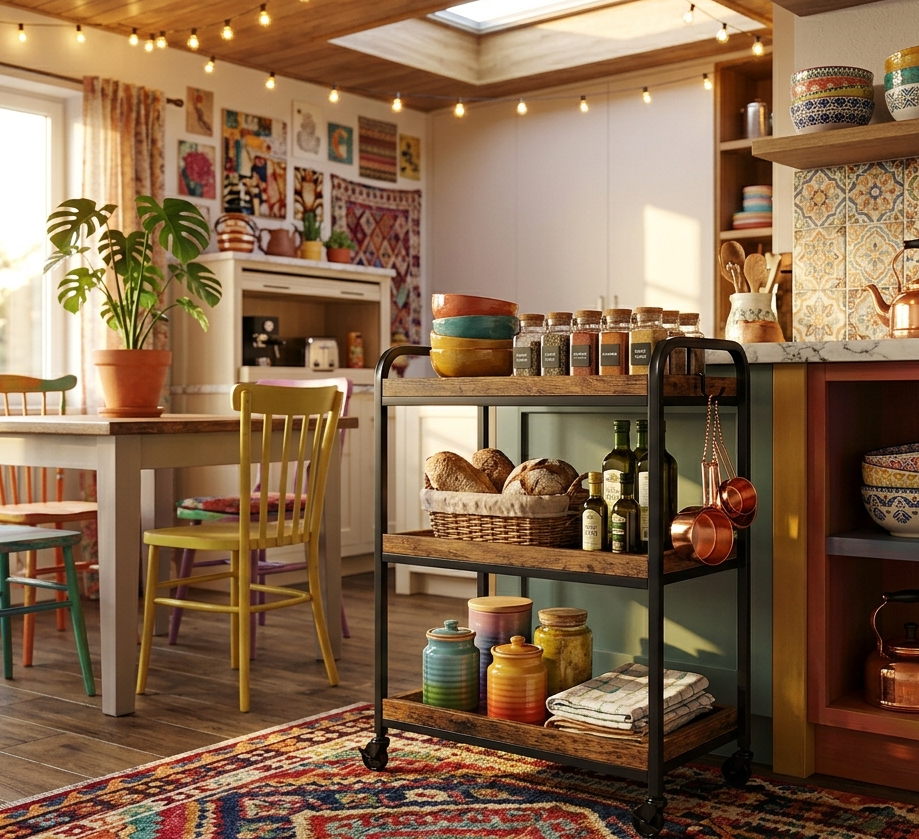
Need flexibility? A rolling cart pantry cabinet is a mobile storage solution that tucks into any gap. Roll it out for cooking, then push it back into a corner or between appliances. These work beautifully in tiny homes, apartments, or as extra holiday prep space.
Choose a sturdy metal or wood cart with locking casters. Look for multiple shelves—wire for visibility, solid wood for durability. You can customize it with S-hooks for mugs, a towel bar for dishcloths, or a cutting board top. When not in use, it hides beside the fridge or under a window.
Tips
- Add a power strip to the cart to charge small appliances while parked.
- Use clear bins on each shelf to prevent items from rolling off during movement.
- Lock wheels before pulling heavy items from lower shelves.
12: Wall-Mounted Pantry Cabinet
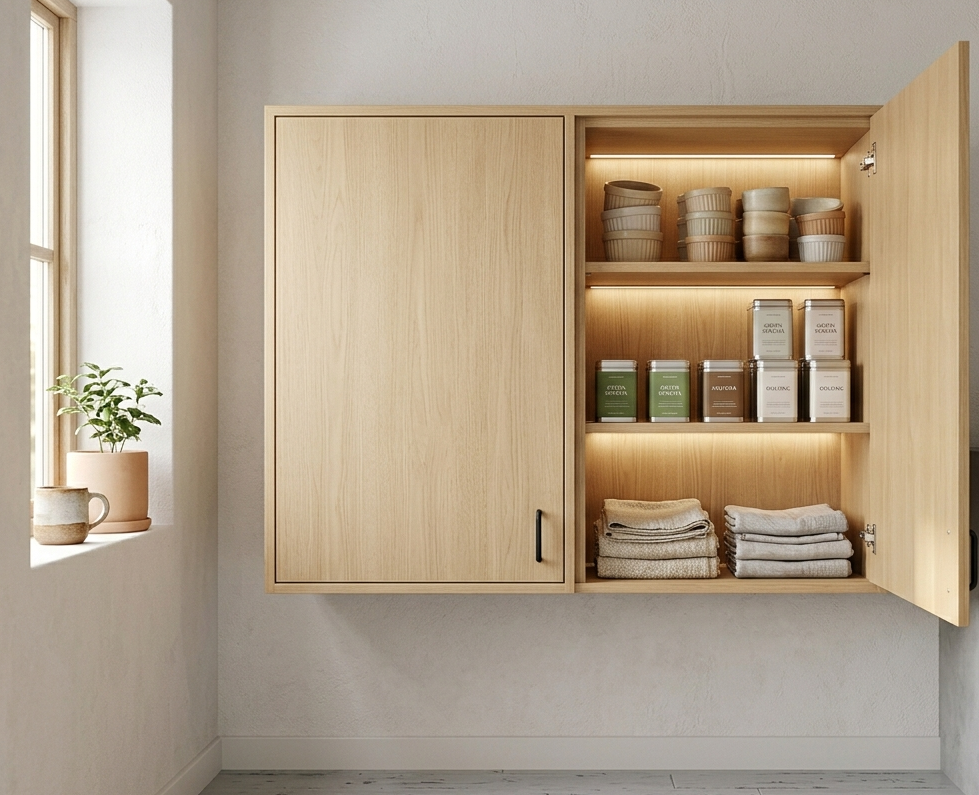
Free up floor space with a wall-mounted floating pantry cabinet. These cabinets attach directly to wall studs, leaving the floor clear for sweeping or recycling bins. They’re perfect for mudrooms, laundry rooms, or kitchens with limited footprint.
Because they float, you can install them at custom heights lower for kids’ snacks, higher for adult baking supplies. Use deep cabinets (12-15 inches) for cereal boxes and bulk bags. The open space underneath becomes prime real estate for a small trash can or pet bowls.
Tips
- Secure cabinets into studs or use heavy duty toggle bolts rated for 100+ pounds.
- Paint the back wall a contrasting color so open doors reveal a pop of shade.
- Install under-cabinet lighting on the bottom for task illumination.
13: Two-Tone Pantry Cabinet
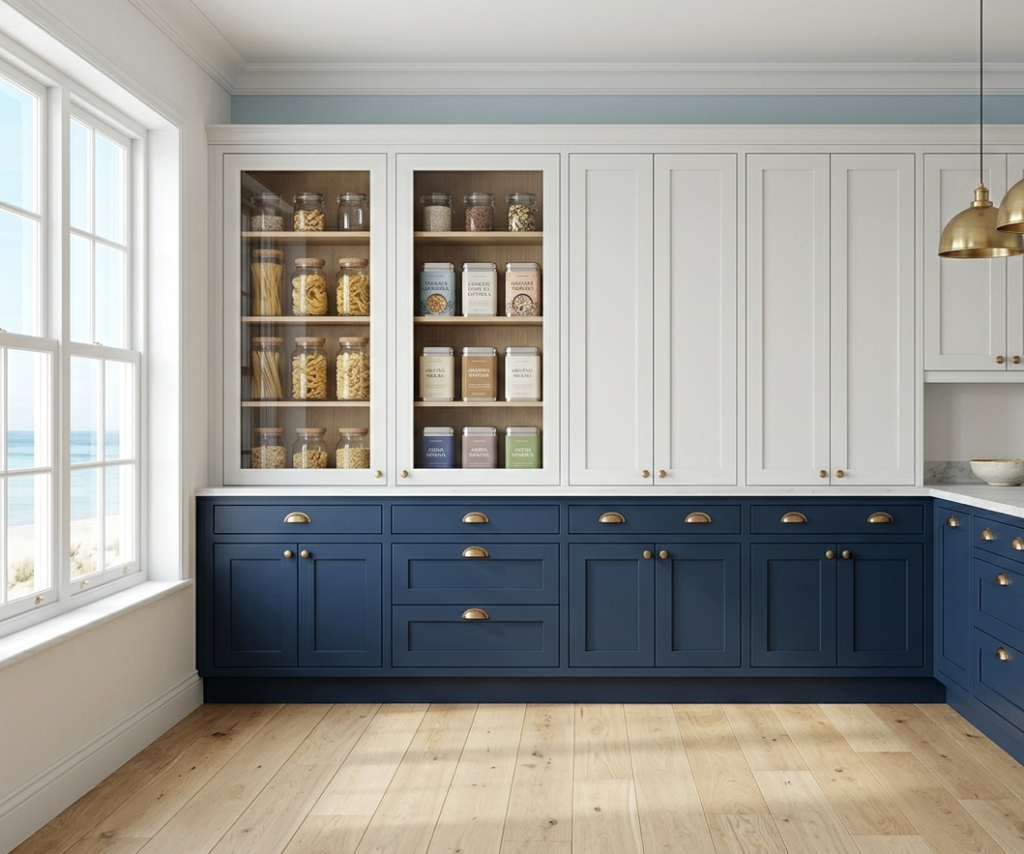
Why settle for one color? Two-tone pantry cabinets add visual interest while helping you zone your storage. Use a darker shade on lower cabinets to anchor the room and a lighter shade up top to keep things airy.
Paint the lower half navy, charcoal, or forest green to hide fingerprints and spills. Upper half stays white or cream for brightness. You can also reverse the scheme light on bottom, dark on top for a dramatic effect. Inside, keep shelving uniform so the exterior color is the only difference.
Tips
- Match the darker color to an existing kitchen element (island base, range hood, or backsplash).
- Use the same hardware finish throughout to unify the look.
- Paint cabinet interiors white regardless of exterior color it’s brighter for finding items.
14: Drawer-Based Pantry Cabinet
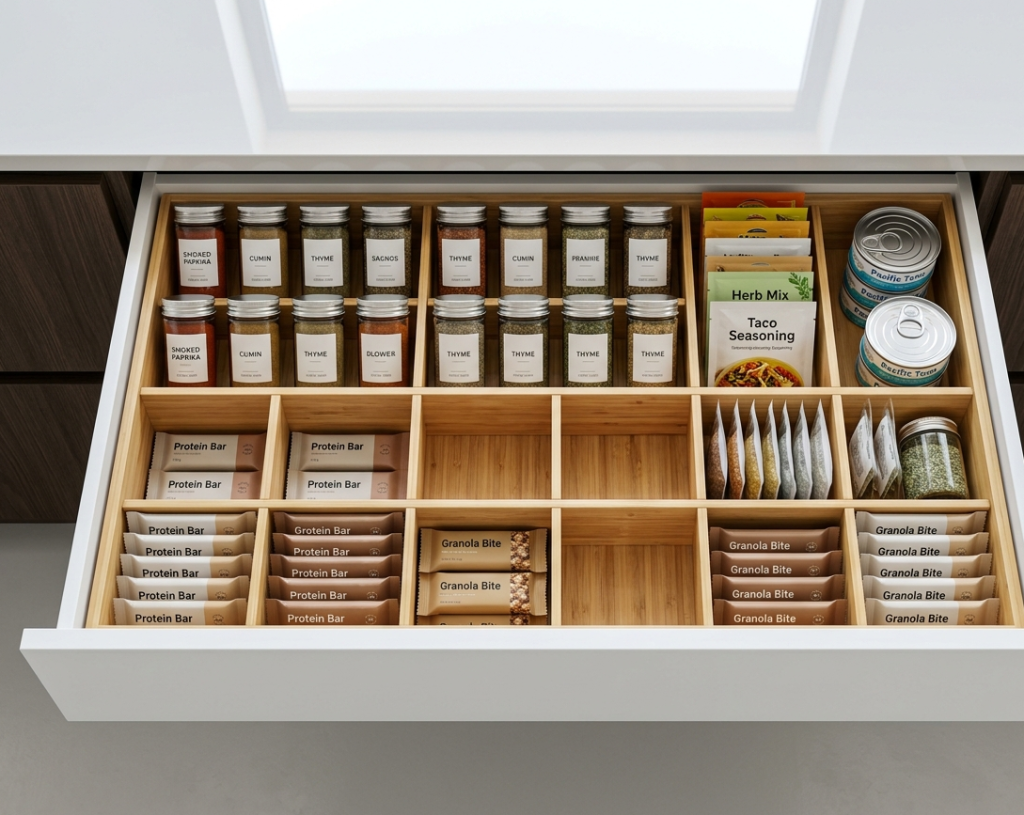
Replace traditional shelving with deep, full-extension drawers. A drawer-based pantry cabinet is the ultimate organization hack every item slides out like a filing cabinet. No more crouching or digging through dark shelves.
Use wide, shallow drawers (8-10 inches deep) for cans and jars so you can see everything from above. Deeper drawers (15 inches) hold small appliances or bulk bags. Label each drawer front with a category: baking, breakfast, snacks, canned goods. The key is measuring your items before ordering custom drawer heights.
Tips
- Install drawer dividers to keep tall bottles from tipping over.
- Use pegboards inside the drawer base for adjustable compartment sizes.
- Choose soft-close undermount slides for smooth operation and full access.
Conclusion
Your kitchen deserves better than crammed cabinets and lost groceries. Whether you choose a space-saving pull-out unit, a show-stopping glass-front design, or a clever hidden pantry, the right cabinet ideas make daily cooking smoother and more joyful. Start with one change maybe swapping a lazy susan into that useless corner and build from there. Which pantry cabinet idea will you try first? Let me know in the comments below!
FAQs
What is the most efficient pantry cabinet design?
The most efficient design is a combination of pull-out drawers and adjustable shelving. Full-extension drawers give you complete visibility and access, while adjustable shelves let you customize heights for tall cereal boxes or short cans. A floor-to-ceiling unit with a mix of both beats any single type.
How deep should pantry cabinets be?
Standard pantry cabinets are 12 to 15 inches deep for upper cabinets and 21 to 24 inches deep for base cabinets. For pull-out pantries, 12 inches is usually enough. Deeper than 24 inches makes items get lost in the back unless you use pull-out trays or sliding shelves.
Can I add a pantry cabinet without remodeling?
Absolutely. Freestanding pantry cabinets, rolling carts, armoires, and wall-mounted units all require no construction. Measure your available space first, then shop for units that fit standard dimensions. For a built-in look, add trim or molding to a freestanding piece.