21 Potential Storage Spaces You’re Overlooking
Do you feel like your home is bursting at the seams, yet you still can’t find a place for everything? You’re not alone. Most of us focus on the obvious storage spots closets, cabinets, and drawers while completely ignoring the hidden pockets of space all around us. The truth is, your home is full of untapped storage potential, from the back of doors to the space under your stairs. These overlooked areas can be transformed into functional, organized storage with just a little creativity. The best part? You don’t need a renovation or a bigger house. This guide will show you 21 potential storage spaces you’re probably overlooking, along with practical tips to turn them into valuable, clutter-busting zones.
1: The Back of Doors

The back of every door in your home is prime, unused real estate. Over-the-door racks, hooks, and pocket organizers can hold everything from cleaning supplies and pantry items to jewelry and accessories . They’re affordable, easy to install, and instantly add storage without taking up any floor or shelf space.
Tips
- Use clear pocket organizers for small items like craft supplies
- Install over-the-door hooks for robes, towels, or coats
- Choose rust-resistant metal racks for bathroom or pantry doors
2: Under the Stairs

That awkward triangular space under your staircase is a goldmine of potential storage. Turn it into a built-in bookshelf, a cozy reading nook with hidden storage, a small home office, or even a pull-out pantry . Custom shelves or a simple cabinet system can transform this overlooked area into one of the most functional spots in your home.
Tips
- Measure the height and depth carefully before planning
- Install custom shelving that follows the staircase angle
- Add a door or curtain for a clean, hidden look
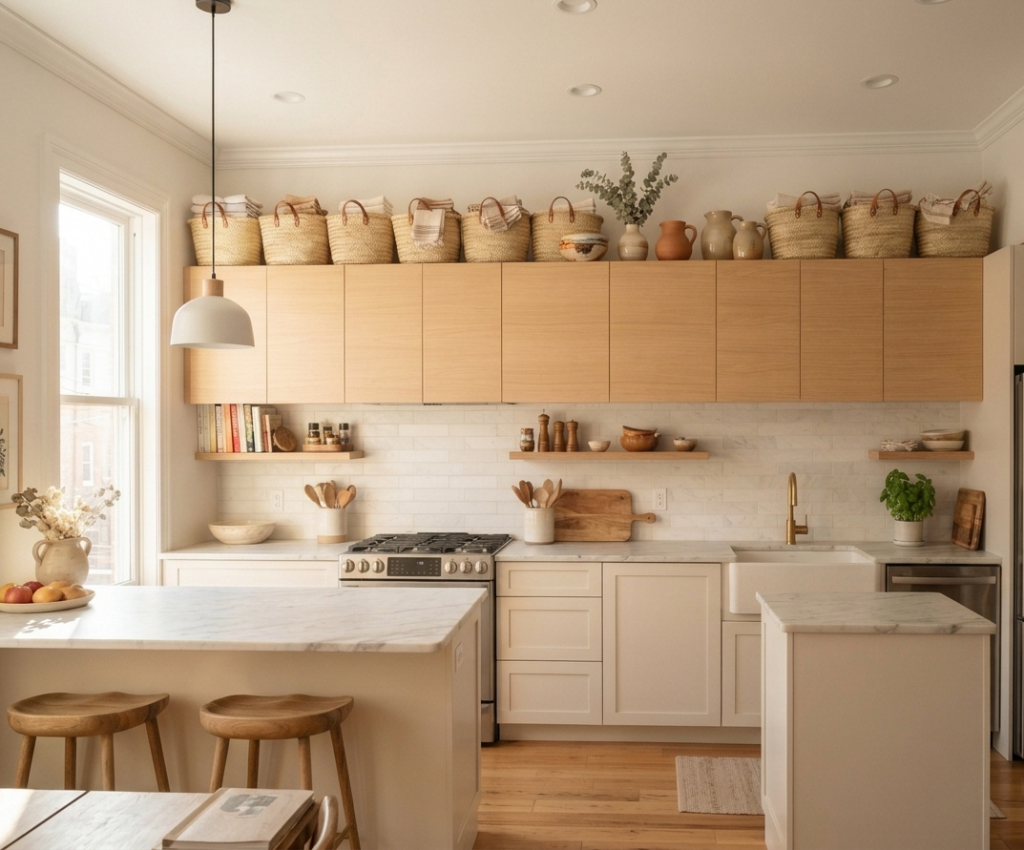
3: Above Kitchen Cabinets
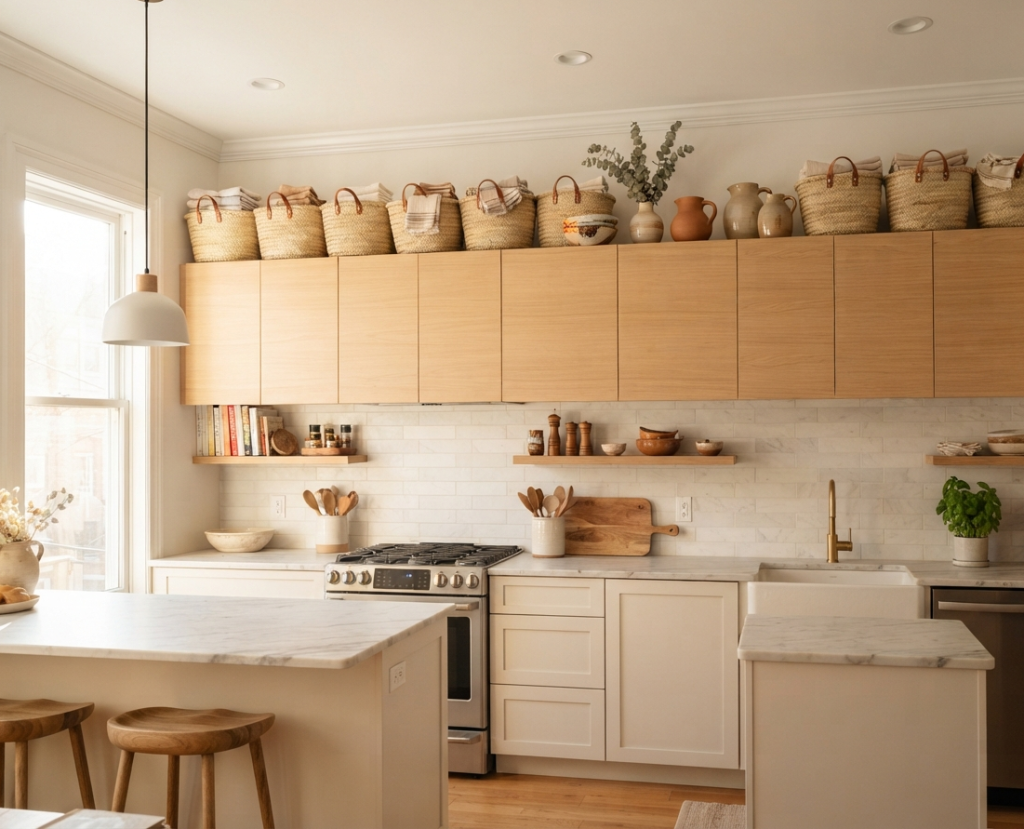
The space between your kitchen cabinets and the ceiling is often a forgotten dust collector. But with some attractive baskets or display pieces, it becomes valuable storage . Use it for items you don’t need daily like holiday serveware, large platters, or even cookbooks. Just make sure items are easy to reach with a step stool.
Tips
- Use matching baskets for a clean, cohesive look
- Store lightweight items to make retrieval easier
- Keep it dust-free with regular cleaning
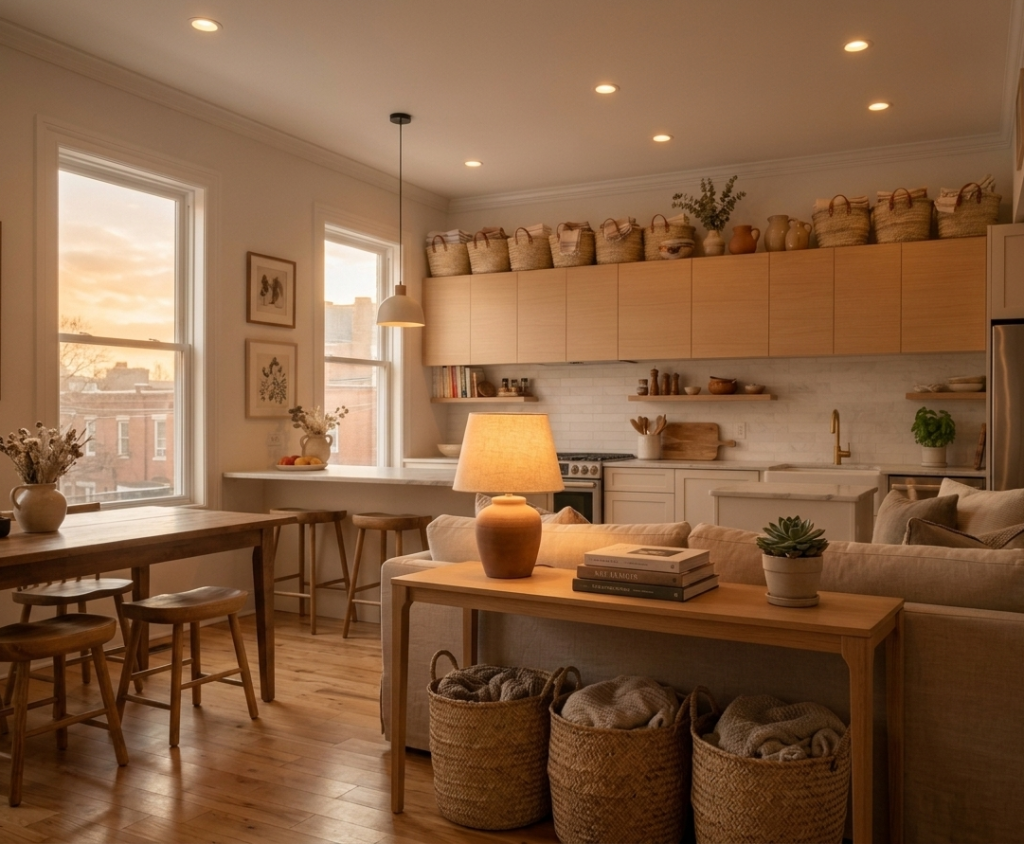
4: Behind the Sofa
That narrow strip of floor between your sofa and the wall is often wasted space. But a slim console table or a custom-built shelf behind the sofa can hold books, lamps, baskets for remotes, and even serve as a stylish display surface . It’s functional, adds visual interest, and makes use of an otherwise forgotten spot.
Tips
- Choose a table that’s the same height or slightly lower than your sofa
- Use baskets underneath for extra hidden storage
- Add a lamp for both task and ambient lighting
5: Toe-Kick Space Under Cabinets
The recessed space under your kitchen or bathroom cabinets known as the toe-kick can be transformed into clever, hidden storage . Install shallow drawers that slide out to hold flat items like baking sheets in the kitchen or step stools in the bathroom. It’s unexpected, ingenious, and uses space that would otherwise collect dust.
Tips
- Hire a carpenter for custom toe-kick drawers
- Use them for flat, rarely used items
- Add a push-to-open mechanism for a seamless look
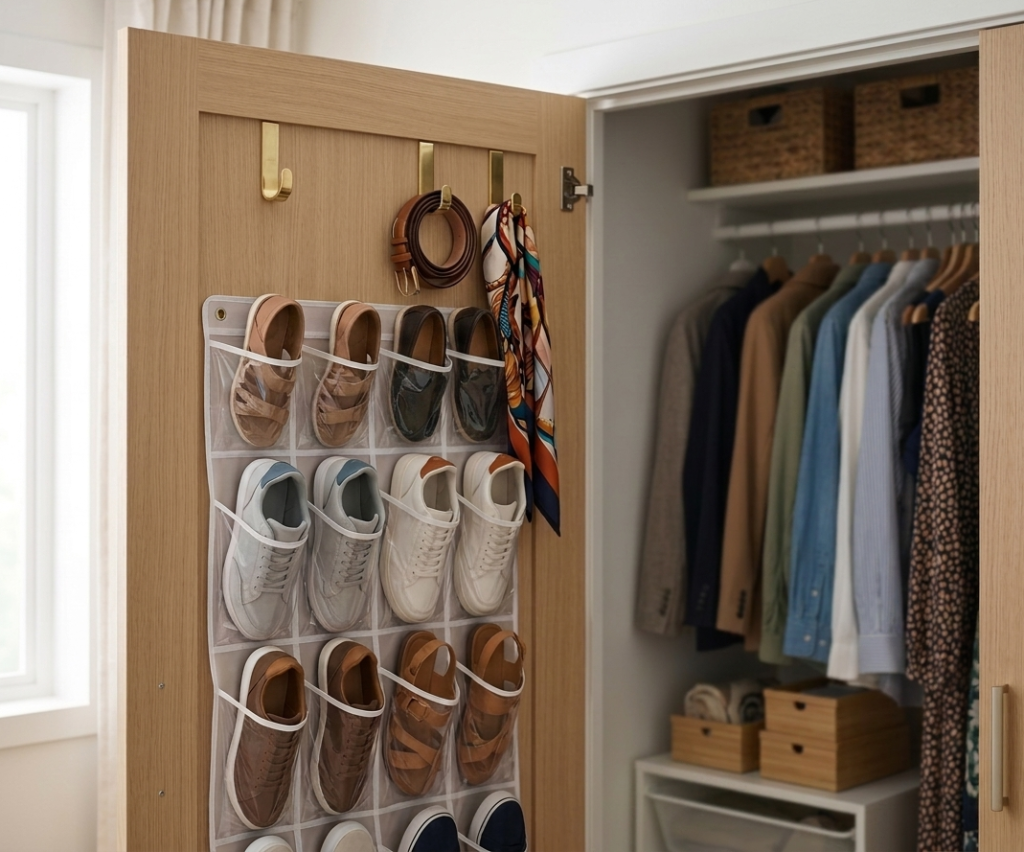
6: Inside the Closet Door
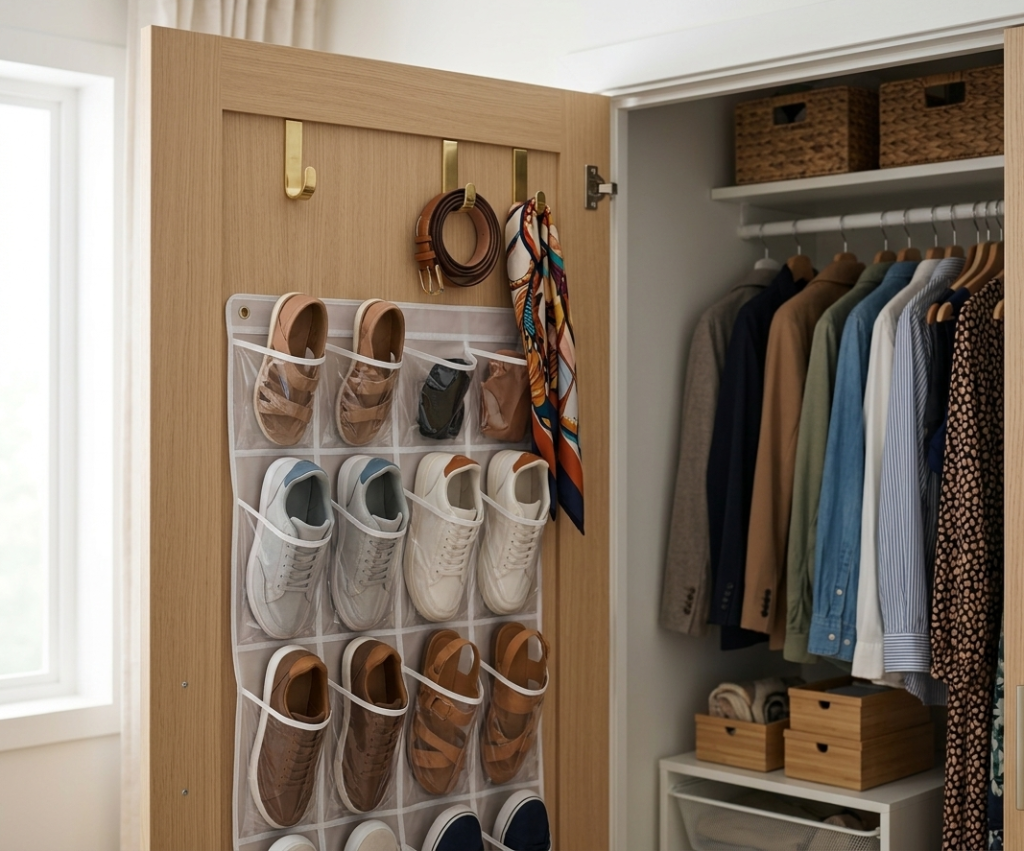
Inside your closet door is another hidden gem. Mount a shoe rack, hooks for belts and ties, or a small jewelry organizer to the inside of the door . This instantly adds storage without reducing hanging space. It keeps accessories visible and accessible, making your morning routine smoother.
Tips
- Use an over-the-door shoe rack for lightweight shoes or accessories
- Install small adhesive hooks for necklaces or scarves
- Keep it organized to avoid a cluttered look
7: Under the Bed
Under-bed storage is a classic for a reason it works. Low-profile rolling bins or vacuum-sealed bags transform the space under your bed into a massive storage zone for out-of-season clothing, extra bedding, or even toys . It keeps items out of sight but easily accessible when needed.
Tips
- Use clear bins for visibility
- Choose vacuum-sealed bags for bulky items like comforters
- Label each bin for easy identification
8: Vertical Spaces in the Bathroom

Bathrooms often have unused vertical wall space above the toilet or beside the vanity. Install floating shelves, a small cabinet, or a ladder-style shelf to hold towels, toiletries, and baskets . This adds storage without taking up any floor space, making even the smallest bathroom feel more organized.
Tips
- Mount shelves above the toilet for a classic look
- Use baskets to group small items
- Keep frequently used items at eye level
9: The Space Above the Refrigerator

The top of the refrigerator is often a clutter zone, but it can be smart, attractive storage. Use it for infrequently used items like large serving platters, mixing bowls, or small appliances . Place them in a decorative tray or basket to keep the space looking tidy and intentional.
Tips
- Use the space for appliances you use less than once a month
- Clean the area regularly to prevent dust buildup
- Add a small shelf for even more storage
10: The Base of the Bathtub

The area around the base of a freestanding bathtub is often wasted space. But you can add a narrow shelf or a small caddy that fits around the tub’s base to hold towels, bath salts, and candles . It adds a spa-like feel while keeping essentials within arm’s reach.
Tips
- Choose a waterproof, moisture-resistant material
- Use it for bath-time essentials
- Keep it minimal to avoid clutter
11: The Gap Between Applianc

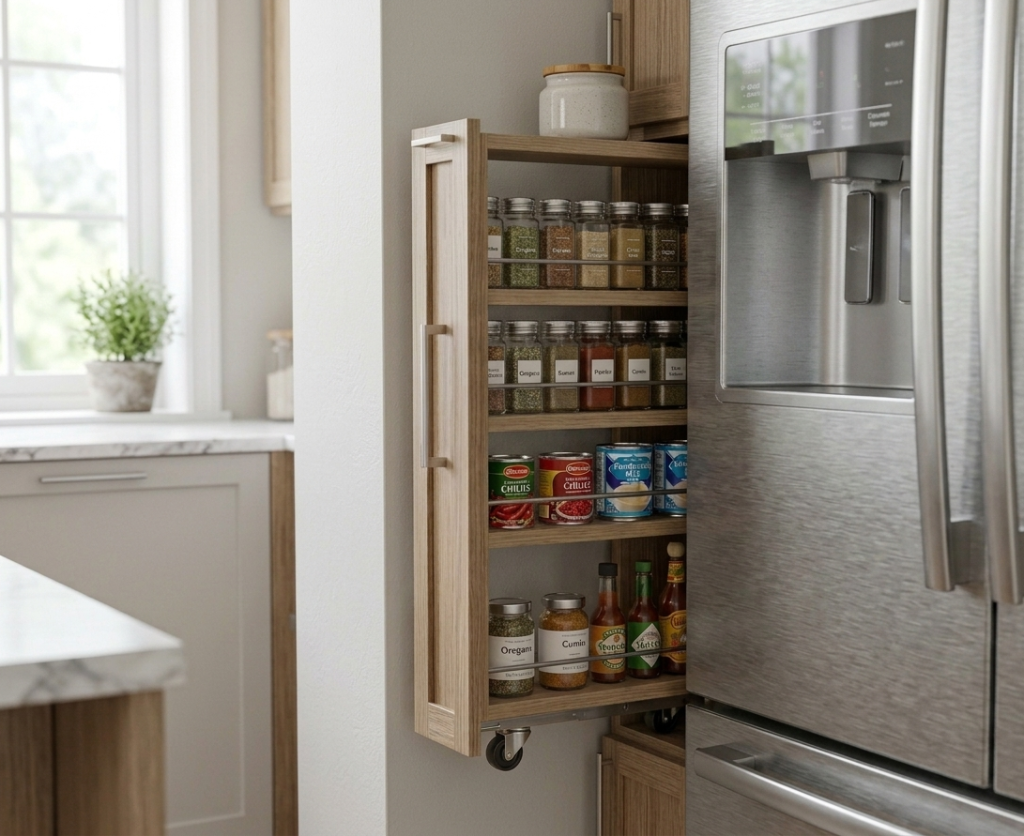
The narrow gap between your refrigerator and the wall or cabinets is a potential storage space for slim items. A slide-out pantry or a narrow rolling cart fits perfectly in this gap, holding spices, canned goods, or cleaning supplies . It’s like a secret pantry you never knew you had.
Tips
- Measure the gap width carefully before buying
- Use a slim, wheeled cart for easy access
- Store items you use regularly for maximum efficiency
12: Window Sills
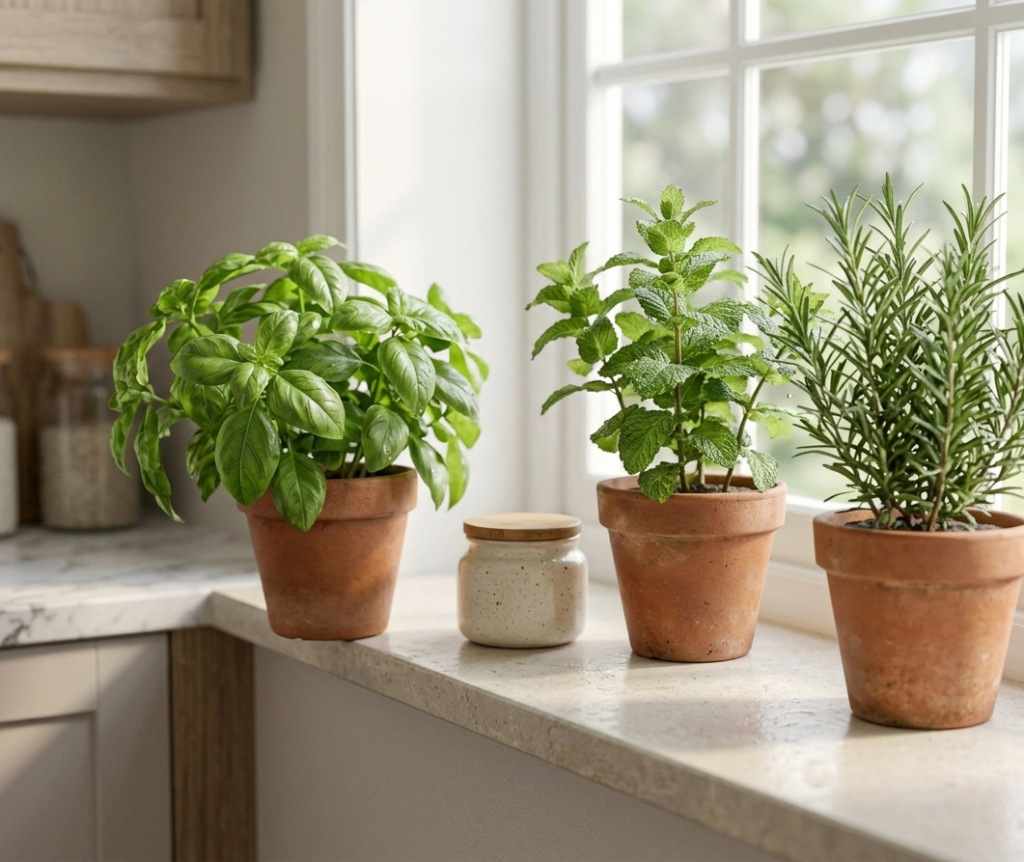
Window sills are often underutilized. Use them to display small decorative items, plants, or even a charging station . In the kitchen, a sunny windowsill can hold fresh herbs. Keep it tidy and intentional to add charm and function to any room.
Tips
- Choose items that don’t block the window or natural light
- Use a small tray to group items for a cohesive look
- Keep it simple to avoid clutter
13: Corners of Rooms
Corners are notoriously neglected in every room. But a corner shelf unit, a tall plant stand, a cozy reading chair with storage, or a corner desk can make use of this often-wasted space . It adds function and visual interest while keeping the room feeling complete.
Tips
- Use a corner shelf to display books or decorative items
- Add a basket in the corner for blankets or toys
- Choose a corner desk for a small home office setup
14: Under the Sink

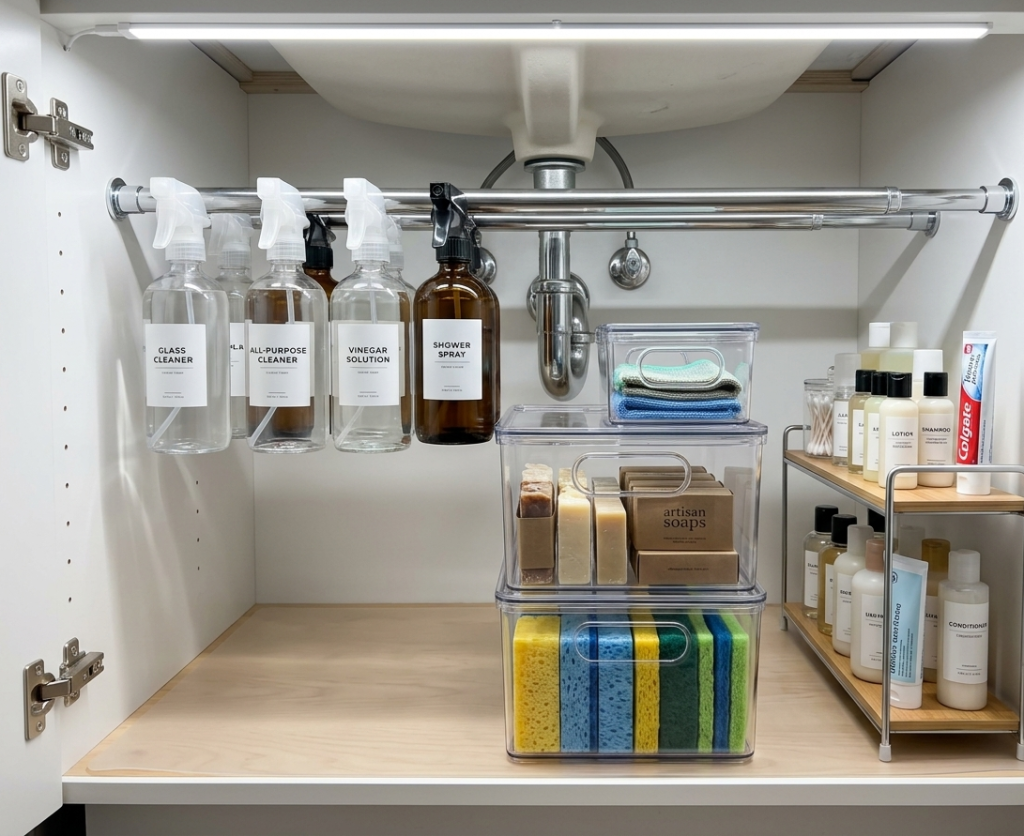
Under the kitchen or bathroom sink is often a chaotic mess. But with a few organizing tools, it becomes a functional storage zone for cleaning supplies, toiletries, and extra sponges . Use stackable bins, tension rods, and hooks on the cabinet door to maximize every inch.
Tips
- Use a tension rod to hang spray bottles
- Place a small shelf over the plumbing for tiered storage
- Use a drip tray under cleaning products
15: The Space Beside the Washing Machine
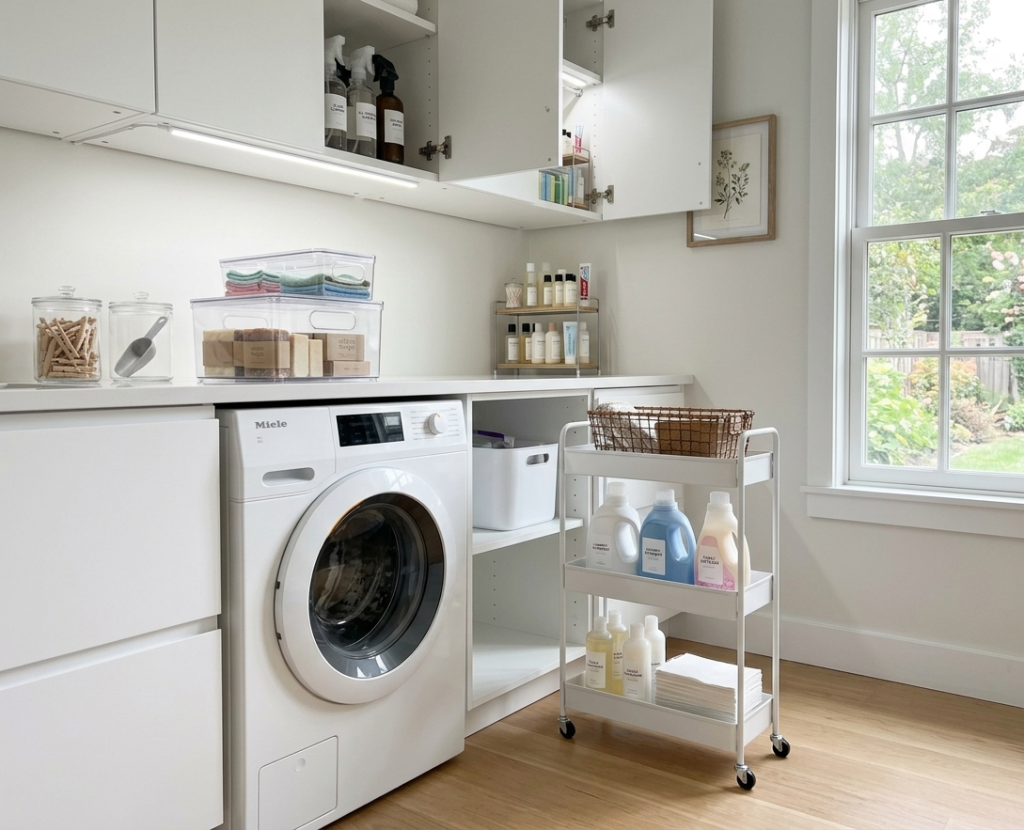
The narrow space beside your washing machine or dryer is ideal for a slim storage cart or wall-mounted shelves . Use it to hold detergent, dryer sheets, stain removers, and laundry baskets. It keeps your laundry area organized and functional without taking up extra floor space.
Tips
- Measure the width and depth of the space
- Use a wheeled cart for easy access
- Store bulk items in large, labeled containers
16: The Garage Ceiling
Garages offer massive vertical potential. Install overhead racks, ceiling-mounted shelves, or pulley systems to store large, bulky items like storage bins, seasonal decorations, bicycles, and camping gear . This clears floor space for your car and makes the garage feel more organized.
Tips
- Ensure the rack is securely anchored into ceiling joists
- Use it for infrequently used, heavy items
- Label each bin for easy identification
17: Behind the Bed Headboard

The space behind your bed’s headboard can be more than just a gap. Install a narrow shelf along the top or use the headboard itself as storage with built-in shelves . This holds books, glasses, or decorative items, keeping your nightstand clear and adding functionality to the bed.
Tips
- Choose a headboard with built-in shelves
- Use the space for daily essentials
- Keep it tidy for a peaceful sleeping environment
18: The Wall in the Entryway

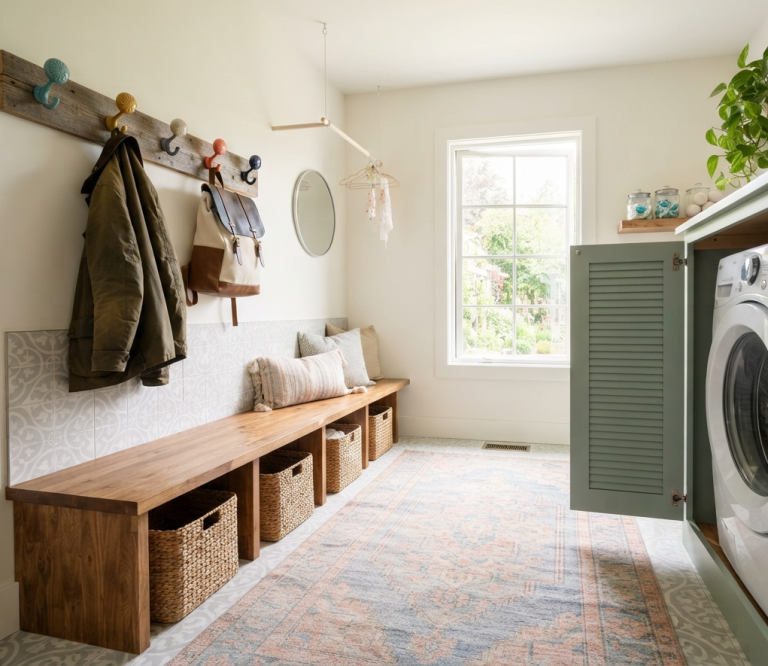
Entryways often become dumping grounds. A wall with hooks, a shoe rack, a small bench with storage, and a shelf can turn this space into a fully functional drop zone . It keeps shoes, coats, bags, and mail organized and off the floor, creating a welcoming first impression.
Tips
- Add a small tray for keys and mail
- Include a mirror for last-minute checks
- Use a bench with hidden storage for shoes
19: The Side of Furniture
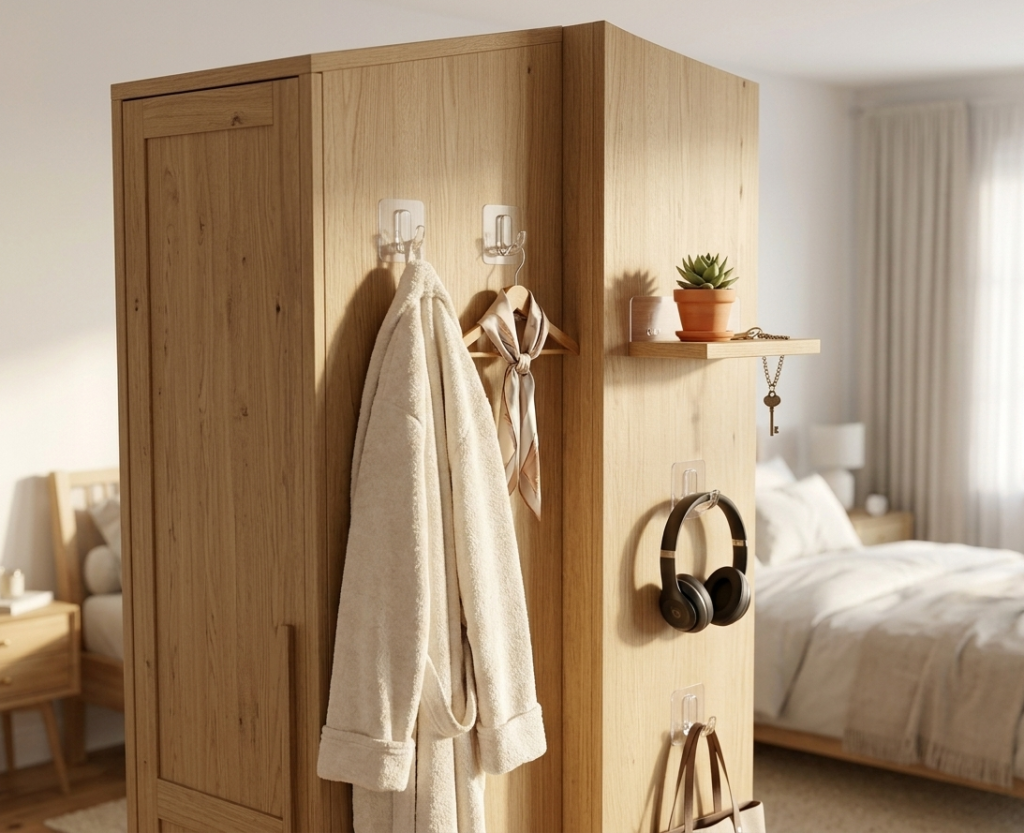
The side of a tall cabinet, wardrobe, or bookshelf is a blank canvas for storage. Install adhesive hooks for bags, small shelves for books, or magnetic strips for metal items . It’s a clever way to add function without any floor footprint.
Tips
- Use the side of a wardrobe for jewelry or scarves
- Mount small shelves on the side of a desk
- Keep it lightweight to avoid tipping the furniture
20: The Edge of a Countertop

The edge of your kitchen or bathroom countertop is perfect for a small organizer. Use a tiered stand, a small utensil crock, or a narrow spice rack on the edge to keep frequently used items within reach . It adds storage without taking up much counter space.
Tips
- Use the edge for items you use daily
- Choose compact, vertical organizers
- Keep it clean and clutter-free
21: The Ceiling in Bedrooms or Playrooms

The ceiling is the ultimate hidden storage space for items you rarely need. Install overhead shelves or storage systems to store extra linens, seasonal decorations, or suitcases . In children’s rooms, a ceiling-mounted hammock or net can hold stuffed animals, freeing up floor space.
Tips
- Use sturdy, secure fixtures to prevent accidents
- Store only lightweight items on ceiling shelves
- Use netting or hammocks for soft, light toys
Conclusion
Your home is full of hidden storage potential you just have to know where to look. From the back of doors to the ceiling, these 21 overlooked spaces can be transformed into functional, organized zones that help you declutter without a major renovation. The key is creativity: think vertically, use every nook and cranny, and choose solutions that work for your specific space and needs. Start with one or two areas this week maybe the back of a door or under the stairs and watch how much you can free up your main living spaces. Your home has more storage than you think. Happy organizing!
FAQs
What are the most overlooked storage spaces in a home?
The back of doors, under stairs, above cabinets, and toe-kick spaces are among the most overlooked storage areas. Also, window sills, corners, and the sides of furniture are often ignored.
How do I start using overlooked storage spaces?
Begin by walking through each room and identifying dead spaces—every corner, gap, and vertical surface. Then, measure the space and think about the items you need to store. Choose solutions like shelves, hooks, or baskets that fit the space.
Are these storage ideas renter-friendly?
Most are! Over-the-door organizers, adhesive hooks, tension rods, and free-standing shelving are all renter-friendly options that don’t require drilling or permanent changes.
What should I avoid storing in these spaces?
Avoid storing heavy items in overhead spaces or on doors to prevent damage. Keep away from heat sources and moisture, and ensure items stored in these spaces are secure and won’t fall.
How do I keep these new storage spaces organized?
Label everything, return items to their designated spots, and do a quick monthly review to prevent clutter from building up again.